

Views: 0 Author: Site Editor Publish Time: 2025-09-09 Origin: Site


Ever wondered how air compressors power tools and inflate tires? These versatile machines compress air for various tasks. Understanding their types and uses is crucial for selecting the right one. In this guide, you'll learn about different air compressors, their workings, and importance in industries and homes.
Air compressors come in various types, each designed to meet specific needs and applications. Understanding these types will help you select the right air compressor for your tasks, whether it's for home use, industrial work, or specialized applications like car painting or sandblasting.
Piston compressors, also known as reciprocating compressors, use a piston driven by a crankshaft to compress air inside a cylinder. They are among the most common and affordable types.
How they work: The piston moves up and down, drawing in air and compressing it into a storage tank.
Best for: Intermittent use such as inflating bike tires, car tires, or powering air tools like framing nailers and brad nailers.
Advantages: Simple design, easy maintenance, and cost-effective.
Disadvantages: Noisy operation and limited duty cycle; not ideal for continuous use.
Piston compressors are popular for home use and small workshops, especially when you need an air compressor for cleaning dust or a small air compressor for sprinkler systems.
Rotary screw compressors use two meshing helical screws to compress air continuously.
How they work: Air is trapped between the screws and compressed as they rotate.
Best for: Industrial applications requiring a steady, continuous air supply, such as sandblasting or powering pneumatic tools in manufacturing.
Advantages: Quiet operation, high efficiency, and capable of running 24/7.
Disadvantages: Higher initial cost compared to piston compressors.
These compressors are excellent when you need an air compressor for car painting or large-scale air compressor for air tools.
Diaphragm compressors compress air by flexing a diaphragm, separating the air from the oil or lubricant.
How they work: The diaphragm moves back and forth, compressing air without contamination.
Best for: Applications requiring clean, oil-free air such as medical equipment or electronics.
Advantages: Oil-free operation, low maintenance.
Disadvantages: Lower capacity and pressure compared to piston or rotary compressors.
If you're looking for an air compressor for PC or sensitive equipment, diaphragm compressors are a good choice.
Vane compressors use a rotor with sliding vanes inside a cavity to compress air.
How they work: As the rotor spins, the vanes slide in and out, trapping and compressing air.
Best for: Medium-duty applications like powering pneumatic tools or cleaning.
Advantages: Smooth operation, compact size.
Disadvantages: Less efficient at high pressures.
They’re suitable for tasks where you need an air compressor for cleaning or light pneumatic tools.
Tip: When choosing an air compressor, consider your specific use case—whether it’s inflating truck tires, running a framing nailer, or painting a car—to select the type that matches your duty cycle and air quality needs.
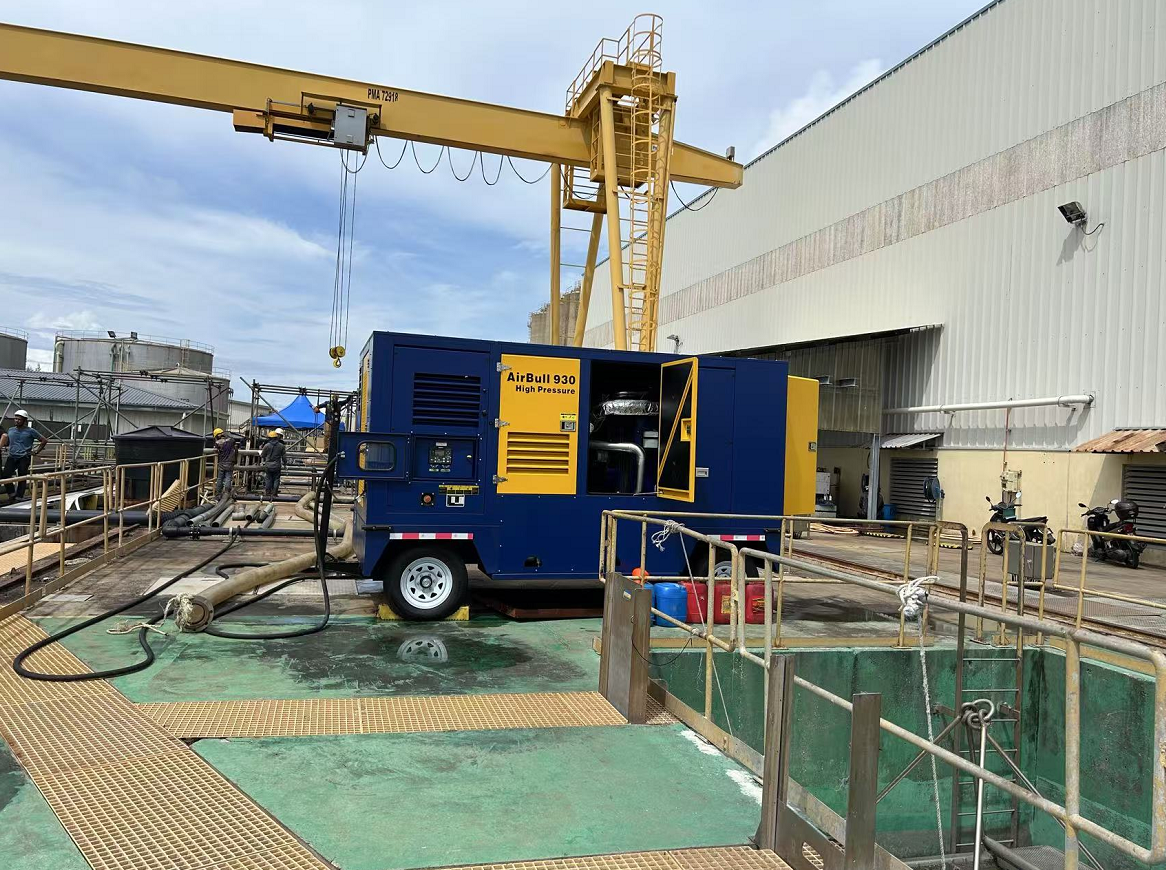
Piston air compressors, also known as reciprocating compressors, are among the most popular types used by beginners and professionals alike. They are well-suited for various tasks, especially when intermittent use is needed.
A piston air compressor works by using a piston inside a cylinder to compress air. The piston moves up and down, pulling air in during the downstroke and compressing it on the upstroke. This compressed air is then pushed into a storage tank, ready for use. The process is powered by a motor connected to a crankshaft that moves the piston.
This design makes piston compressors straightforward and easy to understand. They typically operate in single-stage or two-stage configurations, with two-stage models providing higher pressure suitable for more demanding tasks.
Advantages:
Simple design: Easy to operate and maintain.
Cost-effective: Generally less expensive than other compressor types.
Versatile: Suitable for many applications, from inflating bike tires to powering pneumatic tools.
Portable options: Many models are compact and easy to move around.
Disadvantages:
Noisy operation: They tend to produce more noise compared to rotary screw compressors.
Limited duty cycle: Designed for intermittent use; running them continuously can cause overheating.
Oil presence: Oil-lubricated piston compressors may release oil into the compressed air, which can be problematic for sensitive tools or painting.
Vibration: The reciprocating motion can cause vibrations, requiring secure placement.
Piston compressors are ideal for tasks that don’t require continuous air supply. Common uses include:
Air compressor for bike tires and car tires: Quick and efficient inflation.
Air compressor for framing nailer and brad nailer: Powering pneumatic nail guns in construction.
Air compressor for air tools: Suitable for many handheld pneumatic tools.
Air compressor for cleaning dust and general cleaning: Blowing away dust in workshops.
Air compressor for sprinkler system: Providing air pressure for irrigation setups.
Air compressor for home use: Great for DIY projects and occasional tasks.
However, they are less suited for heavy-duty industrial applications like sandblasting or continuous car painting jobs, where rotary screw compressors perform better.
Rotary screw compressors are a popular choice for users who need a reliable and continuous supply of compressed air. Unlike piston compressors, which work in bursts, rotary screw compressors operate smoothly and quietly, making them ideal for demanding environments.
These compressors use two interlocking helical screws, known as rotors, to compress air. As the rotors turn, they trap air between the screws and reduce its volume, increasing the pressure. This continuous rotary motion allows the compressor to deliver a steady flow of air without pulsation.
The compressed air is then cooled and sent to a storage tank or directly to the tools or equipment. Many rotary screw compressors come with built-in cooling systems and air dryers to maintain optimal performance and protect sensitive applications such as air compressor for car painting or air compressor for pneumatic tools.
Benefits:
Continuous operation: They can run 24/7 without overheating, perfect for industrial settings.
Quiet and smooth: Less noise and vibration compared to piston compressors, improving workplace comfort.
Energy efficient: Especially models with variable speed drives (VSD) that adjust power based on demand, saving energy.
Low maintenance: Fewer moving parts reduce wear and tear.
Clean air output: Ideal for applications requiring high air quality, such as painting and sandblasting.
Limitations:
Higher upfront cost: More expensive to purchase than piston compressors.
Complex repair: Repairs can be more technical and costly.
Size: Generally larger and less portable than piston compressors.
Rotary screw compressors shine in applications where a steady, uninterrupted air supply is essential. Some typical uses include:
Air compressor for car painting: Provides a consistent, clean airflow to achieve smooth paint finishes.
Air compressor for sandblasting: Delivers high volumes of air needed for abrasive blasting.
Air compressor for pneumatic tools: Powers tools continuously on manufacturing lines or construction sites.
Air compressor for home use: Larger homes with multiple air tool users may benefit from rotary screw compressors.
Air compressor for cleaning: Effective for continuous cleaning tasks in industrial or commercial environments.
Because they can handle long duty cycles, rotary screw compressors are often found in automotive shops, manufacturing plants, and large construction projects.
Selecting the perfect air compressor means matching it to your specific tasks and future plans. Since air compressors vary widely, understanding your application requirements, air flow, pressure needs, and potential expansion is key.
Start by identifying what you need the air compressor to do. Are you inflating bike tires or truck tires? Powering an air compressor for framing nailer or brad nailer? Or do you need an air compressor for car painting or sandblasting? Each use demands different features:
Air compressor for bike tires and car tires: Usually requires portable, lower-capacity compressors.
Air compressor for framing nailer and brad nailer: Needs quick bursts of air with moderate pressure.
Air compressor for car painting and painting: Requires clean, oil-free air with consistent pressure.
Air compressor for sandblasting: Demands high volume and continuous air flow.
Air compressor for sprinkler system: Typically low-pressure, intermittent use.
Air compressor for cleaning and cleaning dust: Useful for blowing away debris or dust in workshops.
Air compressor for pneumatic tools and air tools: Often needs steady air supply and specific pressure ratings.
Knowing your primary applications helps you decide between piston compressors (great for intermittent use) and rotary screw compressors (better for continuous operation).
Air flow is measured in cubic feet per minute (CFM), and pressure is measured in pounds per square inch (PSI). Different tasks require different levels:
| Application | Typical PSI Range | Typical CFM Range |
|---|---|---|
| Bike tires | 30-50 PSI | 1-3 CFM |
| Car tires | 30-60 PSI | 2-5 CFM |
| Framing nailer | 70-120 PSI | 2-4 CFM |
| Brad nailer | 70-90 PSI | 0.5-1 CFM |
| Car painting | 40-60 PSI | 4-6 CFM |
| Sandblasting | 90-120 PSI | 6-10+ CFM |
| Sprinkler system | 30-40 PSI | 1-2 CFM |
| Cleaning dust and debris | 60-90 PSI | 3-5 CFM |
| Pneumatic tools and air tools | 70-120 PSI | 4-8 CFM |
Ensure the compressor you choose can deliver the required PSI and CFM simultaneously. Oversizing slightly can prevent strain and improve longevity.
Think about your long-term needs. Will you add more tools? Increase production? If so, select a compressor with extra capacity or one that can be upgraded. For example, a rotary screw compressor with a variable speed drive (VSD) can adjust output as demand changes, saving energy and accommodating growth.
If your current need is an air compressor for home use or smaller tasks but you anticipate heavier use later, a modular system or a larger compressor might be a better investment.
Air compressors are incredibly versatile and find applications across many industries. Their ability to deliver compressed air makes them essential for powering tools, cleaning, painting, and more. Let’s explore how air compressors are used in industrial settings, automotive shops, and at home or for DIY projects.
In industrial environments, air compressors provide a reliable source of power for a wide range of equipment. Rotary screw compressors are often favored here due to their ability to run continuously and deliver steady airflow. Common industrial uses include:
Air compressor for sandblasting: High-pressure air is essential to propel abrasive materials for surface cleaning or preparation.
Air compressor for pneumatic tools: Factories rely on compressed air to power nail guns, drills, and assembly line machinery.
Air compressor for cleaning dust: Compressed air is used to clear dust and debris from sensitive equipment and workspaces.
Air compressor for painting: Industrial painting operations require clean, consistent air to achieve smooth finishes on products.
These applications demand compressors that can handle long duty cycles and provide clean, dry air to protect equipment and maintain quality.
Auto repair and body shops depend heavily on air compressors for various tasks. Piston compressors are common for their affordability and suitability for intermittent use. Typical automotive applications include:
Air compressor for car painting: Ensures a steady, oil-free airflow to create flawless paint jobs.
Air compressor for car tires and truck tires: Quick inflation of tires with portable compressors.
Air compressor for framing nailer and brad nailer: Used in vehicle body assembly or repair for fastening.
Air compressor for cleaning: Removing dust and dirt from parts and work areas.
For continuous, heavy-duty tasks like large-scale painting or sandblasting, rotary screw compressors are preferred for their durability and quieter operation.
For homeowners and hobbyists, air compressors offer convenience for a variety of tasks. Smaller piston compressors or compact rotary models are popular choices. Common uses include:
Air compressor for bike tires and car tires: Portable units make inflating tires fast and easy.
Air compressor for sprinkler system: Provides the air pressure needed for irrigation systems.
Air compressor for cleaning dust: Blows away dust from workbenches, electronics, or outdoor areas.
Air compressor for air tools: Powers nailers, staplers, and other pneumatic tools for home repairs or crafts.
Air compressor for PC: Some enthusiasts use compressed air to clean computer components safely.
Home users benefit from choosing compressors that balance portability, noise levels, and power to fit their specific needs.
Proper maintenance and safe operation are crucial to ensure your air compressor performs reliably and lasts longer. Whether you’re using an air compressor for home use, a framing nailer, or more specialized tasks like an air compressor for car painting or sandblasting, following routine care and safety guidelines will protect your investment and keep your workspace safe.
Regular maintenance keeps your air compressor running smoothly and prevents costly repairs. Key tasks include:
Check and change the oil: For oil-lubricated piston compressors, replace the oil according to the manufacturer’s schedule. This reduces wear and prevents contamination, especially important if you use the compressor for painting or pneumatic tools.
Drain the tank: Moisture collects in the air tank and can cause rust or damage. Drain the tank daily or after each use to keep it dry.
Inspect and clean filters: Dirty air filters reduce efficiency and allow dust into the compressor. Clean or replace filters regularly, especially if using the compressor for cleaning dust or air compressor for sprinkler system applications.
Tighten fittings and bolts: Vibrations from piston compressors can loosen parts. Check connections to avoid leaks or mechanical failures.
Check belts and hoses: Look for wear or cracks and replace damaged parts to prevent sudden breakdowns.
Monitor pressure relief valves: Ensure safety valves function properly to avoid dangerous pressure build-ups.
Safety should never be overlooked when operating an air compressor. Follow these tips:
Read the manual: Understand your compressor’s specifications, duty cycle, and safety features.
Use proper PPE: Wear eye protection and hearing protection, especially when using loud piston compressors or during tasks like sandblasting.
Avoid overloading: Don’t exceed the recommended pressure or run times to prevent overheating.
Secure the compressor: Place it on a stable surface to reduce vibration and movement.
Keep the area ventilated: Proper airflow prevents overheating and disperses fumes, especially when using an air compressor for painting or cleaning.
Use compatible accessories: Ensure hoses, fittings, and tools match your compressor’s pressure and flow ratings.
Even with good maintenance, problems can arise. Here are some quick fixes for frequent issues:
Compressor won’t start: Check power supply, circuit breakers, and pressure switch settings.
Loss of pressure: Inspect for air leaks in hoses, fittings, or tank valves.
Excessive noise: Tighten loose parts, replace worn belts, or consider adding sound insulation.
Overheating: Allow proper rest periods, clean cooling fins, and ensure ventilation.
Oil in air lines: Replace oil separators or switch to oil-free compressors if contamination affects painting or sensitive pneumatic tools.
Tip: Schedule routine maintenance based on your compressor’s usage—daily for heavy industrial use like sandblasting or car painting, and weekly for lighter tasks such as inflating bike tires or cleaning dust—to maximize efficiency and safety.
Air compressors come in various types, including piston, rotary screw, diaphragm, and vane compressors. Each type suits specific applications, from home use to industrial tasks. When selecting an air compressor, consider your needs for air flow, pressure, and future expansion. Proper maintenance and safe operation are essential for longevity and reliability. For quality air compressors, Xiamen GTL Power System Co., Ltd offers products with unique benefits and features, ensuring value and efficiency in diverse applications.
A: For home use, a piston air compressor is ideal due to its affordability and versatility. It can handle tasks like inflating bike tires, powering air tools, and cleaning dust efficiently.
A: Select a rotary screw compressor for car painting as it provides a continuous, clean airflow essential for achieving smooth paint finishes without contamination.
A: Yes, an air compressor is excellent for cleaning dust. A vane compressor is particularly suitable due to its compact size and smooth operation.
A: Rotary screw compressors are ideal for pneumatic tools, offering a steady air supply necessary for continuous operation in industrial settings.
A: Regular maintenance is crucial. Check oil levels, drain the tank, and inspect filters weekly or daily, depending on usage, to ensure optimal performance and longevity.


