

Views: 0 Author: Site Editor Publish Time: 2026-06-29 Origin: Site


Maintaining unbroken cold chain integrity during intermodal transport requires highly reliable auxiliary power. Over-the-road long hauls demand the exact same consistency. Choosing the wrong generator architecture easily leads to operational bottlenecks. You might face excessive fuel burn or fail strict compliance checks. Fleet managers must carefully balance asset flexibility against dedicated hardware setups. The decision between a clip-on and a rear-cab configuration dictates cargo movement. It heavily influences how containers transition across busy ports, rail yards, and open highways.
We provide an objective, operational-level breakdown of these popular systems. You will learn the core mechanical differences between them. We also explore the unique risks and regulatory compliance factors driving modern equipment choices. Our goal is to help logistics operators select the most efficient infrastructure. By understanding these architectural frameworks, you can optimize power logistics for your specific shipping routes.
Logistics operators must guarantee a stable environment for sensitive cargo. Reliable container reefer power is about sustaining specific temperature zones continuously. It functions without relying on the vessel or warehouse power grids. The journey often involves multiple transportation modes. The cargo cannot afford a power lapse during these handoffs. An independent power source bridges the gap between deep-sea vessels and final destination docks.
The industry generally separates power generation into two main strategies. The first is a container-mounted strategy. The second is a vehicle-mounted strategy. Container-mounted setups travel with the box itself. Vehicle-mounted units attach to the truck chassis or tractor. This architectural divide dictates how teams plan their routes. It changes how they manage equipment maintenance.
Choosing the wrong setup introduces massive financial risks. Mismatched equipment can strand ISO containers at railheads. If a container lacks independent power, the cargo spoils rapidly. You face rejected loads, insurance claims, and damaged reputation. The cost of failure is simply too high. You must align your power strategy with your exact operational profile.
A clip-on reefer generator attaches directly to the upper front corner of an ISO insulated container. Mechanics often call this a clip-on genset in the field. It locks securely into the corner castings. This design keeps the cooling unit and its power source together. The equipment becomes a single, self-contained entity.
The primary advantage here is unmatched flexibility. The power unit stays with the box at all times. This is ideal for high-friction intermodal routes. The container often sits in rail yards waiting for transfer. It might wait in port terminals for available chassis. A clip-on unit keeps the compressor running seamlessly. You do not need to worry about the underlying vehicle.
However, this independence brings several implementation realities. You must accept specific operational constraints.
Teams must manage these risks proactively. You have to train yard workers on safe lifting protocols. Routine inspections must check for saltwater corrosion. You must ensure the mounting pins remain secure during rough transit.
A rear-cab reefer generator mounts directly behind the truck cabin. It uses the available space on the tractor frame. Alternatively, a side-mount reefer generator attaches directly to the trailer chassis framework. Both styles serve a similar purpose. They dedicate the power source to the transport vehicle, not the container.
This design offers excellent stability and access. It lowers the center of gravity significantly. Top-heavy loads become much easier to handle on highways. Drivers appreciate the improved road manners. These units also provide easier ground-level access. Mechanics can perform preventative maintenance quickly. Fueling becomes a simple, streamlined task.
Vehicle-mounted units remove terminal bottlenecks. You do not require yard cranes for coupling and uncoupling containers. Drivers simply back under the chassis, plug in the power cable, and go. This "hook and go" process saves valuable time.
Yet, you must consider the significant implementation risks. The container loses power the exact moment it is decoupled. It cannot sit in a yard without an external plug. If the truck breaks down, the cold chain is immediately compromised. You must have emergency transfer protocols active. Planners need dispatch teams ready to swap tractors swiftly.
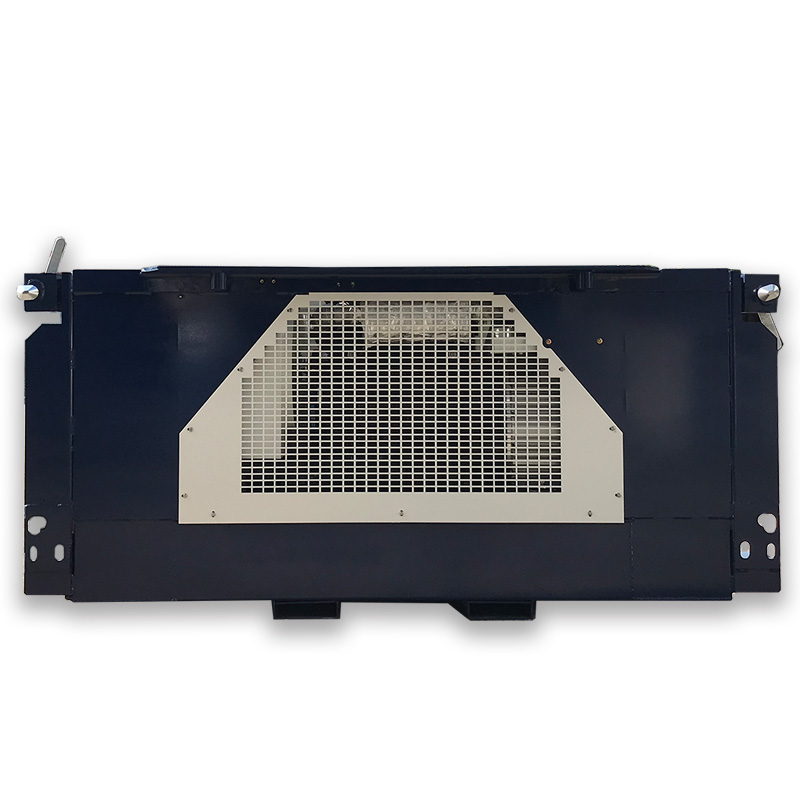
We need a clear way to compare these architectures. A head-to-head analysis helps clarify the outcomes. Different operations face entirely different daily friction points. You must match the hardware features to your specific workflow.
Yard operations vary drastically depending on your equipment. Clip-on management requires significant yard labor hours. Teams must coordinate crane operators and riggers. They must physically attach and detach the unit for specific legs of the journey. This adds minutes or hours to terminal dwell times.
Rear-cab setups offer a seamless nature. The tractor arrives, connects the power cable, and departs. The yard requires zero lifting equipment. This streamlines the dispatch process immensely. It is highly favorable for closed-loop, over-the-road trucking companies.
Weight placement impacts both safety and fuel consumption. Clip-on units place heavy diesel engines high up. This creates blunt-force wind resistance on the highway. The poor aerodynamic profile increases fuel drag during long OTR routes. It also makes the trailer more susceptible to crosswinds.
Rear-cab setups offer superior aerodynamic profiles. The generator hides behind the wind deflector of the truck cabin. This smooths the airflow over the trailer. You can potentially yield marginal fuel savings over thousands of miles. The lower weight distribution also improves braking and cornering stability.
Routine service dictates fleet uptime. Fueling a high-mounted clip-on in transit is difficult. Drivers often need ladders or specialized fueling platforms. Spills are more common due to the awkward angles. Maintenance requires mechanics to climb up to swap filters or check belts.
Contrast this with chassis or side-mounted tanks. These units sit at waist height. Fueling is as easy as filling the truck itself. Mechanics can perform diagnostics while standing safely on the ground. This accessibility reduces labor time and improves overall shop safety.
| Feature Area | Clip-On Configuration | Rear-Cab / Side-Mount |
|---|---|---|
| Asset Tracking | Stays with the specific cargo container. | Stays with the specific truck or chassis. |
| Terminal Labor | High (Requires forklifts, cranes, rigging). | Low (Driver handles the power cable). |
| Aerodynamics | Poor (Creates blunt wind resistance). | Excellent (Shielded by the tractor cabin). |
| Maintenance Access | Difficult (Requires ladders or removal). | Easy (Ground-level servicing). |
| Decoupled Power | Maintains cooling during rail/yard waits. | Loses power; requires immediate yard plug-in. |
Emissions compliance is no longer an optional upgrade. The regulatory landscape has shifted aggressively toward clean air standards. State-level regulations force immediate fleet-wide upgrades. California’s Transport Refrigeration Unit (TRU) rules set the benchmark. Environmental agencies frequently audit ports and distribution centers. Fines for non-compliance can cripple a logistics operation overnight.
Standardizing power across your fleet is essential. An EPA TIER T4F reefer generator provides necessary emissions reductions. It ensures Diesel Particulate Filter (DPF) compliance. The advanced injection systems also offer improved fuel economy. Upgrading to this tier keeps your assets moving legally through strict zones. It future-proofs your equipment against upcoming federal mandates.
However, we must apply a skeptic's lens to these upgrades. Tier 4 Final units successfully reduce emissions liabilities. Yet, they introduce vastly more complex maintenance requirements. The engines rely heavily on delicate sensors. They utilize intricate electronic control units (ECUs). Mechanics must troubleshoot software just as often as mechanical parts. This reality applies regardless of whether they are clip-on or rear-cab architectures. You must invest heavily in technician training.
Selecting the right equipment comes down to matching features to operational constraints. You need a reliable framework to evaluate your daily realities. Consider these two primary scenarios to guide your decision-making process.
Scenario A (Choose Clip-On):
You handle heavy intermodal shipping. Your containers frequently move from ships to railcars. You rely heavily on rail and port holding periods. You utilize non-dedicated, third-party chassis pools. In this scenario, you cannot guarantee the chassis has power. The cargo demands absolute independence. The extra terminal labor is a necessary trade-off for continuous cooling.
Scenario B (Choose Rear-Cab/Side-Mount):
You operate a highly controlled, closed-loop fleet. You utilize owned, dedicated chassis. You prioritize OTR aerodynamics and highway stability. Your customers demand faster turnaround times at distribution centers. In this scenario, you avoid terminal dwell times. The truck driver manages the power link. You benefit from safer fueling and streamlined yard flow.
Resource Allocation Check:
Remind your procurement team to factor in total operational expenditures. Look beyond the initial purchase order. You must calculate the daily yard labor hours required for mounting. You need to estimate long-term fuel efficiency differences. Factor in the time lost during complex maintenance routines. A cheaper unit might drain resources through inefficient daily handling. Always measure the time and fuel burn impacts across the equipment's lifespan.
The choice between a clip-on and a rear-cab genset is ultimately a choice between cargo independence and vehicle efficiency. Both systems successfully deliver the necessary voltage to standard refrigeration units. They simply solve different logistical friction points. Clip-ons conquer intermodal yard delays. Rear-cab units dominate dedicated highway routing.
We recommend conducting a strict audit of your most frequent logistics routes. Determine exactly where your cold containers spend the most idle time. Track how often they decouple from dedicated trucks. This data reveals your true hardware requirements. Focus on minimizing human touchpoints during transfer operations.
Take action by evaluating your current fleet infrastructure. Consult with an engineering specialist to assess your chassis compatibility. You must also evaluate your Tier 4 Final compliance timelines. Preparing now ensures you maintain an unbroken, compliant, and highly efficient cold chain.
A: No, they are specifically designed to interface with the corner castings of ISO shipping containers. Standard refrigerated trailers use integrated nose-mount units.
A: Side-mounts bolt to the I-beams of the container chassis, whereas rear-cab units mount directly behind the truck tractor. Both serve dedicated OTR routes but vary in weight distribution.
A: While federal guidelines mandate Tier 4 Final for new non-road diesel engines, operational enforcement varies by state (with CARB being the strictest). It is the standard for future-proofing.
A: No, clip-on units are completely self-contained with their own integrated fuel tanks, allowing them to operate independently of the truck or railcar.


