

Views: 0 Author: Site Editor Publish Time: 2025-09-23 Origin: Site


Ever wondered how diesel generators power homes and industries? Diesel generators are vital for electricity generation, especially during outages. Understanding their operation is crucial. In this post, you'll learn how diesel generators convert fuel into reliable electricity, ensuring continuous power supply.
A diesel generator is a machine that produces electrical power by converting the chemical energy stored in diesel fuel into mechanical energy, and then into electrical energy. At its core, the diesel generator function relies on a diesel engine coupled with an alternator. The diesel engine operates on the diesel generator working principle, where fuel is injected into highly compressed air, igniting spontaneously due to compression ignition. This combustion produces mechanical energy by moving pistons connected to a crankshaft. The crankshaft’s rotation drives the alternator, which uses electromagnetic induction to generate electricity. This entire diesel generator operation process ensures a steady power output, making it a reliable source of electricity.
Diesel generators are widely used in various settings due to their robust diesel generator mechanism and dependable power generation process. They serve as critical backup power sources during outages, ensuring businesses and homes continue to operate without disruption. Many industries rely on diesel generators for continuous power in remote locations where grid electricity is unavailable or unreliable. They are also common in construction sites, hospitals, data centers, and events where a portable or stationary power supply is essential. The diesel generator power output can range from small portable units to large industrial-scale generators, offering flexibility for different energy needs.
In summary, a diesel generator’s function is to provide reliable electrical power by converting diesel fuel into electricity through a well-coordinated engine operation and electrical system. Understanding how diesel generators work helps in selecting the right generator for specific applications and ensures efficient operation.
Note: Choosing the correct diesel generator size and type is crucial to match your power demands and ensure optimal efficiency and longevity.
At the heart of how diesel generators work lies the conversion of chemical energy stored in diesel fuel into mechanical energy. When diesel fuel is injected into the engine’s combustion chamber, it undergoes a process called compression ignition. Unlike gasoline engines that use spark plugs, diesel engines rely on the high temperature and pressure of compressed air to ignite the fuel spontaneously. This combustion releases energy, pushing the engine’s pistons downward and producing mechanical motion.
The diesel engine is the powerhouse of the diesel generator mechanism. It operates on the diesel generator working principle of compression ignition, which is highly efficient for energy conversion. As the pistons move, they turn the crankshaft, transforming the pistons’ linear motion into rotational mechanical energy. This engine operation process is crucial because it provides the continuous mechanical power needed to drive the generator’s alternator.
Fuel injection in diesel generators is a precise and controlled process. A fuel injector sprays atomized diesel fuel directly into the cylinder filled with highly compressed air. The intense heat causes the fuel to ignite immediately. This combustion generates expanding gases that exert force on the piston, creating the mechanical energy necessary for power generation. This step is fundamental to diesel generator electricity production, as it initiates the energy conversion cycle.
The crankshaft plays a vital role by converting the pistons’ up-and-down motion into rotary motion. This rotational energy is transmitted to the alternator. The smooth and continuous rotation of the crankshaft ensures a steady mechanical input for the electrical system, directly influencing the diesel generator power output and efficiency.
The alternator is where mechanical energy transforms into electrical energy. It consists of a rotor (connected to the crankshaft) and a stator. As the rotor spins inside the stator, it creates a moving magnetic field. According to electromagnetic induction principles, this changing magnetic field induces an alternating current (AC) in the stator windings. This is the core of the diesel generator electricity generation process, producing usable electrical power.
To maintain a consistent and reliable power supply, diesel generators include a voltage regulator. This device monitors the output voltage and adjusts the electrical excitation to keep the voltage stable despite changes in engine speed or load. Voltage regulation is essential for protecting connected equipment and ensuring the diesel generator electrical system delivers steady power at the correct voltage and frequency.
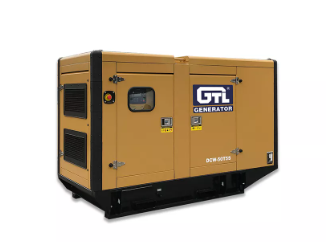
Understanding the key components of a diesel generator is essential to grasp how diesel generator electricity production works. Each part plays a specific role in the diesel generator operation process, contributing to efficient diesel generator energy conversion and steady diesel generator power output.
The diesel engine is the heart of the diesel generator mechanism. It converts the chemical energy from diesel fuel into mechanical energy through combustion. Operating on the diesel generator working principle of compression ignition, it drives the crankshaft to produce rotary motion. The engine operation directly influences the diesel generator power output and overall efficiency.
Connected to the crankshaft, the alternator is responsible for converting mechanical energy into electrical energy. It consists of a rotor and stator; as the rotor spins, it creates a magnetic field that induces an alternating current in the stator windings. This process is the core of diesel generator electricity generation.
The fuel system supplies diesel fuel to the engine. It includes the fuel tank, pipes, filters, and injectors. A well-maintained fuel system ensures a steady and clean fuel supply, which is vital for smooth diesel generator engine operation and consistent electricity production.
The voltage regulator maintains stable voltage output by adjusting the alternator’s excitation. It compensates for load changes and engine speed variations, ensuring the diesel generator electrical system provides a reliable and consistent power supply that protects connected devices.
Diesel engines generate significant heat during operation. The cooling system circulates coolant to absorb this heat and dissipates it via a heat exchanger. Meanwhile, the exhaust system safely channels combustion gases away from the generator, preventing overheating and maintaining safe operation.
The lubrication system pumps oil to engine components, reducing friction and wear. Proper lubrication is crucial to prolong engine life and ensure smooth diesel generator engine operation, especially under continuous load conditions.
Tip: Regularly inspect and service the fuel system, voltage regulator, and lubrication system to enhance your diesel generator’s reliability and maximize power generation efficiency.
Once the diesel generator’s alternator produces electrical power, this energy is typically in the form of alternating current (AC). The diesel generator electrical system is designed to generate AC because most residential, commercial, and industrial equipment operate on this type of power. The frequency and voltage of the AC output are determined by the rotational speed of the diesel engine and the design of the alternator. Maintaining a consistent speed is crucial to ensure that the generator produces electricity at the correct frequency, usually 50 or 60 Hz depending on the region.
In some cases, if the application requires direct current (DC), the AC output from the diesel generator can be converted using rectifiers or inverters. However, the primary diesel generator power generation process focuses on producing stable AC electricity suitable for immediate use or distribution.
After generation, the electrical power flows from the alternator through the generator’s electrical system to the output terminals. From here, the power is distributed to connected loads—these can be anything from household appliances to industrial machinery. The diesel generator operation process includes routing electricity safely and efficiently to these loads, ensuring that each receives the correct voltage and current.
The distribution system often includes circuit breakers and protective devices to prevent overloads or faults. This setup safeguards both the generator and the connected equipment. Additionally, the power output capacity of the diesel generator determines how many and what type of loads it can support simultaneously.
The control panel is the command center of the diesel generator. It manages the entire power distribution process and monitors the generator’s performance. Operators use the control panel to start or stop the generator, adjust settings, and track vital parameters such as voltage, frequency, engine speed, and fuel levels.
Advanced control panels also feature automatic transfer switches (ATS) that detect power outages and automatically start the diesel generator to supply electricity without delay. This automation is essential for critical applications that require continuous power. The control panel plays a key role in protecting the diesel generator electrical system by triggering alarms or shutdowns if abnormal conditions arise, thus ensuring safe and reliable operation.
One of the primary advantages of diesel generators is their unmatched reliability and efficiency. Diesel engines are built to withstand heavy loads and continuous operation, making diesel generators ideal for critical applications where power failure is not an option. Their diesel generator working principle—compression ignition—ensures efficient fuel combustion, which translates into better fuel economy compared to gasoline engines. This efficiency means diesel generators can produce a higher diesel generator power output per unit of fuel consumed, making them cost-effective over long-term use. Additionally, diesel engines have fewer components that wear out quickly, reducing downtime and maintenance frequency.
Diesel generators offer great flexibility in power supply. They are available in various sizes and capacities, from small portable units to large industrial models. This range allows users to select a diesel generator that precisely matches their power requirements, whether for temporary backup or continuous prime power. The diesel generator operation process supports quick startup and load acceptance, enabling them to respond rapidly to power outages or fluctuating demand. Moreover, diesel generators can operate in diverse environments, including remote locations without grid access, construction sites, and emergency situations, providing dependable electricity wherever it’s needed.
While the initial investment in a diesel generator can be higher than some alternatives, their operational cost-effectiveness is notable. Diesel fuel is generally more energy-dense and less expensive than other fuels, and diesel engines convert this fuel into electricity efficiently. The durability and longevity of diesel generators reduce the need for frequent replacements or repairs, lowering total lifecycle costs. Furthermore, their ability to maintain consistent diesel generator electricity production during power interruptions helps businesses avoid costly downtime and productivity losses. For many industries, this reliability justifies the cost, making diesel generators a financially sound choice.
Diesel generators play a crucial role as backup power sources for businesses. When the main electrical grid fails due to outages or emergencies, these generators kick in to provide uninterrupted electricity. This capability ensures that critical operations—such as data centers, hospitals, retail stores, and manufacturing plants—continue running smoothly without downtime. The diesel generator function in these settings revolves around reliable diesel generator electricity production that can handle sudden load demands. Their quick start-up and stable diesel generator power output make them ideal for emergency power supply, protecting businesses from costly disruptions and data loss.
In remote or off-grid locations, diesel generators are often the primary source of electricity. These areas usually lack access to reliable grid power, making diesel generators essential for daily operations. Whether it’s a mining site, rural community, or a construction camp, diesel generators provide dependable power that supports lighting, communication, and machinery. Their robust diesel generator mechanism and ability to operate under harsh conditions make them suitable for these environments. The diesel generator operation process can be adapted to run continuously or intermittently, depending on the energy needs and fuel availability.
Industrial facilities frequently rely on diesel generators as either backup or primary power sources. These generators support heavy machinery, production lines, and safety systems. The diesel generator working principle ensures efficient energy conversion, providing high diesel generator power output necessary for industrial loads. Factories, warehouses, and processing plants benefit from the flexibility and durability of diesel generators, which can manage variable loads and long operating hours. Additionally, industries often use diesel generators during peak power demand to supplement grid electricity, ensuring smooth production and preventing overloads.
Tip: When selecting a diesel generator for specific applications, consider the required power output, fuel availability, and operating environment to optimize performance and longevity.
Diesel generators convert diesel fuel into electricity through compression ignition, producing mechanical motion that drives an alternator. This process ensures reliable power supply, essential for various applications. As technology advances, diesel generators continue to offer efficient energy solutions. The products from Xiamen GTL Power System Co., Ltd provide exceptional value with their robust design and dependable performance, meeting diverse energy needs with precision and reliability.
A: Diesel generators work by converting chemical energy from diesel fuel into mechanical energy using a diesel engine. This mechanical energy drives an alternator, which generates electricity through electromagnetic induction, completing the diesel generator electricity generation process.
A: The diesel generator working principle involves compression ignition, where diesel fuel is injected into a cylinder of highly compressed air, igniting spontaneously and producing mechanical energy to drive the generator's alternator.
A: The diesel generator operation process ensures steady power output by maintaining consistent engine speed and using a voltage regulator to stabilize the electrical output, safeguarding the diesel generator electrical system.
A: The alternator in diesel generator electricity production converts mechanical energy from the engine into electrical energy using electromagnetic induction, generating alternating current (AC) power.
A: Mechanical energy is converted to electrical energy in a diesel generator through the alternator, where the crankshaft's rotation induces an electric current in the stator windings via electromagnetic induction.


