

Views: 0 Author: Site Editor Publish Time: 2026-08-30 Origin: Site


Sizing and selecting pneumatic equipment represents a high-stakes capital expenditure. Undersizing leads directly to tool failure and costly project delays. Oversizing results in wasted fuel and unnecessary upfront costs. Procurement teams and site managers must balance pneumatic power requirements carefully. They need to navigate strict emission regulations and physical mobility constraints on site. We aim to provide an evidence-based, technical framework for this process. You can use it to evaluate specifications and ensure regulatory compliance. It will also help you select a reliable equipment supplier. This guide cuts through marketing jargon. We focus purely on field-tested performance metrics. You will learn exactly how to match machine capabilities to actual job site demands. Proper selection guarantees uninterrupted productivity. We will show you how to achieve optimal operational efficiency from day one.
Always calculate your maximum required CFM (Cubic Feet per Minute) and add a 25-30% buffer for pressure drops and future tool additions.
Reviewing mobile diesel air compressor specifications requires looking beyond peak output to evaluate continuous duty cycles and fuel autonomy.
Tier 4 Final (T4F) compliance is no longer optional for most commercial job sites; engine efficiency dictates long-term operational costs.
Partnering with a vetted mobile diesel air compressor supplier ensures localized parts availability and minimal downtime.
You must understand the distinct difference between volume and pressure before buying equipment. Volume is measured in Cubic Feet per Minute (CFM). Pressure is measured in Pounds per Square Inch (PSI). Operating heavy pneumatic equipment depends primarily on sustained CFM delivered at a specific PSI. A 90-pound paving breaker typically requires 85 CFM at 100 PSI to function effectively. Abrasive blasting nozzles demand even higher volumes. If pressure drops below the tool requirement, the internal mechanisms will stall. You lose striking force immediately. We always advise matching the pressure rating first. Then, you build out your volume requirements based on tool count.
Job sites rarely run a single pneumatic tool in isolation. Multiple operators often connect to the same manifold. This reality makes calculating total demand critical for system stability. We recommend using a strict formulation method to prevent undersizing.
Identify every single pneumatic tool operating concurrently on your job site.
Record the exact manufacturer-rated CFM consumption for each specific tool.
Sum these individual figures to find your absolute baseline volume requirement.
Multiply your total figure by 1.3 to add the required safety margin.
The 30% buffer rule acts as an operational insurance policy. It accounts for inevitable air leaks across long hose runs. It compensates for internal friction inside couplers and fittings. Tool seals also wear down over time. Older tools consume more air than brand-new units. The buffer ensures you maintain peak pressure despite these hidden efficiency losses.
Environmental factors degrade equipment performance significantly. Diesel engines lose combustion efficiency at high altitudes due to thinner air. Compressor air ends also intake less air mass per revolution. An 10,000-foot elevation can reduce output by up to 30%. Extreme ambient heat creates similar problems. High temperatures reduce air density. They also stress internal cooling systems. You must factor environmental degradation into your initial calculations. A higher baseline spec compensates for these natural performance drops.
Evaluating mobile diesel air compressor specifications requires looking closely at fuel autonomy. The size of the internal fuel tank dictates your daily operational rhythm. You should analyze the specified fuel consumption rates at both 70% and 100% load capacities. A strategically sized tank guarantees a full 8-to-10-hour shift of uninterrupted work. Mid-day refueling stops kill project momentum. They also introduce contamination risks when handling diesel in dusty environments. Always verify the run-time charts provided by the manufacturer. Do not just look at the total gallon capacity.
Mobility configurations dictate how you deploy the equipment. You generally choose between tow-behind trailers and skid-mounted frames. Tow-behind units require specific DOT-compliant lighting packages. You must match the hitch type to your fleet trucks. Pintle rings work best for heavy off-road use. Ball hitches suit lighter highway towing. You must also check axle weight ratings to ensure safe highway transport. Skid-mounted units offer a different operational advantage. They are ideal for permanent mounting onto flatbed service trucks. Footprint dimensions become your primary constraint here. You need adequate space around the unit for daily maintenance access.
Feature Category | Tow-Behind Configuration | Skid-Mounted Configuration |
|---|---|---|
Mobility | Highly mobile across different sites. Towed by standard fleet vehicles. | Fixed to a single service truck or dropped at a long-term site. |
Space Requirements | Requires dedicated parking space. Takes up ground footprint. | Conserves ground space. Occupies bed space on service vehicles. |
Compliance Needs | Requires DOT lighting, safety chains, and registered license plates. | Requires secure bolting and proper truck weight distribution. |
Security Risk | Higher risk of theft. Requires wheel locks and hitch locks. | Lower risk of theft. Permanently bolted to heavy fleet vehicles. |
You must also verify the duty cycle capabilities of the machine. Industrial construction applications demand continuous duty ratings. A 100% continuous duty cycle means the machine can run at maximum pressure constantly. It will not overheat or shut down. Intermittent duty compressors require cooling periods between running cycles. Using an intermittent machine for abrasive blasting will trigger thermal shutdowns. This halts production entirely. Always confirm the rotary screw block is rated for round-the-clock continuous operation.
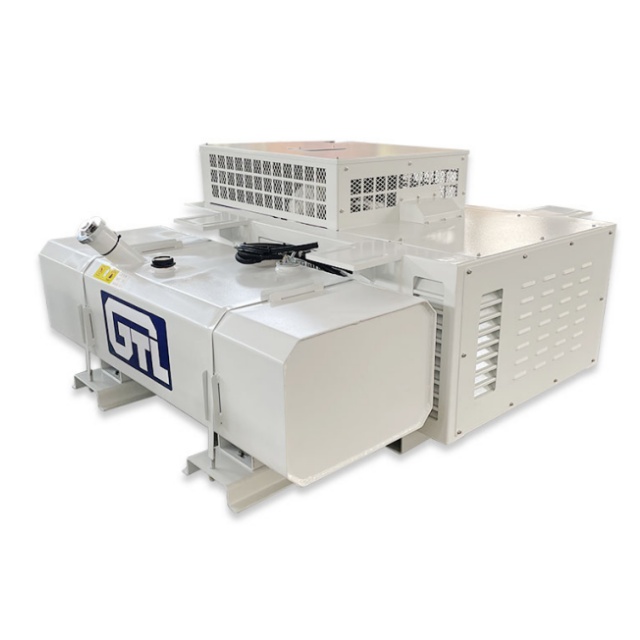
Modern job sites strictly enforce EPA Tier 4 Final (T4F) emission standards. You cannot bid on government or municipal contracts without compliant equipment. T4F engines drastically reduce particulate matter and nitrogen oxides. However, they introduce new maintenance realities. You must understand how Diesel Exhaust Fluid (DEF) systems function. DEF requires clean storage and careful handling. The Diesel Particulate Filter (DPF) traps soot during operation. It periodically requires high-temperature regeneration to burn off this soot. Operators must know how to manage regeneration cycles without disrupting workflow. Ignoring DEF quality or DPF regeneration warnings leads to engine derating.
Smart fleet managers look for site-wide power synergies. You should align your new equipment's engine technology alongside existing mobile assets. Standardizing engine brands simplifies everything. Your mechanics only need to learn one diagnostic software platform. You only stock one brand of fuel filters and DEF sensors. For instance, pairing your pneumatic fleet alongside a high efficiency t4f diesel reefer generator creates incredible logistics advantages. Your site shares unified compliance reporting. Fuel deliveries become highly predictable. On-site maintenance routines overlap perfectly.
The power transmission method impacts long-term efficiency deeply. Manufacturers build machines using either direct-drive or belt-drive systems. Direct-drive configurations couple the engine flywheel directly to the air end. This eliminates power transfer losses. It provides higher overall efficiency and consumes less fuel. Belt-driven models use heavy rubber belts and pulleys. Belts stretch under heavy loads. They slip when exposed to oil or dust. They also require frequent tension adjustments. We strongly recommend direct-drive rotary screw systems for heavy industrial work. They lower your maintenance burdens significantly.
Your equipment will face brutal environmental conditions. Enclosure durability determines the lifespan of internal components. You should evaluate the canopy construction carefully. Demand 14-gauge galvanneal steel enclosures. Look for factory-baked powder coating to resist rust and chemical corrosion. Flimsy plastic canopies shatter in freezing weather. Noise attenuation is another critical factor. Urban and residential job sites enforce strict noise ordinances. A quality machine utilizes heavy foam insulation inside the canopy panels. You should verify the decibel (dBA) rating. Look for units producing 76 dBA or less at a 7-meter distance. This allows operators to communicate safely nearby.
Extreme job sites destroy unprotected mechanical systems quickly. Filtration and weatherproofing packages keep dirt and moisture out of vital components. A standard paper filter will clog within hours on a dusty demolition site. You need heavy-duty protective systems.
Dust and Debris Protection: Demand dual-stage heavy-duty air intake filters. You need separate systems for the engine combustion chamber and the rotary screw intake.
Cold Weather Packages: Freezing temperatures thicken oil and freeze condensation. Look for integrated engine block heaters. Demand synthetic oil factory fills for easier cold starts.
Moisture Separation: Compressed air generates significant water vapor. You need robust mechanical moisture separators. They prevent water lines from freezing solid during winter operation.
Spill Containment: Environmental regulations prohibit fluid leaks onto soil. Look for an integrated 110% fluid containment frame. It captures accidental oil or coolant spills internally.
These protective features extend the life of any air compressor dramatically. Skipping them saves money upfront but guarantees premature engine failure. Dirt entering the rotary screw air end acts like sandpaper. It destroys the precise tolerances between the rotors. Always prioritize maximum filtration and robust weather sealing.
A supplier's true value only becomes apparent during equipment failure. You need guaranteed support when machinery breaks down mid-project. Require documented proof of regional service networks. A strong mobile diesel air compressor supplier maintains a fleet of mobile technicians. Ask them about their Service Level Agreements (SLAs) regarding replacement parts. You cannot afford to wait weeks for simple separators, belts, or sensors. They should guarantee 24-hour turnaround times for common consumable items. Localized parts availability directly minimizes your job site downtime.
Warranty terms often hide critical exclusions in the fine print. You must deconstruct the warranty documentation thoroughly. Look for separate, extended coverage structures. The core components require longer protection periods. The diesel engine and the rotary screw block should carry three-to-five-year warranties. The standard bumper-to-bumper warranty typically only covers the chassis and electronics for one year. Clarify exactly who handles warranty labor. Ask if you must tow the unit to a dealer, or if field technicians dispatch to your site. You want a mobile diesel air compressor backed by on-site labor coverage.
Off-the-shelf units rarely fit specialized industrial applications perfectly. Credible suppliers offer robust customization and commissioning services. They should walk the job site alongside your team. They can recommend application-specific modifications. For example, abrasive blasting requires incredibly dry air. A good supplier will factory-install specialized aftercoolers. They can mount heavy-duty hose reels directly to the frame. They will also ensure the installation of OSHA-compliant velocity fuses on all discharge valves. These valves instantly shut off airflow if a hose severs. Vetting your supplier for this level of engineering expertise guarantees a safer, more productive work environment.
Calculate capacity carefully: Always match your CFM and PSI to specific tool demands while applying a strict 30% safety margin.
Prioritize robust construction: Select direct-drive systems enclosed in heavy-gauge steel to survive harsh environmental elements.
Ensure emission compliance: Adopt Tier 4 Final engine technology to meet regulatory standards and improve long-term fuel efficiency.
Next Action: Audit your current pneumatic tool inventory to establish a precise baseline CFM. Then, request detailed specification sheets and service level agreements from your shortlisted equipment suppliers.
A: First, identify every tool operating simultaneously on your job site. Find the manufacturer-rated CFM requirement for each specific tool. Add these numbers together to get your total volume demand. Finally, multiply this total sum by 1.3. This adds a necessary 30% safety margin. It compensates for hose friction, minor air leaks, and normal tool wear.
A: Tier 4 Final (T4F) units meet strict EPA regulations that heavily reduce nitrogen oxides and particulate matter. T4F engines incorporate advanced exhaust aftertreatment systems. They utilize Diesel Exhaust Fluid (DEF) and Diesel Particulate Filters (DPF). Tier 3 engines lack these complex emission controls. Government and municipal job sites now strictly mandate T4F compliance for operational bidding.
A: Compressing ambient air generates intense heat and pulls in moisture. An aftercooler rapidly lowers the temperature of the discharged air. This sudden cooling forces water vapor to condense into liquid form. Mechanical separators then remove this liquid. Dry air is mandatory for specific applications like abrasive blasting or industrial painting. Moisture ruins paint adhesion and clumps blasting media.
A: Routine maintenance schedules depend on environmental conditions and manufacturer specifications. Generally, you must replace the engine oil and filters every 250 to 500 hours. The rotary screw compressor fluid and primary air/oil separators usually require replacement every 1,000 to 2,000 hours. You should inspect heavy-duty air intake filters weekly in dusty environments.


