

Views: 0 Author: Site Editor Publish Time: 2026-07-15 Origin: Site


The transition from noisy diesel generators to silent renewable systems marks a major operational shift. These advanced setups serve critical commercial, industrial, and emergency applications reliably. You face a significant challenge during equipment selection. Over-sizing wastes capital expenditure. It introduces severe logistical friction and requires massive transport resources. Conversely, under-sizing risks critical power failures when you need energy most. Finding the perfect balance ensures smooth operations. We aim to provide an evidence-based framework for procurement teams. Project managers must choose carefully between 30kW and 100kW units. We base this comparison on realistic load profiles. Site constraints and deployment speed also dictate the best choice. You will learn how to match equipment capabilities directly to your daily operational reality. This guide eliminates guesswork and ensures uninterrupted project execution.
The core business problem involves decarbonizing remote operations. You cannot sacrifice power reliability during this transition. You need dependable energy for critical site functions. Traditional generators cause heavy emissions. Clean energy alternatives solve this issue while maintaining performance.
Regulatory drivers push this transition forward rapidly. Authorities enforce increasingly strict noise regulations globally. Emission limits tighten on construction sites located near residential zones. Protected environmental zones demand strict zero-emission operations. Non-compliance results in heavy fines. It often forces immediate site shutdowns. You must adopt an off-grid power supply to maintain operational compliance.
We see a major shift from fuel to footprint. Previously, teams focused heavily on diesel fuel delivery schedules. Weather delays disrupted these complex supply chains. Now, you manage solar array deployment footprints instead. Advanced battery management replaces outdated fuel logistics. You optimize panel placement rather than fuel tank capacity.
You measure success through highly specific metrics. Uptime percentage remains the primary operational indicator. We track the total reduction in diesel gallons consumed over a project lifecycle. Speed of deployment matters significantly. You measure the precise time from trailer arrival to active power generation.
Fast-moving operations need ultimate agility. You require frequent relocations across diverse terrain. The 30kW mobile PV station fits this specific need perfectly. It moves quickly between temporary staging zones. You achieve maximum mobility without sacrificing baseline power availability.
Typical applications cover a wide operational spectrum. Telecom tower backup systems rely on them heavily. Remote monitoring stations use them for uninterrupted data transmission. Small to medium construction site trailers use this consistent power. Workers charge essential battery-powered tools efficiently. Temporary event infrastructure runs smoothly. This includes perimeter lighting, public audio systems, and security surveillance networks.
Logistical advantages stand out immediately. Manufacturers mount these units on standard dual-axle trailers. Commercial pickup trucks tow them easily across highways. A standard one-to-two person team handles the entire deployment phase. You generate usable power within hours of arrival. You avoid expensive crane rentals entirely. You bypass specialized heavy-rigging crews.
Specific limitations exist. The unit lacks the massive capacity required for sustained heavy machinery operation. It cannot run large-scale industrial HVAC systems continuously. You must respect its structural power boundaries.
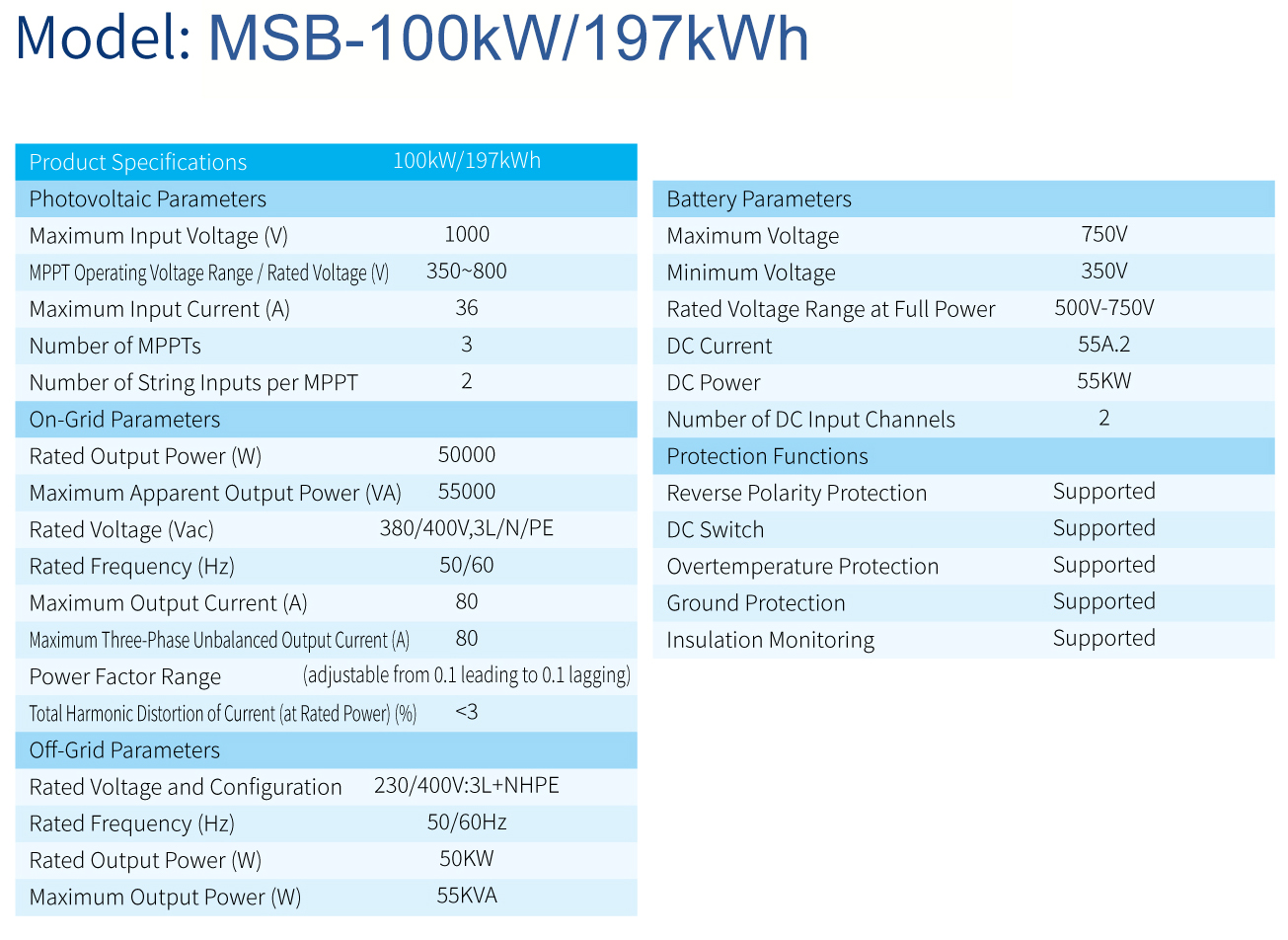
Heavy-duty operations demand exceptional power reserves. It serves sustained, high-draw environments effectively. These remote sites traditionally rely on 150kVA or larger diesel generators. The 100kW mobile PV station handles immense continuous loads. It replaces fossil fuels entirely in these harsh applications.
Typical applications reflect expansive industrial needs. Mining exploration camps operate in remote, hostile environments. They depend on continuous energy to power vital ventilation systems. Disaster relief base camps use them for critical medical infrastructure. Large-scale construction sites power massive tower cranes. High-volume water pumps and heavy HVAC systems run continuously. Localized utility maintenance teams use them for robust grid-edge support during localized outages.
System integration requires specialized electrical engineering. Output stability depends entirely on massive battery banks. You integrate premium lithium-ion or LiFePO4 battery chemistry. This architecture handles severe inductive load surges seamlessly. Starting heavy industrial motors draws massive instantaneous current. A robust solar energy storage system prevents critical inverter faults during these sudden spikes.
Deployment realities reflect the massive scale of the equipment. You need commercial heavy-duty transport. Semi-trucks or specialized flatbeds move the equipment to the site. Array unfolding often requires complex mechanized assistance. Integrated hydraulic systems push the heavy panels into place automatically. The massive physical footprint demands substantial open real estate. You must prepare the ground thoroughly before deployment.
Compare the footprint and real estate requirements carefully. The 100kW unit requires significant unshaded land. It dominates the physical workspace. The 30kW unit fits easily into tight parking spaces. It maneuvers well in congested urban environments.
Surge capacity limits define your operational boundaries. The 30kW inverter handles resistive loads perfectly. Small electrical motors run fine without issue. The 100kW inverter tackles large inductive loads aggressively. Industrial compressors and water pumps need extremely high starting currents. They demand massive instantaneous power.
Capital vs. operational expenditure involves strategic resource allocation. The 30kW model offers a much lower barrier to entry. It yields faster returns on smaller agile projects. The 100kW system demands high initial capital expenditure. However, it yields exponential savings in remote areas over time. Bulk fuel delivery logistics often become financially prohibitive there.
Weather resilience dictates your exact autonomy levels. Battery capacity must scale correctly with each unit. You must survive multi-day overcast conditions without interruption. Intelligent load shedding becomes necessary during extended storms.
| Operational Feature | 30kW Mobile Station | 100kW Mobile Station |
|---|---|---|
| Transport Method | Standard pickup truck (Dual-axle trailer) | Semi-truck or heavy flatbed |
| Deployment Speed | 1-2 hours (Manual slide rails) | 4-8 hours (Mechanized/Hydraulic) |
| Surge Capacity | Moderate (Small tools, resistive loads) | Extreme (Cranes, industrial pumps) |
| Spatial Footprint | Compact (Fits standard parking spaces) | Expansive (Requires clear open land) |
| Primary Application | Telecom, events, small site trailers | Mining camps, disaster relief hubs |
The nameplate capacity fallacy misleads many engineering teams. A 100kW mobile solar power station rarely produces exactly 100kW continuously. Environmental factors intervene constantly. Shading from nearby structures reduces energy collection. Suboptimal panel angles decrease efficiency. Geographic solar irradiance variations impact final output. You must model highly conservative yields during planning.
Transportation and weight limits require strict legal compliance. Heavy battery banks increase total trailer weight dramatically. High-efficiency solar panels add substantial physical mass. Compliance with regional highway towing regulations remains completely mandatory. A massive battery bank easily pushes trailer weights over commercial thresholds. You risk severe operational penalties otherwise.
Maintenance and degradation affect long-term commercial viability. Fine dust accumulation degrades panel performance rapidly. You must clean massive solar arrays regularly in arid environments. Extreme ambient temperatures affect delicate battery degradation cycles. You need robust thermal management systems to preserve cell integrity.
Hybrid redundancy remains essential for critical infrastructure. Most modern deployments integrate an auto-start diesel generator. This acts as a highly reliable emergency failsafe. It engages automatically when primary battery reserves deplete fully. It prevents catastrophic shutdowns during week-long winter storms.
Selecting the right equipment dictates project success. Choose the 30kW unit for ultimate mobility. It fits limited space and standard electrical loads perfectly. Escalate to the 100kW unit for stationary basecamps. Use it for heavy machinery and total diesel displacement strategies.
Take immediate action on your project planning. Conduct a thorough site load analysis first. Distinguish clearly between peak surges and continuous power draw. Perform a complete energy audit of the target site. Complete these crucial steps before issuing any formal requests for proposals.
A: Calculate total daily power consumption first. Add up the wattage of all devices multiplied by their run hours. This gives your Total Daily Watt-hours. Add a 20% safety margin for unexpected usage. Finally, divide this sum by the Peak Sun Hours available at your geographic location. The resulting figure dictates the required solar array size.
A: Yes, but you must match the inverter surge rating to the equipment. Heavy tools and pumps represent inductive loads. They require a massive spike in starting current, often three times their running wattage. Your mobile photovoltaic power station must handle this peak surge load, not just the continuous operational draw.
A: Deployment time scales directly with system size. A standard 30kW unit sets up manually in under two hours using a two-person team. Conversely, a 100kW system requires heavy-duty transport positioning. Unfolding massive solar arrays usually relies on hydraulic or mechanized assistance. You should allocate a full work day for large-scale deployment.
A: The system relies entirely on the integrated solar energy storage system during overcast weather. Properly sized battery banks provide multiple days of autonomy. If the batteries deplete critically, an optional backup diesel generator automatically engages. This hybrid failsafe guarantees uninterrupted power until sunlight returns to recharge the system.


