

Views: 0 Author: Site Editor Publish Time: 2025-09-02 Origin: Site


Are you torn between choosing a diesel generator or a natural gas generator? Understanding fuel types is crucial in making an informed decision. Cost analysis matters as it impacts your budget and long-term expenses. In this post, you'll learn about the cost differences between diesel and natural gas generators, helping you choose the best option for your needs.
When considering a diesel generator, understanding the full cost picture is crucial. Let’s break down the main expenses associated with diesel generators, from the initial investment to long-term operational costs.
The diesel generator price tends to be competitive, especially for industrial applications. Industrial generator price points vary widely based on capacity and features. For example, a diesel generator for home price typically ranges from $3,000 to $10,000, depending on power output and brand. Larger diesel generator sets used in commercial or industrial settings can cost tens of thousands of dollars. Diesel generator manufacturers often offer models tailored for specific uses, such as diesel generators for semi trucks or generator for tractor PTO applications. If you are exploring options, searching for “diesel generator for sale near me” can help find local suppliers and competitive pricing.
Diesel fuel is generally more expensive than natural gas, but diesel generators are more fuel-efficient due to higher energy density. A diesel generator consumes roughly 0.4 to 0.6 gallons per hour per 10 kW of output under typical load. Fuel costs fluctuate with market prices, but diesel’s higher efficiency can offset its higher price. For home use, diesel generator fuel consumption translates to moderate operating costs, but for industrial generators running continuously, fuel expenses become a significant factor.
Diesel generators require regular maintenance to ensure reliability. Maintenance includes oil changes, filter replacements, and fuel system checks. Compared to natural gas units, diesel generators have fewer complex components like spark plugs, reducing some maintenance tasks. However, diesel fuel requires treatment such as fuel polishing to prevent contamination, especially for on-site fuel storage. Diesel generator services from certified technicians help prolong generator lifespan and maintain performance. Regular maintenance schedules can be arranged through diesel generator suppliers or service providers.
Beyond fuel and maintenance, long-term costs include parts replacement and potential downtime. Diesel generators often have a longer lifespan than natural gas models, which can reduce replacement frequency. However, noise and emissions control measures might add to operational expenses, especially in residential areas. Renting a diesel generator (diesel generator on rent or diesel generator for rent near me) can be a cost-effective short-term solution for projects without long-term commitments.
Tip: When budgeting for a diesel generator, factor in fuel efficiency and maintenance costs alongside the initial diesel generator price to get a realistic estimate of total ownership expenses.
When evaluating natural gas generators, it’s important to understand their cost structure from the initial purchase to long-term operation. This helps in comparing them effectively against diesel generators.
Natural gas generators generally have a higher upfront cost compared to diesel units, especially for larger capacities. For example, natural gas generators rated above 150 kW can cost 60% to 100% more than equivalent diesel generator sets. This is partly due to the complexity of natural gas engines and the need for specialized components. Additionally, installation costs may be higher since you often need to connect the generator to a natural gas pipeline, which can involve piping and permits if a connection is not already available. However, smaller natural gas generators for home use can sometimes be priced competitively when compared to diesel generators for home price ranges. When shopping, checking with diesel generator manufacturers and suppliers can provide insight into comparable natural gas models and pricing.
One of the biggest advantages of natural gas generators is the lower fuel cost. Natural gas prices tend to be more stable and usually cheaper than diesel fuel. A natural gas generator typically consumes about 118 cubic feet of gas per hour for a standard home generator, costing roughly $1.88 per hour based on current prices. In contrast, diesel generators consume more expensive fuel but at higher efficiency. For industrial applications, natural gas can offer significant savings over time, especially in urban areas where natural gas supply is reliable and uninterrupted. However, fuel availability can be a concern in remote locations or during severe disasters when gas lines may be compromised.
Natural gas generators require more frequent maintenance than diesel generators. The presence of spark plugs and carburetors in natural gas engines means these parts need regular inspection and replacement. Also, natural gas engines may experience carbon buildup requiring periodic cleaning. On the plus side, natural gas burns cleaner than diesel, producing less soot and residue, which can reduce some maintenance tasks. Still, service plans through generator suppliers or diesel generator services that also cover natural gas units are recommended to keep the generator running efficiently and reliably.
While the initial purchase price and maintenance needs can be higher, natural gas generators benefit from lower fuel expenses, which often balance out total ownership costs over the long term. Additionally, natural gas generators avoid the need for on-site fuel storage tanks, reducing infrastructure and safety costs. However, if natural gas supply is interrupted, the downtime cost can be significant. In contrast, diesel generators can store fuel on-site, offering greater independence but adding storage maintenance costs. For those considering rental options, natural gas generator rental availability may be less common than diesel generator on rent or diesel generator for rent near me services, which could affect short-term project costs.
Tip: When budgeting for a natural gas generator, include potential higher installation and maintenance costs alongside fuel savings to accurately assess long-term cost efficiency.
Diesel generators stand out for their impressive fuel efficiency. Thanks to the high energy density of diesel fuel—about 129,000 BTUs per gallon—they can generate more power per unit of fuel than natural gas generators. This efficiency means a diesel generator set typically consumes less fuel when operating under the same load compared to a natural gas unit.
Industrial diesel generators often run at slower speeds (around 1800 RPM), which reduces wear and improves fuel economy. This makes them ideal for continuous or heavy-duty applications. For home use, the best diesel generator for home scenarios balances efficiency with quieter operation, though diesel engines tend to be louder overall.
Natural gas generators consume fuel with a lower energy density—approximately 37,000 BTUs per cubic foot—so they require more volume to produce the same power output as diesel. However, natural gas is usually less expensive and more stable in price, which can offset the lower efficiency.
Natural gas generators often run cleaner and cooler, which can slightly improve engine longevity. They also avoid the need for on-site fuel storage, which is a plus for many users. But, due to their fuel consumption characteristics, they may have higher fuel costs if natural gas prices rise.
Diesel generators excel in handling sudden load changes and operate efficiently at high loads. Their robust engines provide consistent power output, making them reliable for critical applications like hospitals, industrial sites, or semi trucks.
Natural gas generators perform well under steady loads but can struggle with rapid load fluctuations. They are better suited for applications with predictable power demands, such as residential backup or continuous power in urban areas.
| Aspect | Diesel Generator | Natural Gas Generator |
|---|---|---|
| Energy Density | High (129,000 BTU/gal) | Lower (37,000 BTU/cubic foot) |
| Fuel Efficiency | Higher | Moderate |
| Load Handling | Excellent, adapts to rapid changes | Best with steady loads |
| Noise Level | Louder | Quieter |
| Fuel Storage | Requires on-site tanks | Connected to utility pipeline |
| Fuel Cost Stability | More volatile | Generally stable |
Tip: When selecting a diesel generator for your home or business, consider both fuel efficiency and load requirements to ensure you choose a model that delivers reliable performance without excessive fuel costs.
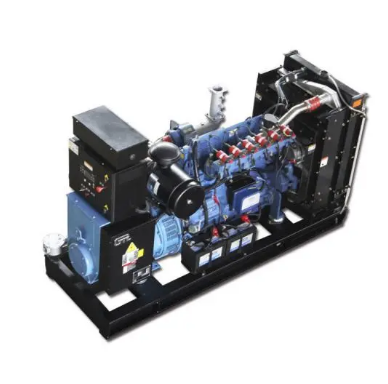
Diesel generators are known for their robust performance, but they tend to produce higher emissions compared to natural gas units. Burning diesel fuel releases pollutants such as nitrogen oxides (NOx), particulate matter (PM), and carbon dioxide (CO2). These emissions contribute to air pollution and can impact local air quality, especially in densely populated or residential areas.
However, modern diesel generator manufacturers have made significant strides in reducing emissions. Compliance with EPA’s Clean Air Act standards has led to engines that emit 99% less particulate matter and NOx than older models. Using ultra-low sulfur diesel (ULSD) fuel also helps cut down harmful emissions. Despite these improvements, diesel generators still produce more greenhouse gases than natural gas counterparts.
Noise pollution is another environmental concern with diesel generators. They typically operate louder than natural gas units, which can be disruptive in residential neighborhoods or noise-sensitive environments. Sound-attenuating enclosures and mufflers can help reduce noise levels but may add to the diesel generator price and operational costs.
Natural gas generators are often praised for their cleaner emissions profile. When natural gas burns, it produces significantly lower amounts of NOx, PM, and CO2 compared to diesel. According to the Energy Information Administration, natural gas emits about 30% less CO2 per unit of energy than diesel fuel.
This cleaner combustion results in less smog-forming pollutants and fewer greenhouse gases, making natural gas generators a more environmentally friendly option. The reduced soot and residue also mean less engine wear and easier maintenance, which can indirectly benefit operational costs.
Natural gas generators are quieter than diesel units, making them suitable for residential areas and places with strict noise regulations. However, these generators rely on a steady natural gas supply, which may be disrupted during disasters, potentially affecting reliability.
Environmental regulations play a significant role in shaping generator choices. Diesel generators must meet strict emissions standards set by agencies like the EPA, which can influence diesel generator cost due to the need for advanced emission control technologies.
Some regions impose additional fees or require permits for diesel generator operation, especially for mobile or emergency units. For example, Texas applies a fee per ton of emissions, which can affect the total cost of ownership. Natural gas generators often face fewer regulatory hurdles because of their lower emissions.
For businesses and homeowners, understanding local regulations is essential when selecting a generator. Compliance may require investing in emission control systems or choosing a cleaner fuel option. Diesel generator suppliers and manufacturers can provide guidance on meeting these requirements.
Tip: When evaluating diesel generator price and operational costs, factor in potential expenses related to emissions compliance and noise mitigation to avoid unexpected regulatory costs.
Diesel generators are renowned for their rugged durability and long service life. Built to handle heavy-duty industrial and commercial applications, these generators typically run at slower speeds (around 1800 RPM), which reduces engine wear and extends lifespan. Many diesel generator sets are liquid-cooled, enhancing their ability to operate continuously under demanding conditions without overheating.
The robust construction of diesel engines means they can last up to twice as long as natural gas generators when properly maintained. This longevity makes diesel generators a preferred choice for critical applications such as hospitals, industrial facilities, and semi trucks, where reliability is non-negotiable. Additionally, diesel fuel can be stored on-site, providing fuel availability even during supply disruptions, which further supports diesel generators’ reliability.
Natural gas generators, while generally less durable than diesel, offer reliable performance in many residential and commercial settings. They tend to have a larger footprint and operate at higher speeds, which can result in increased wear over time. Most natural gas generators are air-cooled or have less robust cooling systems compared to diesel units, potentially limiting their continuous run capabilities.
Because natural gas generators rely on utility pipelines for fuel, their reliability depends on the stability of the gas supply. Interruptions in natural gas service during extreme weather or disasters can reduce generator uptime. However, natural gas engines produce cleaner combustion, which means less engine residue and potentially fewer mechanical issues related to soot buildup.
Several factors influence the lifespan and reliability of both diesel and natural gas generators:
Maintenance: Regular maintenance by certified diesel generator services or natural gas generator technicians is crucial. This includes oil changes, filter replacements, and fuel system inspections.
Operating Conditions: Generators running at or near full load consistently tend to wear out faster than those operated at moderate loads.
Fuel Quality: Diesel fuel requires treatment like fuel polishing to prevent contamination, especially for on-site storage. Natural gas quality is generally consistent but depends on the utility provider.
Environmental Exposure: Generators housed in protective enclosures or indoors tend to last longer than those exposed to harsh weather.
Usage Frequency: Frequent starting and stopping cycles can increase wear on components compared to steady, continuous operation.
For those seeking the best diesel generator for home use or industrial applications, partnering with reputable diesel generator manufacturers and suppliers ensures access to quality units and expert support for maintenance and repairs. Options such as diesel generator on rent or diesel generator for rent near me can also offer flexible solutions without long-term commitments.
Selecting between a diesel generator and a natural gas generator depends on several key factors. Understanding your power requirements, location, fuel availability, and budgeting for long-term costs will help you make an informed decision.
Start by evaluating how much power you need. Diesel generators are well-suited for high-demand applications because they deliver efficient, reliable power at higher loads. For example, if you require a generator for a semi truck, industrial equipment, or a large home, diesel generators often provide the best balance of power and fuel efficiency.
On the other hand, natural gas generators perform best with steady, predictable loads. They can be ideal for residential homes or commercial facilities with consistent energy needs. When looking for the best diesel generator for home use, consider models that match your typical power consumption to avoid overspending.
Your location heavily influences the choice of generator fuel. Diesel generators offer flexibility since you can store fuel on-site, making them suitable for remote areas or disaster-prone regions where fuel deliveries might be delayed. If you live in a rural area or need a generator for tractor PTO applications, diesel generators are often the preferred option.
Natural gas generators require a reliable connection to a natural gas pipeline. They are excellent in urban or suburban settings where gas supply is stable and continuous. However, during natural disasters, gas lines can be disrupted, which may limit generator operation. For homes or businesses with dependable gas infrastructure, a natural gas generator can offer lower operating costs and quieter operation.
Initial diesel generator price is usually lower for smaller units but can increase significantly for larger industrial generator price points. Although diesel fuel is more expensive than natural gas, diesel generators generally consume less fuel due to higher efficiency. Maintenance costs for diesel generators tend to be lower because they lack spark plugs and carburetors, but fuel storage and treatment add to expenses.
Natural gas generators often have a higher upfront cost, especially for units above 150 kW. However, their fuel is cheaper and more stable in price, which can result in savings over time. Maintenance might be more frequent due to more complex engine components. When budgeting, consider total cost of ownership, including fuel, maintenance, and potential downtime.
If you’re unsure about purchasing, exploring options like diesel generator on rent or diesel generator for rent near me can provide short-term solutions without heavy investment. Also, consulting with diesel generator manufacturers and suppliers can help you find models tailored to your needs and budget.
In comparing natural gas and diesel generators, costs vary from purchase to operation. Diesel generators are efficient and durable, with lower maintenance costs. Natural gas units, though pricier initially, offer cheaper fuel and cleaner emissions. Consider power needs and fuel availability when choosing. Xiamen GTL Power System Co., Ltd offers reliable, cost-effective solutions tailored to your requirements, ensuring optimal performance and value. Stay informed on future trends to make the best choice for your energy needs.
A: The diesel generator for home price typically ranges from $3,000 to $10,000, depending on power output and brand.
A: Diesel generators usually have a lower initial cost but higher fuel expenses. Natural gas generators can cost more upfront but offer cheaper, stable fuel prices.
A: You can find diesel generator suppliers by searching for "diesel generator for sale near me" to locate local options with competitive pricing.
A: Yes, diesel generators are generally more fuel-efficient due to the high energy density of diesel fuel, making them ideal for continuous or heavy-duty applications.


