

Views: 0 Author: Site Editor Publish Time: 2026-09-06 Origin: Site


Unplanned power drops do more than dim the lights. They trigger cascading failures across industrial operations, turning reliable energy reserves into unpredictable liabilities. Performance loss in industrial power units is rarely a sudden mechanical failure. Instead, it is a compounding business risk resulting in unplanned downtime, compromised prime power, and spiked operational expenditures (OpEx). Industrial buyers often mistake natural mechanical wear for initial specification mismatches or poor maintenance protocols.
We must strip away the marketing noise to objectively examine the root causes of capacity degradation. From load mismanagement to environmental constraints, you will discover what silently drains efficiency. Finally, we will outline how to evaluate equipment properly. You will learn how to prevent long-term efficiency drops and secure your power reliability.
Implementation realities often clash with common industry myths. Many operators believe a dangerous misconception. They think running a generator at low capacity preserves engine life. This is technically false. Diesel engines are built to operate under heavy loads. When you consistently run them lightly, you invite chronic mechanical degradation. You must understand how load limits interact with internal mechanics.
Running an engine below 30% to 40% load prevents cylinders from reaching optimal operating temperatures. This cool environment hinders complete combustion. Unburned fuel and soot escape into the exhaust system. They mix to create a thick, dark liquid known as wet stacking. It coats internal components and restricts exhaust flow.
We see a direct correlation between wet stacking and decreased engine output. Carbon accumulation chokes the engine. It forces the system to work harder just to push exhaust gases out. You burn more fuel while producing less usable power.
Conversely, pushing a unit past its continuous rating creates immediate danger. Sustained overloading causes rapid thermal breakdown. Alternator windings overheat, and the protective insulation begins to melt. Constant overloading also accelerates mechanical wear on engine bearings, pistons, and cooling systems. You will experience severe voltage drops followed by catastrophic failure.
These realities highlight our primary evaluation criteria. Conducting a thorough load profiling is a mandatory first step before procurement. You must map your startup surges and steady-state demands. It ensures you do not inadvertently cook your alternator.
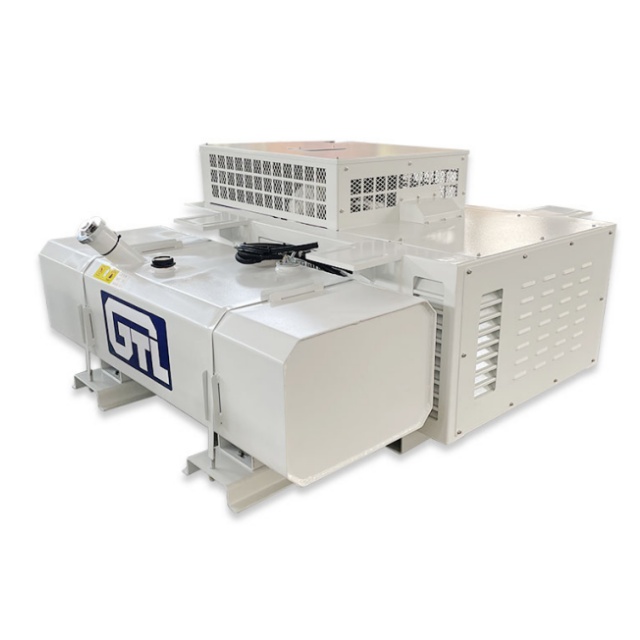
Site-specific risks directly compromise power output. We call this phenomenon derating. A well-built container generator set must handle its physical operating environment efficiently. Otherwise, you lose significant capacity. The surrounding environment dictates actual performance regardless of the manufacturer's nameplate rating.
Extreme ambient heat severely impacts air density. Hot air holds much less oxygen. This lack of oxygen reduces combustion efficiency inside the engine cylinders. The engine struggles to burn fuel completely. You lose horsepower rapidly as ambient temperatures climb.
Furthermore, poorly designed container louvers restrict incoming airflow. Exhaust routing mistakes often lead to internal heat recirculation. The cooling fan pulls hot exhaust back into the radiator housing. This triggers high-temperature alarms and forces immediate shutdowns. You must ensure your enclosure guarantees a smooth, unidirectional airflow path.
Sub-zero deployments present entirely different operational obstacles. Diesel fuel begins to gel in freezing conditions. Paraffin wax crystallizes and heavily clogs fuel filters. Block heaters often fail, making cold engine starts impossible. Additionally, battery degradation accelerates rapidly in freezing temperatures. You lose cranking amps when you need them most.
As a core solution category, you must point toward weatherized enclosures. Standard baselines for harsh climates include integrated coolant heating systems. Motorized louvers keep snow out when the unit rests. Battery warmers ensure instant start reliability during winter storms.
Mechanical degradation is inevitable over time. However, specific internal failures manifest as noticeable performance drops. You must recognize these symptoms early. Objective analysis prevents minor issues from causing total power loss.
Table: Generator Performance Loss Matrix
| System Component | Primary Failure Mode | Observable Performance Impact |
|---|---|---|
| Fuel Delivery | Clogged Filters / Damaged Injectors | Rough idling, black smoke, reduced kW output |
| Alternator Core | Thermal Insulation Breakdown | Voltage instability, localized overheating |
| Control Systems | AVR or Governor Malfunction | Voltage spikes, surging or hunting frequency |
Degraded diesel fuel actively ruins engines. Microbial growth thrives inside poorly maintained diesel tanks. Water ingress provides the perfect breeding ground for this bacteria. The resulting sludge severely restricts fuel filters. It damages high-pressure injectors inside a standard diesel generator. Damaged injectors alter the precise fuel spray pattern. The engine runs rough, and power output drops significantly. You must filter and polish stored fuel regularly.
The Automatic Voltage Regulator (AVR) acts as the brain for voltage stability. Meanwhile, the engine governor maintains stable RPMs. Together, they dictate power quality. When these components degrade, you see abnormal frequency fluctuations. The engine constantly hunts or surges for a stable speed. This heavily impacts sensitive operational loads. Data centers and manufacturing robotics cannot tolerate dirty power. Hunting indicates advanced control system degradation. It requires immediate technical diagnostics.
We must transition from diagnostic troubleshooting to proactive procurement. You need to read spec sheets defensively. Linking features to actual operational outcomes is vital. You must establish strict container generator set specifications before finalizing any purchase order.
Relying purely on a simple "nameplate rating" leads directly to capacity failures. A 500kW standby rating does not mean you get 500kW of continuous prime power. You must match the alternator pitch to your facility's specific harmonics. Prime and standby ratings must align perfectly with your actual facility load profile. If you skip this, you face severe operational limitations.
Modern industrial regulations require strict compliance frameworks. You might evaluate advanced systems like a high efficiency t4f diesel reefer generator. You must balance Tier 4 Final (T4F) compliance with sustained power output. These advanced units use DEF fluid and complex DPF filters. If poorly managed, forced regeneration cycles cause unplanned downtime. Ensure your load creates exhaust temperatures high enough to perform passive regeneration automatically.
Noise reduction is highly critical in urban environments. However, ISO-container acoustic treatments can easily choke engine airflow requirements. Thick acoustic foam limits the internal breathing volume. Complex baffles restrict intake velocity. You must verify that heavy sound attenuation does not starve the engine of necessary combustion air.
Differentiating between simple box-movers and true engineering partners is critical. Shortlisting logic protects your capital investment. You need a trusted container generator set supplier to guarantee long-term performance.
Performance loss in containerized generators is rarely a sudden catastrophic event. It is usually the result of incremental operational mismatches. Deferred maintenance and initial improper sizing also play huge roles in efficiency degradation. You can prevent these systemic issues through proactive diligence and proper specification alignment.
We urge buyers to audit their current load profiles immediately. Consult directly with application engineers to review your exact site requirements. Complete this step before requesting quotes or finalizing capital expenditure. Protecting your operational power requires matching equipment specifications to actual site realities.
A: Higher altitudes feature lower air density. This reduces the oxygen available for combustion inside the engine cylinders. The engine produces less power as a result. Suppliers must perform a standard derating calculation to ensure the equipment meets your site's actual load requirements.
A: Yes, it is typically reversible through proper load-bank testing. You must run the generator at 80% load or higher for several hours. This elevates exhaust temperatures enough to burn off accumulated carbon and unburned fuel safely.
A: You must scrutinize the alternator temperature rise limits and cooling system capacity. Clearly distinguish between prime and standby rating definitions. Additionally, verify continuous fuel consumption rates to ensure the unit can handle unyielding operational demands.
A: Frequency fluctuation, known as hunting or surging, often points to restricted fuel flow or contaminated diesel. It also strongly indicates a failing electronic governor or a malfunctioning Automatic Voltage Regulator (AVR). This requires immediate technical diagnostics to prevent load damage.


