

Views: 0 Author: Site Editor Publish Time: 2026-06-24 Origin: Site


Thermal abuse during multi-modal transit handoffs creates a massive risk in modern logistics. Moving sensitive cargo from port to rail, or from rail to road, exposes shipments to sudden temperature spikes. A reliable reefer generator acts as the critical bridge during these vulnerable gaps. It actively prevents severe temperature excursions whenever vessel power or shore power disconnects. Yet, picking the right unit requires moving well beyond basic definitions. You must carefully evaluate chassis compatibility, fuel efficiency, emission compliance, and specific capacity requirements. Proper selection protects your high-value cargo without needlessly inflating operational costs. We will explore how different mounting configurations, power load matching, and rigorous procurement frameworks ensure uncompromised integrity during transport.
A refrigerated shipping container does not generate its own power. It relies entirely on external energy sources to run internal compressors and cooling fans. During an ocean voyage, the vessel supplies this required electricity. At the port terminal, shore power plugs provide the necessary voltage. However, inland transit involves massive infrastructure gaps. A generator, commonly called a genset, functions as a mobile micro-grid. It guarantees a reliable cold chain power supply when external grids disappear.
The most vulnerable moments happen during multi-modal transitions. Moving a container from a cargo ship to a train or a truck severs the primary power connection. Waiting times in freight yards stretch for hours. Generators bridge this dangerous multi-modal gap. They seamlessly assume the electrical load to sustain optimal internal temperatures. Without them, internal heat levels rise rapidly, destroying sensitive goods.
The financial stakes involved are staggering. A single container often holds millions of dollars in biopharmaceuticals, biological samples, or delicate perishables. Cargo spoilage outstrips the capital and fuel cost of the generator by orders of magnitude. A single failed handoff ruins an entire shipment. Proper genset utilization mitigates this catastrophic risk. It serves as an essential insurance policy against thermal abuse during extended inland journeys.
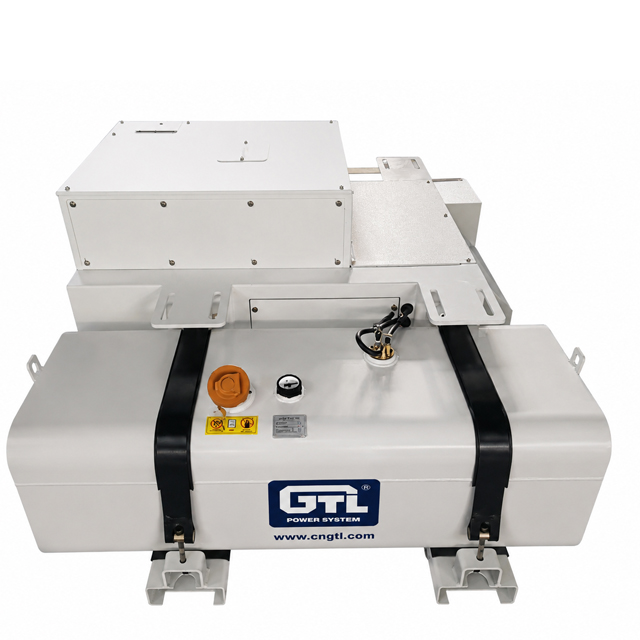
Selecting the right physical architecture dictates how your fleet operates daily. Buyers must choose a mounting configuration based on logistics patterns and asset ownership. The two dominant designs cater to very different operational realities.
Underslung generators bolt permanently to the container chassis frame. They sit beneath the primary cargo area, integrated tightly into the trailer structure. Fleet operators favor them for dedicated trucking routes.
Clip-on units mount directly to the upper front wall of the container. They attach tightly using specialized clamps and locking pins. This design dominates highly flexible, multi-modal transport networks.
To clarify the operational trade-offs, review this simple configuration chart regarding refrigerated container power management:
| Mounting Type | Attachment Location | Primary Advantage | Key Drawback |
|---|---|---|---|
| Underslung | Chassis Frame | Better highway stability and aerodynamics | Ties the chassis to the container |
| Clip-On | Container Front Wall | Independent multi-modal mobility | Requires forklifts for installation |
Properly sizing your equipment prevents voltage drops and mechanical failures. You must align power output and fuel capacity with operational duration. Ignoring these variables leads to inadequate cooling and ruined cargo.
Modern refrigerated shipping units operate on strict electrical standards. Typical power output requirements demand 460V, 3-phase, 60Hz electricity. The generator must deliver clean, consistent voltage to drive heavy-duty compressors and evaporator fans. Sudden voltage dips cause compressor motors to stall or overheat. High-quality alternators handle the initial surge demand when cooling cycles activate.
You must carefully evaluate 20FT 40FT reefer container variables. Differentiate power draw based on container volume and ambient temperature extremes. A 40-foot container holds twice the air volume of a 20-foot unit. Consequently, its compressor runs more frequently to combat external heat penetration. Moving through desert climates forces the cooling system to operate at maximum capacity. Your generator must possess the continuous wattage rating to support peak load demands under harsh sunlight.
Fuel autonomy dictates your maximum safe transit time. Standard fuel tanks range from 50 to 130 gallons. Compare these tank capacities against expected multi-modal run times. Deep-frozen cargo often allows the compressor to cycle off periodically once temperatures stabilize. Conversely, chilled fresh produce requires continuous fan operation to prevent localized freezing and maintain tight tolerances. This continuous electrical draw dramatically impacts your overall fuel burn rate. Plan for worst-case traffic delays when calculating required fuel reserves.
Purchasing reliable equipment requires a vendor-neutral evaluation matrix. Avoid focusing solely on initial acquisition costs. You must evaluate the long-term viability of the hardware across demanding supply chain environments.
Deploying generators across a logistics network introduces tangible friction. Recognizing maintenance realities and physical hazards separates successful operations from catastrophic failures.
Pre-Trip Inspections (PTI) represent your first line of defense. Mandate standardized checklists before every deployment. Technicians must verify engine oil levels, engine coolant strength, and drive belt tension. They should inspect electrical receptacles for corrosion. Skipping the PTI guarantees eventual roadside failures. A rigorous, documented inspection protocol catches minor issues before they ruin cargo.
Fuel management and theft remain persistent industry headaches. Diesel siphoning happens frequently in unsecured freight yards. Address this reality proactively. Install anti-theft fuel caps and secure tank baffles. Utilize telematics to trigger instant alerts for sudden fuel drops. A stolen tank of diesel leaves your reefer container generator dry, resulting in immediate cargo spoilage.
Vibration and mechanical wear destroy poorly maintained equipment. Acknowledge the harsh physical environment these machines endure. Railway shunting subjects the frame to violent impacts. Highway vibration loosens critical electrical connections. Inspect mounting bolts and wiring harnesses regularly. Structural integrity degrades over time, requiring proactive replacement of shock mounts and worn cables.
A reefer generator functions as a mandatory investment in risk management, not a simple logistical accessory. It sustains cargo viability across the most vulnerable stretches of the supply chain. Prioritizing robust telematics, emission compliance, and appropriate mounting configurations protects your high-value assets.
Logistics managers should audit their current multi-modal handoff times immediately. Evaluate your existing chassis fleet structure before standardizing a specific mounting type. Review historical temperature deviation logs to identify vulnerable transit legs. Armed with this data, you can request accurate quotes and deploy the exact power solutions your fleet requires.
A: Runtime varies heavily based on tank size, ambient temperature, and cargo setpoint. A standard 50-gallon tank usually provides 2 to 3 days of continuous operation. Larger 130-gallon tanks can run for 4 to 5 days. Extreme heat or continuous fan operation for chilled goods accelerates fuel consumption significantly.
A: The reefer unit contains the actual cooling machinery, including the compressor, evaporator, and fans. It controls the internal climate. The genset (generator set) acts solely as the mobile power plant. It features a diesel engine and alternator that generate the electricity required to run the reefer unit.
A: Yes, you generally can. The power output standards, typically 460V 3-phase, remain standardized across both container sizes. However, a 40-foot container possesses a much larger volume. It will draw maximum electrical load more frequently to maintain temperatures, which reduces overall fuel efficiency compared to a 20-foot unit.
A: The industry is slowly transitioning toward zero-emission technologies. Fully electric and hybrid models exist, but they face current limitations. Range constraints, battery weight, and a lack of standardized charging infrastructure at rail yards hinder widespread adoption. Diesel remains the most reliable standard for long-haul multi-modal transport today.


