

Views: 0 Author: Site Editor Publish Time: 2026-09-10 Origin: Site


Modern facility managers face a tough energy challenge today. You must balance the absolute need for resilient backup power against tightening environmental regulations. Fuel availability and strict emission laws further complicate this delicate balancing act.
We are seeing a massive shift away from traditional diesel systems. Facilities now favor gas-powered alternatives to handle both prime and standby power needs. This transition addresses both local air quality mandates and long-term fuel storage headaches. Heavy reliance on bulk diesel storage is rapidly becoming a liability for many urban facilities.
This article provides an objective, technical evaluation of gas generation systems. We will explore how this technology aligns with site requirements and compliance mandates. You will learn the mechanics, core applications, and implementation realities. These insights will ultimately help you make an informed, confident procurement decision for your site.
To evaluate this technology properly, you must first understand its fundamental mechanics. A gas generator operates as a fully integrated power system. It pairs a specialized internal combustion engine with an alternator to produce electricity. Manufacturers design these units specifically to burn gaseous fuels safely and efficiently.
The operational mechanism relies on a spark-ignited internal combustion process. This contrasts strictly with the compression-ignition process found in diesel engines. In a gas system, air and fuel mix before entering the cylinder. A spark plug then ignites this precise mixture. Diesel engines, conversely, rely purely on high compression to spontaneously ignite liquid fuel. The spark-ignition method requires tighter control over the air-fuel ratio to maintain stability.
The design architecture of these systems focuses heavily on precise fuel metering. Primary components include the gas regulator, the air-fuel mixer, the engine block, the alternator, and the digital control panel. The regulator drops the incoming gas pressure to a usable level. The mixer then blends the gas with intake air. The control panel constantly adjusts this mixture based on load demand. This ensures the alternator produces a stable, consistent voltage output under varying conditions.
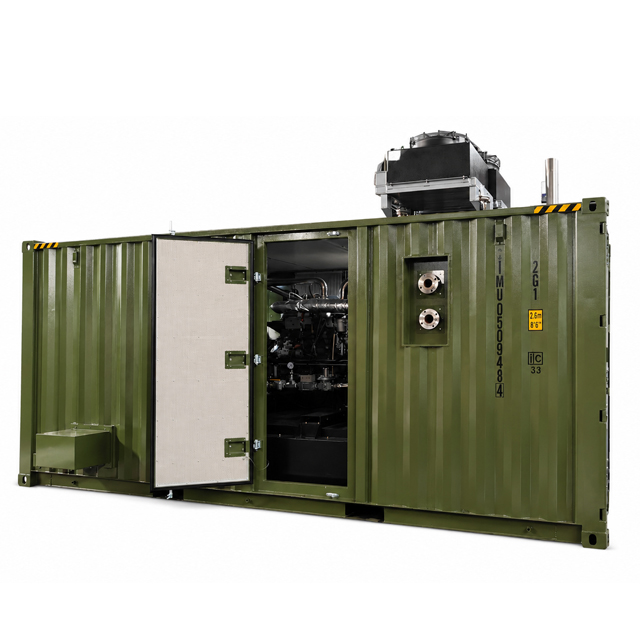
Choosing the right equipment largely depends on your available fuel source. The physical state of the fuel dictates the engine design and site infrastructure. We classify these systems into three main categories based on the fuel they consume.
These units are plumbed directly into municipal utility lines. They draw methane-rich gas straight from the local grid. This mechanism provides a continuous, reliable fuel feed without requiring on-site storage tanks. A natural gas generator is best for commercial facilities, hospitals, and urban residential setups. They offer indefinite standby power capabilities. Facility managers love them because they completely eliminate fuel delivery logistics during severe weather events.
This specialized category captures methane produced from organic waste breakdown. The fuel typically comes from anaerobic digesters. A biogas generator is best for wastewater treatment plants, large agricultural facilities, and municipal landfills. However, the implementation reality presents unique engineering challenges. The raw gas contains high levels of moisture, hydrogen sulfide, and siloxanes. You must install robust gas scrubbing and pretreatment systems before the fuel enters the engine. Otherwise, siloxanes will form glass-like deposits on the spark plugs and valves.
These units run on propane stored in on-site pressurized tanks. The fuel remains liquid under pressure and vaporizes when released into the engine. This category is best for remote, off-grid locations. They thrive where pipeline infrastructure simply does not exist. Propane boasts an incredible shelf-life. It does not degrade, gel, or grow microbes over time like diesel fuel. This makes it an exceptionally reliable standby fuel for isolated telecom towers or remote backup stations.
| Fuel Type | Storage Method | Ideal Application | Key Challenge |
|---|---|---|---|
| Natural Gas | Utility Pipeline | Urban Hospitals, Data Centers | Grid dependency during earthquakes |
| Biogas | On-site Digester | Landfills, Agriculture | Requires heavy gas pretreatment |
| LPG / Propane | Pressurized Tanks | Remote Off-grid Sites | Tank refilling logistics |
Facilities deploy these systems across various operational modes. Each application demands a specific engineering approach to ensure reliability and performance. We categorize these deployments into three primary use cases.
In many remote sectors, the utility grid is either entirely unavailable or prohibitively expensive to connect. Operators use gas engines for continuous, prime power. The success criteria here hinge on uninterrupted operation. We frequently see these deployments in remote mining camps, offshore oil and gas platforms, and islanded microgrids. They run 24 hours a day, seven days a week. Engines in this category feature heavy-duty blocks and specialized cooling systems to withstand continuous thermal stress.
Downtime is not an option for data centers, telecommunication hubs, and healthcare facilities. These sites deploy gas units for mission-critical standby power. The success criteria revolve around sustaining operations seamlessly during extended grid outages. They prove especially valuable in dense urban areas. Local fire codes often strictly limit or outright ban large diesel storage tanks inside city limits. Tapping into underground gas lines solves this regulatory hurdle instantly.
Facilities can leverage their onsite equipment to actively manage their utility usage. This strategy integrates your generation assets with smart grid technology. You run the generators to supply facility power during peak utility rate hours. This reduces the load you pull from the grid when electricity prices hit their daily maximum. The success criteria focus on intelligent synchronization controls. Generating your own clean energy power during these windows significantly lowers overall facility energy expenditures.
Selecting a power system requires a careful evaluation of site-specific constraints and regulatory environments. You must look beyond simple horsepower ratings. A comprehensive framework helps you determine if a gas genset fits your long-term operational strategy.
Environmental regulations are becoming stricter globally. You must evaluate how new equipment supports your corporate sustainability initiatives. Gas engines inherently produce lower emissions than their liquid-fuel counterparts. They emit significantly lower levels of Nitrogen Oxides (NOx) and Particulate Matter (PM). This cleaner combustion profile makes it far easier to meet strict EPA (Tier 2 through Tier 4) requirements. Furthermore, it simplifies compliance with stringent local air quality districts, such as those found in California or dense European cities.
Facilities rarely stay the same size forever. Your power demands will likely grow. Instead of buying one massive unit, you can deploy multiple smaller gas units. You parallel them together to meet large megawatt demands.
This approach offers superior flexibility rather than relying on a single, oversized machine.
Every technology carries inherent risks. Acknowledging these realities upfront allows you to design effective mitigation strategies. Facility managers must prepare for the unique physical behaviors of gas engines.
By connecting to the local utility grid, you inherit its vulnerabilities. You must address the risk of pipeline disruption. Major seismic events can sever underground lines. Additionally, extreme cold weather can cause localized pressure drops across the municipal network. If the pressure drops below the engine's required minimum, the generator will shut down to protect itself. Sites in earthquake zones often mitigate this by installing a dual-fuel system or keeping a small propane reserve onsite.
You must transparently acknowledge the physics of spark-ignited engines. They accept large block loads slightly slower than diesel engines do. When a massive motor starts, it draws a massive surge of current. A gas engine's air-fuel mixture takes an extra fraction of a second to adjust to this sudden demand. This can cause momentary voltage dips. Engineers mitigate this slower transient response through proper sizing. You can also utilize programmed step-loading sequences. Alternatively, pairing the generator with a robust Uninterruptible Power Supply (UPS) easily bridges this momentary gap.
Gas engines require different maintenance routines than liquid-fuel engines. You do not have to polish fuel or replace degraded diesel. However, the higher combustion temperatures take a toll on engine internals. Highlight these specific requirements in your maintenance budget:
Once you understand the benefits and risks, you can begin the actual procurement process. You need a structured approach to filter out incompatible equipment. Follow this logic to narrow down your options.
Never guess your power requirements. You must conduct a detailed load profile. Differentiate clearly between running wattage and starting (surge) wattage. Electric motors, HVAC systems, and large pumps require massive inrush currents to start. If you only calculate the running wattage, you will severely undersize the unit. The engine will stall when large loads activate. Use a power quality analyzer on your main electrical panel to capture true peak demands.
Before purchasing equipment, verify your physical site capabilities. You must inspect your utility gas meter. Does it have the volumetric capacity to feed a large industrial engine? You must also verify pipe sizing requirements. The pipe run from the meter to the generator must maintain adequate pressure delivery. A pipe that is too narrow or too long will starve the engine of fuel. Finally, research local permitting laws regarding noise ordinances and exhaust routing.
The machinery is only as good as the team supporting it. When evaluating potential vendors, look past the initial price tag. You are entering a long-term partnership. Demand clarity on their service capabilities.
Transitioning to gas-powered generation is a highly strategic move for modern facilities. While these systems require specific infrastructure and careful fuel planning, their advantages are undeniable. The favorable emission profiles make permitting significantly easier. Furthermore, tapping into a continuous pipeline supply eliminates the anxieties of managing degrading diesel fuel.
You now understand the mechanical differences, the fuel categories, and the unique transient response behaviors. Use this knowledge to guide your next actions. Begin by organizing a comprehensive site power audit. Calculate your surge wattages accurately. Next, consult with a certified application engineer to evaluate your local gas meter pressure capabilities. Only after verifying these technical details should you begin drafting a formal Request for Proposal (RFP).
A: A unit connected to a municipal pipeline has a virtually unlimited fuel supply. However, continuous runtime is limited by engine maintenance intervals. Most manufacturers require you to shut the unit down every 150 to 250 hours to check the oil, inspect spark plugs, and perform basic thermal inspections. You cannot run them indefinitely without pausing for standard mechanical servicing.
A: Generally, yes, regarding daily operational fuel expenses. Natural gas prices from municipal utilities are historically more stable and often lower per kilowatt-hour generated than delivered diesel fuel. Furthermore, you avoid the ongoing costs of seasonal fuel polishing, tank cleaning, and disposing of degraded liquid fuel. However, upfront equipment prices are typically higher for gas units.
A: These systems feature highly sensitive low-pressure fault sensors. If extreme cold or utility issues cause the pipeline pressure to drop below the engine's required threshold, the sensors trigger an automatic shutdown. This immediate action prevents the engine from running on a severely lean fuel mixture, which could cause catastrophic internal engine damage.
A: Yes, but it requires mechanical modifications. Converting from natural gas to propane involves changing the carburetor jets, adjusting the air-fuel mixer, and updating the digital control panel settings due to differing energy densities. Some manufacturers also offer dedicated bi-fuel systems that can automatically switch between natural gas and a secondary onboard propane reserve during emergencies.


