

Views: 0 Author: Site Editor Publish Time: 2025-09-23 Origin: Site


The global air compressor market reached values between USD 18.04 billion and USD 19.1 billion in 2024.
Asia Pacific holds a 43.29% market share, and the U.S. market is growing quickly.
An air compressor makes air pressure higher. This helps with jobs like filling tires and running tools.
You must take care of your compressor often. Always check it before you use it. This keeps it safe and working well.
Pick the right air compressor for what you need. Some are for homes, and some are for big jobs.
Learn about the parts of an air compressor. Parts like the motor and pump are important. This helps you use it safely and well.
New compressors use smart technology. This saves energy and helps them work better. It also makes your work easier.
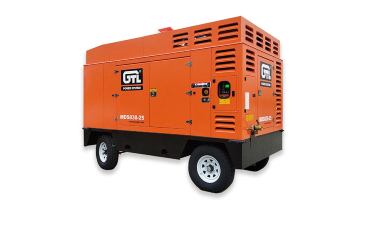
Have you ever wondered what an air compressor does? An air compressor is a machine that makes air stronger by squeezing it. People use it to make a strong blast of air for different jobs. According to engineers, an air compressor has some main parts and features:
It is a compressor made to squeeze air.
It has an opening that lets in air from outside.
It has one or more parts that press the air.
It uses machines and drivers to power these parts.
It often has extra tools to help it work better.
When you look at air compressors, you see machines that pull in air and push it into a small space. This makes the air pressure go up. You can find air compressors in many places, like workshops and building sites.
At GTL, I have many kinds of air compressors. My air compressors come in many sizes and types. You can pick the one that fits your needs. If you want a small air compressor for your house or a big one for work, my products will work well for you.
The main job of an air compressor is to take air from around you and make it higher pressure. This gives you compressed air that holds energy. You can use this energy to power tools, fill tires, or clean things. Air compressors change machine power into energy stored in air. You can use this energy when you need a strong burst of air.
Why do you need higher pressure? Using compressed air helps you finish jobs faster and easier. For example, you can use air compressors with paint sprayers, nail guns, or big machines in factories. Being able to control and use high-pressure air makes air compressors useful in many jobs.
Tip: Always pick an air compressor that fits your job. If you need help, you can read reviews or ask me for advice. Many people say my GTL air compressors are simple to use and last a long time.
If you want to see all the air compressors I have, you can visit my product page. You will find lots of details about each model, like features and specs.
You might wonder how air compressors turn regular air into compressed air. The process follows a series of simple steps. You can see these steps in many types of air compressor machines. Here is how air compressors work:
Inspect all electrical wires for damage. Make sure the machine is grounded before you start.
Point air nozzles and tools in a safe direction. Secure your hair and clothing away from moving parts.
Keep a shutoff valve close by. You can use it to stop the air supply quickly if needed.
Watch the pressure gauges. Do not let the pressure go above the maximum working level.
Check air hoses for any damage. Make sure they are tightly connected.
Use hoses and fittings that can handle more pressure than your air compressor produces.
Perform regular maintenance. Bleed off air pressure and disconnect hoses before you service the machine.
You follow these steps to keep your air compressor working safely and efficiently. Each step helps you avoid problems and keeps your compressed air supply steady.
Note: Always check your air compressor before each use. Regular inspections help you catch issues early and keep your machine running smoothly.
You may ask, "What happens inside the air compressor when it squeezes air?" The answer depends on the type of compressor you use. Each type uses a different method to create compressed air and release it. The table below shows how some common compressors work:
Type of Compressor | Description |
|---|---|
Centrifugal Compressor | Spins a disk with vanes to push air outward. This reduces the air's volume and increases its speed. |
Axial-Flow Compressor | Uses several disks with airfoils. Each disk compresses air a little more, often used in engines. |
Positive-Displacement | Squeezes air by reducing its volume. You find this type in many industries and home applications. |
When you use an air compressor, the machine pulls in air and traps it in a small space. The compressor then squeezes the air, which raises the pressure. The compressed air moves into a storage tank. When you need it, the machine releases the air through a hose or nozzle. You get a powerful burst of air that can clean, fill, or power tools.
You control the pressure using gauges and valves. If you want more compressed air, you let the compressor run longer. If you need less, you release air slowly. Air compressors give you control over how much power you use for each job.
Tip: Always match your air compressor's pressure rating to your tools. Using the right pressure keeps your tools working well and helps you stay safe.
Inside an air compressor, you see many important parts. These parts work together to make compressed air. Each part has its own job. Knowing about these parts helps you use the machine safely. It also helps you use it well.
The motor is a key part of the air compressor. It gives power to the machine. Most motors use electricity. Some motors use gasoline for portable compressors. The motor changes energy into movement. This movement makes the pump work. You should look at the motor often for damage. Good care helps the compressor last longer.
Motors send power to the pump.
Belts link the motor and pump in many machines.
Checking the motor often stops problems.
The pump is the part that squeezes the air. It pulls air in and presses it to make high pressure. Compressors use different pumps like piston, rotary-screw, or scroll pumps. These pumps use positive displacement to make air smaller and raise pressure.
The pump makes a vacuum to get air.
It squeezes air to make pressure go up.
Oil pumps and lubrication help stop friction and wear.
Tip: Clean the pump and look for leaks often. This helps your compressor work longer.
The air tank holds compressed air until you need it. When the pump fills the tank, you get steady high-pressure air. Tanks come in many sizes for different needs. Drain valves let you take out water from the tank.
Component | Function |
|---|---|
Air Tank | Holds compressed air for later use |
Drain Valve | Takes out water from the tank |
Safety Relief Valve | Lets out extra pressure to stop accidents |
Note: Always drain the tank after you use it. This stops rust and keeps your compressor working well.
New air compressors use controls and sensors to stay safe and work well. These parts watch pressure, temperature, and air flow. Pressure switches turn the compressor on or off when needed. Sensors find vibration, water, and heat changes.
Pressure and temperature sensors check the machine.
Flow meters show how much air moves.
Dew-point sensors watch water in the air.
Safety pressure relief valves stop too much pressure.
Start/stop logic helps the compressor run smoothly.
You should check these controls often. Watching them helps stop problems and keeps your compressor working well.
When you look for an air compressor, you see many kinds. Each kind works in its own way and fits certain jobs. You can pick the best one by learning how each works and where to use it.
Here is a table that shows how compressors are grouped:
Category | Type of Compressor |
|---|---|
Operating Principle | Dynamic Compression |
Positive Displacement Compression | |
Main Types | Axial Flow Compressors |
Centrifugal Compressors | |
Piston Compressors | |
Rotary Compressors |
You find piston compressors in many shops and garages. These machines use pistons to squeeze air into a small space. This makes the air pressure go up. You get strong air for tough jobs. These compressors are easy to use and fix. They cost less than other types and last a long time.
Key features:
Good price for most people
Easy to use and fix
Makes strong air for hard jobs
Tough design for rough places
Used in cars, factories, farms, hospitals, food, and building
If you need air for filling tires or using tools, a piston compressor works well. You can pick small ones for home or big ones for work.
Rotary screw compressors use two screws to squeeze air. When the screws turn, air goes in and gets pressed. This gives you a steady flow of strong air. These compressors save energy and work quietly. They are good for jobs that need air all the time.
Feature | Rotary Screw Air Compressors | Other Types of Compressors |
|---|---|---|
Efficiency | Saves energy and works well | Changes |
Stability | Steady and strong | Not as steady |
Noise Level | Quiet | Louder |
Initial Investment | Costs more at first | Usually costs less |
Maintenance Requirements | Needs good oil | Changes |
You see rotary screw compressors in big shops and factories. They cost more at first, but you save money later. They use less energy and need fewer repairs.
Some compressors work in special ways for different jobs. Axial compressors are used in jet engines and power plants. Centrifugal compressors use spinning parts for big jobs in factories. Rotary vane compressors use moving vanes to press air. Scroll compressors use spirals and are quiet for air systems.
Other types include:
Rotary vane compressors for factories
Scroll compressors for air and small systems
Centrifugal compressors for big places
Axial compressors for planes and ships
You pick these compressors when you need special things or work in special places. Each kind gives you different air pressure and power.
Tip: Always pick the right compressor for your job. If you need help, ask someone who knows or check product details to find the best one.
Air compressors help with many jobs at home. They make projects easier and faster to finish. You can use one machine for many tools. It can power tools for painting, nailing, or cleaning. People use compressors to fill tires or blow dust away. They also use them to run small sanders. If you like fixing houses or doing crafts, compressed air saves you time and work.
Nail guns get power for building decks or furniture.
Paint sprayers give smooth coats on walls or things.
Strong air blasts clean tools or work areas.
You can fill up sports balls, bike tires, or pool toys.
Tip: Check the pressure before you use your compressor at home. This keeps your tools safe and working right.
Factories and workshops need air compressors for many jobs. They help run machines and move things around. Pneumatic tools also need them to work. Many businesses use compressors for jobs that need strong, steady air. Newer compressors save energy by stopping leaks and using smart controls. Some models use up to 36% less energy. This helps you spend less money and makes your machines last longer.
Stop air leaks to save more energy.
Change pressure settings to use less power.
Use cooler air to help the compressor work better.
Take heat from compressors to cut down waste.
Smart systems help control the compressor when not in use.
Compressor Type | Starting Amps | Running Amps |
|---|---|---|
Average 7.5HP Reciprocating | 215 | 50-70 |
New SMART AIR | 15 | < 15 |
Note: Check and fix your compressor often. This helps it last longer and keeps it safe.
Auto shops always have air compressors. They help clean engine parts and fill tires fast. Mechanics use them to blow dust out of small spaces. Compressors also power tools like wrenches, sandblasters, and paint sprayers. These tools help fix cars quickly and do a better job.
Use strong air to clean and wash engines.
Power tools like air ratchets, sandblasters, and paint sprayers.
Fill tires fast and use tire changers.
Run special tools that need compressed air.
Remember: Wear safety glasses and gloves when you use pneumatic tools in the shop.
You now know how an air compressor works. It helps you use tools and finish jobs faster. Air compressors save time and help you do more work. They are useful at home and in factories. The table below shows what experts look for when picking compressors:
Key Factors | Description |
|---|---|
Industry Requirements | Pick a compressor for your job |
Energy Efficiency | Use less power and save money |
Environmental Factors | Work well in any place |
Smart technology like IoT and AI make compressors easier to check and fix.
Air compressors help you finish work quickly and save money.
Small size and quiet sound make them good for homes and shops.
You can choose a model that fits your space and needs.
If you want to make your work or projects better, think about using an air compressor.
You should look at the job you want to do. Check the air pressure and flow your tools need. Pick a compressor with enough power and tank size. Read user reviews for real experiences.
You should check your air compressor before each use. Clean filters and drain the tank weekly. Inspect hoses and connections monthly. Regular care helps your compressor last longer.
Yes, you can use an air compressor for painting walls or cleaning surfaces. Attach a paint sprayer or air nozzle. Adjust the pressure for your task. Always wear safety gear.
Always read the manual first. Wear eye protection and gloves. Keep hair and clothing away from moving parts. Never exceed the maximum pressure. Use hoses rated for your compressor.
You can visit GTL’s product page for detailed specs and user reviews. GTL offers trusted air compressors for home, automotive, and industrial use. Contact us for expert advice and fast delivery.


