

Views: 0 Author: Site Editor Publish Time: 2025-08-13 Origin: Site


Imagine you’re at home when a sudden outage hits. The lights go out, and you wonder how long the power will stay off. You need a generator that can handle power outages and keep your home running. Picking a good diesel generator makes all the difference. A reliable generator gives you peace of mind during any outage. You don’t need to be an expert. With the right steps, you can choose a good diesel generator that fits your home and keeps your power secure.
Add up the running and starting wattages of your important appliances. This helps you know how much power you need. Pick a generator size that matches your needs.
Pick a generator type that matches how you will use it. Standby generators are good for backup at home. Portable generators are good for outdoor use.
Check for features like fuel efficiency, noise level, and safety. These features help your generator work well and keep you safe.
Take care of your generator often. Check the fuel, oil, and batteries. Keep it clean so it does not break down.
Use a checklist before you buy a generator. Compare brands, warranty, and installation. Plan for extra power and fuel storage.
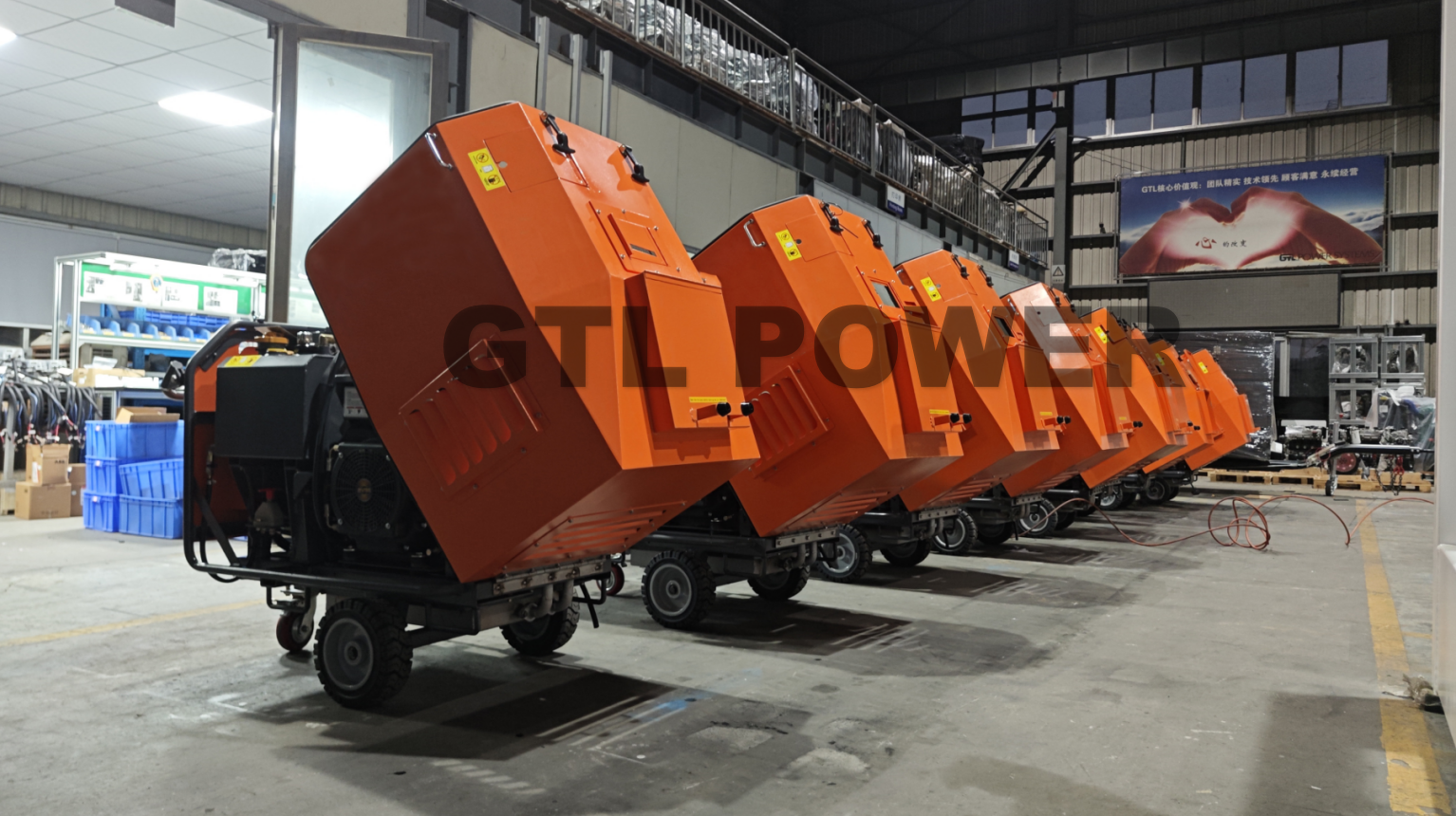
Picking the right diesel generator starts with knowing your power needs. If you skip this, your generator might be too small or too big. Let’s look at how to find the right size and capacity for your home or business.
You need to know how much power your appliances use. First, make a list of what you want to run during an outage. This can be lights, refrigerators, air conditioners, computers, and other things. Every item has a wattage number on its label or in its manual.
Tip: Write down both the running wattage and starting wattage for each appliance. Some things, like refrigerators or pumps, need more power to start.
Here’s an easy way to add up your total power:
List all appliances and equipment you want to use.
Find the running wattage for each item.
Find the starting wattage for things with motors or compressors.
Add up all the running wattages.
Add the highest starting wattage to the total running wattage.
Appliance | Running Wattage | Starting Wattage |
|---|---|---|
Refrigerator | 150 | 600 |
Air Conditioner | 1000 | 2000 |
Lights (total) | 300 | 300 |
Computer | 200 | 200 |
Water Pump | 500 | 1500 |
For example, if your total running wattage is 2150 and your highest starting wattage is 2000, your generator should have at least 4150 watts. This makes sure your generator can handle all your power needs.
Think about which appliances matter most to you. These are your essential appliances. At home, you might pick the refrigerator, lights, and some outlets. At work, you may need computers, security systems, and air conditioning. If you have a workshop, you might need power tools and heavy equipment.
Make a checklist of your must-have appliances.
Decide if you want to power everything or just the important things.
The more you add, the bigger the generator you will need.
GTL has helped many people in different jobs, like hospitals, hotels, and construction sites. They know how to match the right generator to your needs. Their experience helps you get a solution that fits your power needs.
Note: Always plan for a little extra capacity. This helps if you add more appliances later or if your load gets bigger.
By following these steps, you can pick a diesel generator with the right size and capacity. You will not overload your generator. Your power will stay on when you need it most.

You want your house to be safe during a power outage. A generator can keep your lights working and your food cold. Many people pick a diesel generator for full-home backup. This lets you use all your home appliances, like the refrigerator, air conditioner, and washing machine. Some families only need to run a few things, like lights and the TV. Others want whole-house generators to power everything.
Here is a simple list of things you might want to use at home:
Refrigerator and freezer
Lights in every room
Heating or cooling systems
Medical equipment
Internet and computers
If your house is big, you may need a larger generator. If your house is small, a smaller one is fine. Always be ready for an emergency. You never know how long the power will be out. Good power keeps your family safe and your house working.
Tip: Write down your most important appliances before picking a generator.
Businesses need backup power to keep working during an outage. If you have a store, you want the lights, cash registers, and security systems to work. In factories, you need to keep machines and safety systems running. Hospitals and emergency centers must always have power. A diesel generator gives you peace of mind and keeps your business open.
Some businesses need more than one generator. You can use a table to plan your power needs:
Area | Equipment Needed | Power Needed (Watts) |
|---|---|---|
Office | Computers, lights | 2000 |
Storefront | Registers, lights | 1500 |
Warehouse | Security, lighting | 1000 |
A good backup plan helps you avoid problems and keeps your team safe.
Sometimes you need power away from home or work. Outdoor events, camping trips, or building sites all need a portable generator. These generators are easy to move and set up. You can use them for emergency lights, sound systems, or tools. If you like camping, a small generator can run your lights and charge your phone. For bigger outdoor jobs, pick a diesel generator with more power.
Always check the fuel level and keep your generator ready for any emergency. Portable units give you backup power wherever you go.
You have to pick between standby and portable diesel generator sets. Each one is good for different jobs and places.
Standby diesel generator sets stay in one spot. You put them at your house, business, or factory. They turn on by themselves when the power stops. These sets give steady power to places like hospitals and hotels. They connect to fuel and can run for days without stopping. Pick standby if you want the most power and trust it will work.
Portable diesel generator sets are easy to move. You can take them to many places. They are great for outdoor parties, building sites, or emergencies. You start them by hand and add fuel when needed. Portable sets give you power where you need it. Choose portable if you want to move it and set it up fast.
Tip: Think about what you need most. If you want backup power for one place, pick standby. If you need power in many places, pick portable.
You also need to choose the right kind of electrical output. Diesel generator sets come in single-phase and three-phase types.
Type | Best For | Capacity Range |
|---|---|---|
Single-phase | Homes, small offices | Up to 15 kW |
Three-phase | Factories, large sites | 15 kW and above |
Single-phase diesel generator sets are best for homes and small offices. They can run basic things like lights and computers. Three-phase diesel generator sets are for big buildings and factories. They give more power and work better for heavy machines.
When you pick a diesel generator set, look for features that fit your needs. GTL has many choices:
Open skid diesel generator sets are easy to fix and check.
Weatherproof diesel generator sets work outside in rain or dust.
Soundproof diesel generator sets are quiet for hotels or hospitals.
Customizable diesel generator sets can be made to fit your needs.
These sets work well and last a long time. GTL’s diesel generator sets help many jobs, like building and healthcare. You can pick the right size and power for your work. They also have smart control panels and are easy to take care of.
Note: Always look at the features before you buy. The right diesel generator set gives you the power and trust you need.
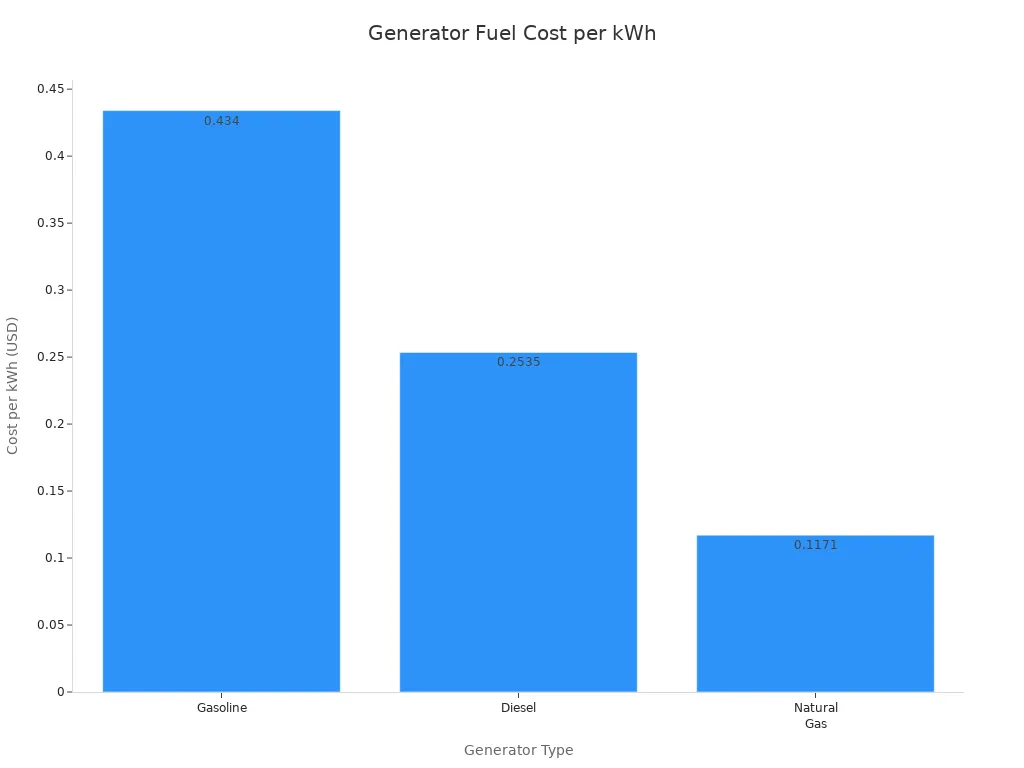
Fuel efficiency is very important when picking a generator. You want a generator that uses less fuel but gives more power. Diesel generators use less fuel than gasoline ones. This means you can run them longer before refilling. Look at this table to see how different generators use fuel and cost money:
Generator Type | Power Output (kW) | Fuel Consumption per Hour | Fuel Cost per Unit | Cost per Hour | Cost per Day (24h) |
|---|---|---|---|---|---|
Gasoline | 5 | 0.75 gallons | $2.89/gallon | ~$2.17 | ~$52 |
Diesel | 20 | 1.6 gallons | $3.17/gallon | ~$5.07 | ~$122 |
Natural Gas | 7 | 118 cubic feet | $3.25/1000 cu ft | ~$0.82 | ~$19.68 |
Diesel generators make more power and use fuel better than gasoline ones. They cost more per hour than natural gas. But diesel generators are good if you need strong and steady power.
You want your generator to last a long time during an outage. Diesel generators have bigger tanks and use fuel well. They can run for many hours without stopping. Some can work all night or even a whole day. Always check the tank size and how long it can run before you buy. If you need power for a long time, pick a generator with a long runtime.
Tip: Store extra fuel in a safe place. This way, you can refill your generator if the power stays off for a long time.
Generators can be loud, but you have choices. Some diesel generators have covers that make them quieter. If you use your generator at home or in a quiet spot, get one with low noise. Soundproof generators are good for hotels, hospitals, or places that need quiet. Always check how loud the generator is before you buy.
Standard generators are louder and best for outside or big jobs.
Soundproof generators are quieter and good for homes and offices.
Safety is very important when using a generator. Here are some easy rules:
Put your generator outside, far from windows and doors.
Never use a generator inside or in a garage.
Let the generator cool before you add more fuel.
Use the right cords and do not overload the generator.
Keep kids and pets away from the generator when it is running.
If you follow these rules, you can use your generator safely and avoid problems.
You want to spend your money wisely when picking a generator. First, look at how much it costs to buy. Diesel generators can cost more at first, but they save money later. They use less fuel and last longer. Think about how much you will spend on fuel and fixing it. Check if the warranty is good and if you get help after buying. These things help you avoid problems and keep your power on.
Here’s a simple checklist to help you compare value:
Price when you buy it
How much fuel it uses
Cost to fix or keep working
How long the warranty lasts
Help after you buy
Tip: A longer warranty and good support mean less worry. You will pay less for repairs and have power when you need it.
You want a brand you can trust when picking a generator. Xiamen GTL Power System Co., Ltd is known for being reliable. They have over 15 years of experience in many countries. Their diesel generators come in open skid, weatherproof, and soundproof types. They also have lighting towers and air compressors for different jobs.
Customers like their products. Here is what a hotel manager said:
“GTL’s diesel generator kept our hotel running during a big outage. The setup was fast, and the team answered all our questions. We trust GTL for power every time.”
Good installation and regular checks keep your generator working well. If you set it up right, you avoid problems like too much noise or not starting. Always get a trained person to install it and follow the instructions.
Checking your generator often is important. Look at the fuel, oil, coolant, and batteries. Clean the generator and keep the area clear of animals and trash. Here is a table that shows why generators fail and how to stop it:
Common Reason for Generator Failure | Description of Failure Cause | Prevention Methods |
|---|---|---|
Fuel Issues | Bad or dirty fuel makes it hard to start, run badly, or clog filters. Leaks can cause stalling or rough running. | Change fuel filters every year, check fuel lines, test old fuel, and do regular maintenance. |
Battery Failure | Dead or weak batteries and dirty connections stop the generator from starting. | Check batteries, clean them, test them, keep connections tight, and change batteries every 3 years. |
Low Coolant / Antifreeze | Not enough or dirty coolant makes the engine hot and can shut it down. Wrong coolant can cause rust or clogs. | Check coolant levels, use the right mix, test and change coolant as needed. |
Lubrication Issues | Old or dirty oil causes parts to wear out and get too hot. Low oil can shut the engine down. | Check oil often, look for leaks, test oil, and change oil and filters on time. |
Lack of Maintenance | Dirty or worn parts and blocked cooling make the generator work badly. | Check and clean parts, change air filters and belts, and do regular maintenance. |
Rodent Damage | Animals can chew wires and make nests, causing shorts or fires. | Check and clean often, use things to keep rodents away, and block holes. |
Wet Stacking | Running with a light load causes fuel to build up and damage the engine. | Run the generator with enough load and test it to burn off extra fuel. |
Control Panel Issues | Broken panels can stop the generator or cause power problems. | Check and test panels, update software, fix damage, and stop rust. |
Overloading | Using too much power can make the generator hot and break parts. | Know the limits, manage loads, start things one at a time, and watch the load. |
Improper Installation | Bad wiring or poor setup can cause noise, heat, or not starting. | Use trained installers, follow rules and instructions, and put it in the right place. |
If you do these things, your generator will be ready when you need it.
Before you buy, use this checklist to help you pick the right generator:
Write down all things you want to power.
Add up the power each thing needs.
Choose between standby or portable generator sets.
Pick single-phase or three-phase based on your needs.
Compare brands for trust, warranty, and help.
Plan for good setup and regular checks.
Look at how much fuel it uses and how long it runs.
Read safety rules and local laws.
Make sure you have space for the generator.
Keep extra fuel and parts for emergencies.
Ready to start? Visit our diesel generator page to see all our products. If you have questions, our team at Xiamen GTL Power System Co., Ltd can help you pick the right generator. You can trust us for good power and great service.
You’ve learned how to choose the right diesel generator for your needs. Here’s what you should remember:
Figure out your power requirements.
Match your generator to your usage scenario.
Use the checklist before you buy.
Ask experts or trusted brands like Xiamen GTL Power System Co., Ltd for help.
Picking the right generator gives you peace of mind. You’ll stay powered up when it matters most.
Add up the watts for all your devices. Make sure you count both running and starting watts. If you are not sure, ask the experts at Xiamen GTL Power System Co., Ltd for help.
Never use a diesel generator inside.
Put it outside, far from windows and doors. This keeps you safe from dangerous fumes.
Check your generator once a month. Change the oil, look at the fuel, and test the battery. Doing regular checks helps your generator last longer and work when you need it.
Standby Generator | Portable Generator |
|---|---|
Stays in one place | Easy to move |
Turns on by itself | You start it by hand |
Good for homes and businesses | Best for outdoor use |
Most diesel generators run 8 to 24 hours on one tank. Bigger models can last even longer. Always look at your manual for the right answer.


