

Views: 0 Author: Site Editor Publish Time: 2025-08-11 Origin: Site


When you shop for a diesel generator, you will see words like kw, kva, and power factor. These numbers show how much power the generator can give your machines. Kw is the real power you use. Kva is all the power the generator can make, even the wasted part. The power factor tells how much of the generator’s power does useful work. If you choose the wrong size, you might waste energy or hurt your system. At Xiamen GTL Power System Co., Ltd, we know that learning these values helps you pick the right generator, save money, and keep your equipment safe.
KW shows the actual power your generator uses for machines and lights.
KVA is the total power your generator can give, even the wasted power.
Power factor tells how much of the generator’s power does useful work. A good power factor saves energy and keeps your system safe.
Always check KW, KVA, and power factor together. This helps you pick the right generator size. It also helps you avoid damage or extra costs.
Add extra power, about 25%, to your total needs. This helps with sudden demands and keeps your generator working well.

When you look at a diesel generator, you often see the term kw. This stands for kilowatts. Kilowatts measure the real power that your generator delivers to your equipment. You use kw to know how much actual work your generator can do. Think of kw as the strength your generator uses to run machines, lights, or tools. If you compare it to a car, kw is like the horsepower that moves the car forward. You want to focus on kw because it shows the usable power output, not just the total power the generator can produce.
Tip: Always check the kw rating before you choose a generator. This helps you match the generator’s power output to your needs.
The kw rating tells you the maximum real power your diesel generator can supply. You see this number on generator ratings and product labels. For example, if your generator has a kw rating of 100, it can deliver 100 kilowatts of real power to your devices. You should add up the power needs of all your equipment in watts or kilowatts. This helps you pick a generator with enough kw output. If your machines need 80 kilowatts, you need a generator with at least an 80 kw rating.
Here is a simple table to help you understand how kw relates to your power needs:
Equipment | Power Needed (watts) | Power Needed (kw) |
|---|---|---|
Lighting System | 10,000 | 10 |
Air Conditioner | 15,000 | 15 |
Water Pump | 5,000 | 5 |
Total | 30,000 | 30 |
You add up the kw for each device. The total tells you the minimum kw rating your generator should have. At Xiamen GTL Power System Co., Ltd, we help you find the right diesel generator by calculating your total power output needs. This ensures your generator runs smoothly and safely.
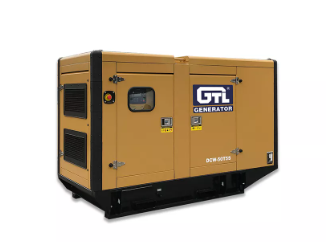
When you pick a diesel generator, you will see kva. Kva means kilovolt-amperes. This tells you the total power the generator can give. Apparent power is both real power (kw) and reactive power. Real power does work. Reactive power does not do work. You need to know the kva rating for your generator. It shows how much total power your generator must give. Add up the needs of all your equipment to get the apparent power.
Q: Why do you need to know apparent power?
A: Apparent power helps you choose the right generator. If you only look at kw, you might pick a generator that is too small.
Here is a simple table that shows the difference between kw and kva:
Term | Meaning | What It Measures |
|---|---|---|
kw | Real power | Usable output |
kva | Apparent power | Total demand |
You can find diesel generators, air compressors, and lighting towers at Xiamen GTL Power System Co., Ltd. We help you pick the right generator by adding up your apparent power needs.
Power factor (pf) is the ratio of kw to kva. Most generators use a power factor of 0.8. This means 80% of the power is real power. The other 20% is reactive power. A good power factor helps your generator work well. If the power factor is 1.0, all the power is real power. This is called unity power factor. It is best, but it does not happen often.
Tip: Always check the power factor when you look at generators. A good power factor means less wasted power and less work for your generator.
You use this formula:kw = kva × power factor
This helps you change kw to kva and pick the right generator. If your equipment needs 80 kw and the power factor is 0.8, you need a 100 kva generator. You should always match the generator to your needs and total power.
At Xiamen GTL Power System Co., Ltd, we have generators with standard power factor ratings. Our products are good for hotels, hospitals, and building sites. You can ask us for help with picking the right generator and knowing your power needs.
You see kw and kva on generator labels. These words look alike, but they are not the same. Kw means kilowatts. It shows the real power your generator gives to your machines. Kva means kilovolt-amperes. It shows all the power your generator can give, including real and reactive power. Knowing the difference helps you pick the right generator size.
Here is a table that shows how kw and kva are different:
Term | What It Means | What It Measures |
|---|---|---|
kw | Real Power | Usable output |
kva | Apparent Power | Total demand |
You use a formula to link kw and kva. The formula is:
kw = kva × power factor
Most generators use a power factor of 0.8. This means 80% of the total power is real power. To change kw to kva, divide kw by the power factor. To change kva to kw, multiply kva by the power factor.
Note: Always check both kw and kva before you pick a generator. This helps you avoid mistakes and keeps your machines safe.
If you choose a generator by only looking at kw, you can have problems. You may pick a generator that is too small. This can make your generator get too hot, break, or stop working. You need to look at kva and power factor when you pick your generator.
Here are some things that can happen if you ignore the difference between kw and kva:
Your generator may be too small if you forget the power factor.
Generators that work too hard can break early and stop working.
Low power factor from some machines can make your generator stop.
Utility companies may charge more if your power factor is low.
Bad power factor can waste energy, cause overheating, and shorten machine life.
Let’s see an example of how to change kw to kva:
You need a generator for machines that use 80 kw.
The usual power factor is 0.8.
Use this formula:
kva = kw ÷ power factor
Put in the numbers:
kva = 80 ÷ 0.8 = 100
You need a 100 kva generator to give 80 kw at a 0.8 power factor.
Tip: Always use the power factor formula when you pick your generator. This helps you stop overload and keeps your system safe.
If you forget the power factor and only look at kw, you may pay for repairs and lose time. One case showed a $250,000 generator broke after 18 months because the owner did not use a 0.7 power factor. Another case had a generator that kept stopping because the owner ignored the low power factor from some machines. These problems cost money and time.
You can stop these problems by knowing the difference between kw and kva. Always check what your machines need and the power factor. At Xiamen GTL Power System Co., Ltd, we help you pick the best generator for your needs. We use the right power factor and check both kw and kva so your generator works well and safely.
Getting the right size generator helps you save money. It also keeps your equipment safe. If you know about kw, kva, and power factor, you can pick the right generator. Your generator should meet what you need now and later. Here is a simple guide to help you size your generator:
Make a list of everything that needs power. Write down how much power each one uses when running and starting.
Look at your utility bills. Find the highest power use in the last year.
Figure out the full load. Multiply the current by the voltage for each device.
Add 25% more to your total. This helps with extra or sudden power needs.
Think about what kind of load you have. Motors, lights, and computers may need more starting power.
For loads with lots of motors, find the starting current. This is usually much higher than the running current.
If you do not have all the data, use real-time checks or guess based on your building size.
Always ask a professional to check your math. This makes sure you follow safety rules.
Tip: Plan for future needs and add extra power. This helps your generator last longer and work better.
At Xiamen GTL Power System Co., Ltd, we help you with every step. We have helped hotels, hospitals, factories, and building sites. Our team checks your load, demand, and power factor. We help you pick the best generator.
Many people make mistakes when picking a generator. These mistakes can waste money or break your equipment. Watch out for these common problems:
Picking a generator that is too small for your needs. This can make it work too hard and break.
Picking a generator that is too big. This wastes money and does not work well.
Forgetting to count both starting and running power for all equipment.
Not adding extra power for safety. You should always add at least 20% more.
Running your generator at full power all the time. This makes it wear out faster and work less well.
Note: Always think about power factor, kw, kva, and total load when you pick your generator. This helps you avoid repairs and keeps your equipment working.
When you work with us, you get expert help and good answers. We help you avoid mistakes and make sure your generator fits your needs.
Knowing how kw, kva, and power factor are different helps you pick the right diesel generator. You can make smarter choices when you know how much power your machines use. This keeps your equipment safe and helps you save money. If you want a generator that matches what you need, talk to us at Xiamen GTL Power System Co., Ltd. Our team will help you get the best power for your business.
Want to power your future? Reach out to our experts for a custom plan.
Term | Meaning | Use |
|---|---|---|
kW | Real power | Runs equipment |
kVA | Apparent power | Shows total capacity |
kW is for real work. kVA is for sizing your generator. You use kW when you want to know how much work gets done. You use kVA to see the total power the generator can give.
Power factor tells how much power does useful work. A good power factor means less wasted energy. It helps your generator run safely.
Write down all devices that need power. Add up their power needs in kW. Multiply the total by 1.25 for extra power. Check the power factor too. Ask Xiamen GTL Power System Co., Ltd if you want expert help.
One generator can do both jobs if sized right. Make sure it meets your highest power needs. Always check with Xiamen GTL Power System Co., Ltd for the best advice.
You get expert help and fast delivery. Our team helps with installation and fixing problems. We make sure your power stays on and works well.


