

Views: 0 Author: Site Editor Publish Time: 2026-09-17 Origin: Site


Remote job sites present extreme logistical hurdles for industrial contractors. From sprawling pipeline right-of-ways to isolated structural steel frameworks, these locations demand heavy-duty fabrication power. Often, grid power remains entirely non-existent or frustratingly unreliable in these environments. Teams cannot afford to halt progress just because local utility lines fail or do not exist. You need a reliable, self-contained micro-plant bridging this massive infrastructure gap. A robust engine driven welder solves this exact problem by delivering multi-process arc capabilities alongside critical auxiliary AC power. This dual functionality keeps entire work cells productive. This guide provides fleet managers, contractors, and procurement teams with an evidence-based evaluation framework. We will explore how to properly specify and deploy these resilient machines in harsh climates. Ultimately, you will learn practical strategies to minimize downtime and maximize remote operational efficiency.
Replacing independent generators and inverter welders creates immediate logistical advantages. A single, multi-function unit drastically reduces your overall payload weight. Service trucks face strict weight limits on public highways. Consolidating your power generation saves thousands of pounds. Maintenance tracking also becomes much simpler. Fleet mechanics only need to monitor one engine block instead of two separate power plants. This consolidation directly translates to higher uptime and fewer scheduled service interruptions.
Independent power ensures your job site maintains strict operational continuity. Structural repairs, pipe joining, and general fabrication must continue smoothly. Local utility failures will not derail your daily progress. Even if the primary site generator fails, a standalone unit keeps your fabrication crew active. This independence isolates your critical path tasks from broader site infrastructure issues.
High-amperage units easily support multi-operator capabilities. Modern industrial models can sustain two separate welding arcs simultaneously. Dual operators accelerate project timelines significantly on strict-deadline deployments. Running two welders off a single engine maximizes fuel efficiency. It also cuts the equipment footprint in half on crowded right-of-ways.
Standardization drives successful fleet integration. Deploying uniform portable welding equipment across various sites streamlines operations. Operator training becomes highly predictable. Crews easily move from one machine to another without a learning curve. Standardized equipment also limits the variety of consumable parts you must stock. Your inventory managers can order oil filters, fuel separators, and drive belts in bulk.
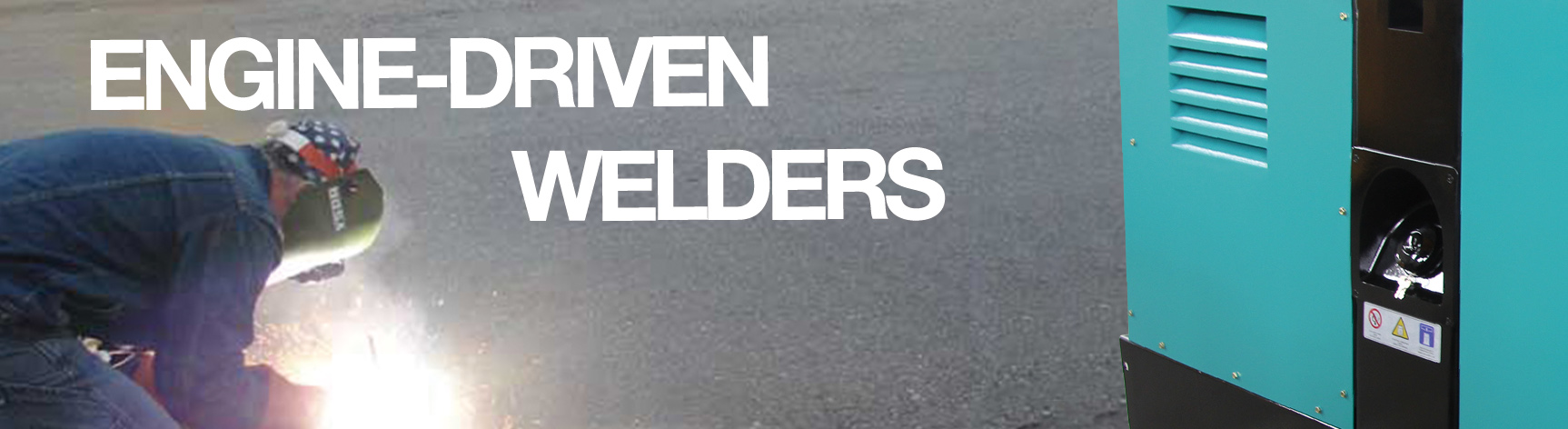
Choosing the right fuel ecosystem dictates long-term performance. You must weigh site infrastructure against capital expenditure limitations.
Heavy construction, mining, and pipeline operations rely almost exclusively on diesel power. This fuel type thrives under continuous heavy loads. A diesel welder generator offers absolute fuel parity with surrounding machinery. Excavators, dozers, and haul trucks already run on off-road diesel. Sharing a single fuel source eliminates complex logistics. You do not need to transport secondary fuel tanks into isolated areas.
Diesel platforms deliver distinct operational advantages. They boast a significantly longer engine lifespan. Internal components endure extreme compression ratios reliably. They also provide superior fuel economy when running large diameter electrodes. You will experience fewer refueling interruptions during a standard shift.
However, diesel units present specific trade-offs. They demand a higher initial capital expenditure upfront. The engine blocks feature heavy cast iron construction, increasing overall unit weight. You must also navigate stricter Tier 4 Final emissions compliance requirements. These emissions systems require periodic maintenance and specialized exhaust treatments.
Light-to-medium commercial contracting frequently utilizes gasoline power. Mobile repair trucks and agricultural maintenance crews favor these systems. They handle intermittent repair tasks perfectly. A gasoline unit fires up quickly for brief emergency fixes. You avoid the heavy payload penalties associated with larger diesel engines.
Gasoline models provide excellent upfront advantages. You enjoy a considerably lower acquisition cost. Their compact footprint saves valuable deck space on smaller service beds. Operators also benefit from easier cold-weather starting. Electronic fuel injection (EFI) systems eliminate the typical winter cranking struggles.
Despite these benefits, you must accept certain limitations. Gasoline systems exhibit higher fuel consumption rates under heavy load. The overall engine life remains shorter compared to robust diesel alternatives. Furthermore, managing a secondary fuel type on-site introduces serious safety logistics. Storing volatile gasoline next to diesel-powered machinery requires strict safety protocols.
| Evaluation Metric | Diesel Power Plants | Gasoline Power Plants |
|---|---|---|
| Primary Application | Heavy construction, pipeline, structural steel | Light commercial, agriculture, mobile repair |
| Engine Lifespan | Exceptionally long (often 10,000+ hours) | Moderate (typically 3,000 to 5,000 hours) |
| Fuel Efficiency | High efficiency under continuous heavy loads | Lower efficiency, burns fuel faster under load |
| Initial Investment | High upfront capital required | Lower barrier to entry |
| Cold Weather Starting | Requires block heaters or glow plugs | Excellent, especially with modern EFI systems |
You must evaluate specific operational metrics before deploying machinery to remote environments. A thorough technical assessment prevents costly field failures.
First, analyze welding process versatility. Remote applications rarely require just one technique. Assess capabilities for Stick (SMAW), TIG (GTAW), MIG (GMAW), and Flux-Cored (FCAW). Pipeline root passes often demand precise 6010 Stick performance. Structural fabrication might require heavy FCAW wire feeds. A versatile machine adapts to changing project scopes effortlessly. Ensure the internal architecture provides smooth arc characteristics across all required processes.
Next, determine peak amperage output and duty cycle limits. Always map your exact output requirements. Standard pipe joining might draw 150 to 200 amps continuously. Conversely, carbon arc gouging requires significantly higher continuous amperage. Gouging can easily push a machine beyond 350 amps for extended periods. Select a duty cycle rating matching your most aggressive application. A 100% duty cycle rating means the machine operates continuously without thermal shutdown.
Auxiliary AC power capacity serves as a critical evaluation metric. Your machine acts as a central power hub. Calculate both peak and continuous wattage requirements meticulously. You will likely run grinders, plasma cutters, and various outdoor power tools simultaneously. Site lighting demands consistent wattage during night shifts. Ensure the generator stator features isolated windings. This isolation prevents voltage drops when an operator strikes an arc.
Finally, inspect environmental durability features. Off-grid sites expose equipment to brutal elements. Look for fully enclosed protective cases. Demand marine-grade conformal coated PC boards. These coatings prevent metallic dust and high humidity from shorting out delicate electronics. Verify extreme temperature operational ratings. A reliable unit must function perfectly in both freezing tundra and desert heat.
Field deployment introduces unique logistical challenges. You must proactively manage transport regulations, engine health, and site compliance.
Evaluate transport and mobility constraints early. You must choose between skid-mounted and trailer-mounted configurations. Base this decision strictly on your site terrain. Skid-mounted units sit securely inside flatbed trucks, ideal for muddy or uneven ground. Trailer-mounted units offer drop-and-go convenience. However, trailers require strict Department of Transportation (DOT) compliance. You must verify proper lighting, safety chains, and axle weight ratings before highway transit.
Acknowledge the serious "wet stacking" risk. Running diesel engines at light loads causes significant issues. When cylinders fail to reach optimal operating temperatures, unburned fuel accumulates. This black, sludge-like buildup clogs the exhaust system. It drastically reduces engine efficiency. Implement strict load-banking protocols to prevent this condition. Operators should periodically run the machine at maximum load. This burns off accumulated carbon deposits effectively.
Navigating noise and emissions compliance requires careful planning. Site-specific acoustic limitations frequently apply near residential fringes. Local environmental regulations govern acceptable decibel outputs. Look for machines featuring enclosed case designs and advanced mufflers. Tier 4 Final emissions regulations strictly govern diesel exhaust in ecologically sensitive areas. Ensure your fleet meets all regional environmental mandates to avoid heavy fines.
Analyze in-field serviceability thoroughly. Remote locations lack immediate dealer support. Assess the physical accessibility of vital components. Mechanics must easily reach oil filters, fuel separators, and air intake systems. Routine maintenance must happen quickly using standard hand tools. Avoid machines requiring specialized dealership diagnostic laptops for basic fluid resets. Clear, accessible service doors drastically reduce preventative maintenance downtime.
Structuring your procurement strategy prevents costly purchasing mistakes. Follow a precise shortlisting logic to secure the right machinery.
Deploying a standalone engine driven welder strategically mitigates severe off-grid operational risks. It provides a reliable, centralized hub for heavy fabrication and essential auxiliary power. By consolidating equipment, you reduce transportation footprints and streamline site logistics significantly.
Aligning fuel type, output capacity, and AC power with actual field demands prevents under-performance. It also safeguards your budget against unnecessary capital expenditures. A precise power audit guarantees your crew has exactly the amperage and wattage required for the task at hand. You avoid the pitfalls of overloading small units or under-utilizing massive machines.
Take proactive steps before finalizing your fleet upgrades. Audit your upcoming site requirements thoroughly. Map out your environmental extremes, fuel availability, and transport limitations. Finally, consult directly with a certified equipment specialist to review your capability matrix and finalize your machinery specifications.
A: It can easily support a micro-site or a specific work cell including welders, lights, and hand tools. However, it typically lacks the multi-phase, high-kilowatt output needed for a full commercial construction compound. You should rely on dedicated prime-power generators for powering large job trailers or massive tower cranes.
A: With strict adherence to routine maintenance schedules, commercial diesel units demonstrate exceptional durability. They frequently exceed 10,000 to 15,000 engine hours in harsh field conditions. Regular fluid changes and proper load banking significantly extend this operational timeline.
A: Yes, provided the machine features advanced internal architecture. High-quality units utilize separate or adequately sized stators. This design isolates the welding arc from the auxiliary AC power output. It prevents frustrating voltage drops from disrupting your secondary tools.
A: Yes, proper grounding remains a critical safety requirement. Depending on whether the unit stays truck-mounted or rests directly on the earth, specific protocols apply. You must strictly follow OSHA-compliant grounding rod procedures to prevent shock hazards and ensure complete operator safety.


