

Views: 0 Author: Site Editor Publish Time: 2026-09-10 Origin: Site


Cold chain logistics presents a high-stakes reality. Equipment failure does not just mean a few hours of fleet downtime. It often results in catastrophic cargo loss, ruined reputations, and severe financial liability. Choosing the right reefer generator demands far more than looking at a basic sticker price. You must carefully align power output, mounting configurations, and fuel efficiency with your specific routing and intermodal demands. Without this alignment, fleets risk continuous operational bottlenecks.
In this guide, we introduce an objective evaluation framework. You will learn how to shortlist equipment based on verifiable performance data. We will help procurement and fleet managers understand the exact specifications needed for long-haul reliability. Read on to discover how standardizing your cold chain equipment protects your cargo and streamlines your entire logistics operation.
Procuring a generator requires a clear understanding of your daily operational risks. Fleets face two primary dangers during the specification process. If you underspecify the equipment, you risk temperature excursions. A unit lacking the sustained power to handle peak ambient temperatures will cause cargo spoilage. On the other hand, overspecifying leads to unnecessary capital expenditure. You end up carrying excess weight, which reduces your available cargo payload and hurts overall fuel economy.
You must conduct a thorough route and intermodal assessment before shortlisting equipment. Identify exactly how your cargo moves. Long-haul trucking demands different capabilities than short regional runs. When cargo transitions to rail transport, the generator faces prolonged periods without human supervision. Port dwell times further dictate your required fuel tank capacity. A container sitting at a congested terminal needs a generator that can run continuously for days without refueling.
To avoid subjective purchasing decisions, establish clear success metrics. Procurement teams should rely on quantitative Key Performance Indicators (KPIs). We recommend tracking these core metrics:
Common Mistake: Many buyers base their decisions solely on maximum power output. They fail to calculate the required fuel capacity for their longest historical dwell times, leading to unexpected engine shutdowns in the field.
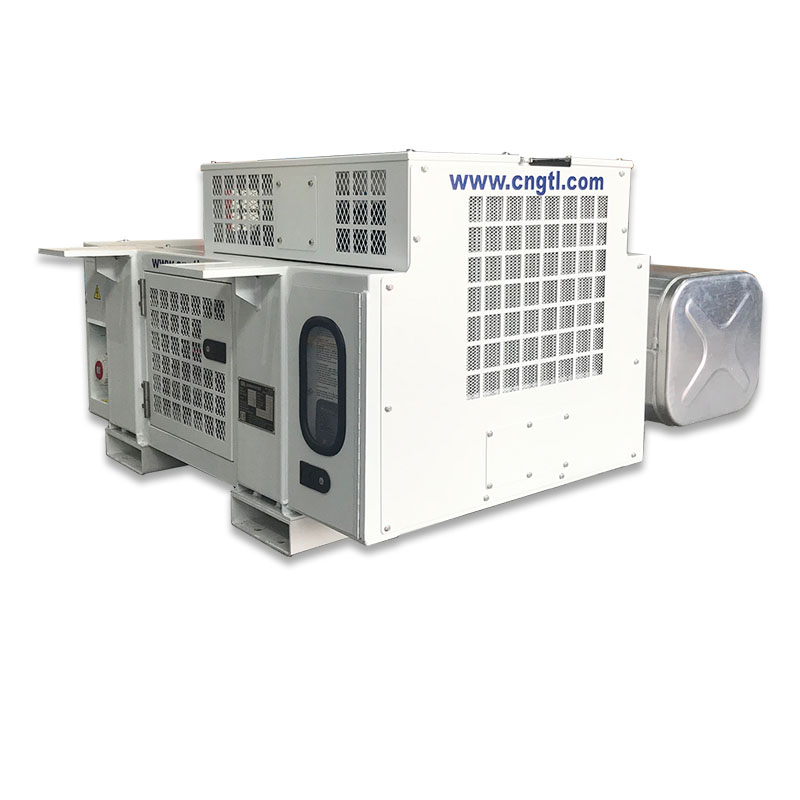
The physical configuration of your hardware dictates how your fleet operates daily. We categorize these units into two primary solution types: underslung and nose-mount. Comparing these two configurations objectively reveals distinct operational trade-offs.
Underslung configurations mount directly to the chassis frame. This placement lowers the overall center of gravity for the trailer. It improves road stability during high-wind conditions or tight maneuvers. Furthermore, an underslung mount frees up the front face of the container. This clear space greatly simplifies intermodal handling at busy rail yards. However, underslung units face higher exposure to road-level hazards. They routinely encounter salt, mud, water spray, and impact debris. You also need to ensure strict compatibility between the generator dimensions and your specific chassis fleet.
Nose-mount configurations, often called clip-on units, attach directly to the upper front wall of the container. This design means the generator moves with the box. It represents the ideal setup for complex rail and port transitions. The engine sits high off the ground, keeping sensitive components away from road debris and moisture. The drawbacks include complicated weight distribution. Nose-mounts place significant weight directly over the drive axles of the truck. Additionally, mounting and dismounting these units safely requires specialized heavy lifting equipment at your terminals.
Your shortlisting logic should ultimately depend on asset ownership. Do you own the chassis, or do you only own the refrigerated box? If you own the chassis and run dedicated routes, underslung units offer excellent stability. If your boxes constantly shift between different transport modes and third-party carriers, nose-mount units provide unmatched mobility.
| Feature / Aspect | Underslung Gensets | Nose-Mount (Clip-On) Gensets |
|---|---|---|
| Attachment Point | Directly to the trailer chassis | Directly to the container face |
| Handling & Mobility | Stays with the chassis during box swaps | Moves seamlessly with the container |
| Center of Gravity | Lowers the overall vehicle center | Places weight higher and over drive axles |
| Environmental Exposure | High exposure to road debris and salt | Protected from ground-level hazards |
| Ideal Use Case | Dedicated fleet chassis operations | High-frequency intermodal operations |
Technical numbers on a spec sheet mean nothing if you cannot translate them into operational outcomes. When evaluating reefer generator specifications, you must focus on the dimensions that guarantee reliability.
Power output and operating frequency represent your starting point. A standard 15kW output is generally necessary for standard cold chain containers. Refrigeration compressors require a massive surge of inrush current during initial startup. If your generator lacks the continuous power capacity to handle this initial load, the voltage will drop. This drop forces the compressor to stall, potentially damaging the refrigeration unit. Operating at a stable 60Hz ensures compatibility with standard North American and global cooling systems.
The synergy between the engine and the alternator dictates long-term performance. You need an engine block known for durability. For instance, selecting a 15kw 60hz 4tnv88 underslung reefer generator gives fleets a distinct advantage. The 4-cylinder engine profile offers a highly predictable balance of continuous torque and fuel efficiency. A four-cylinder engine generally runs smoother and cooler than a strained three-cylinder equivalent. This structural design minimizes damaging vibrations across the chassis.
Modern logistics also demand advanced control systems. Smart controllers eliminate the guesswork for drivers. You should prioritize models offering auto-start and auto-stop functions based on internal container temperatures. Look for comprehensive diagnostic readouts that display active fault codes in plain text. Telematics integration is equally vital. The ability to monitor fuel levels, battery voltage, and engine status remotely prevents manual errors and stops cargo spoilage before it happens.
Best Practice: Always specify a generator with an oversized alternator winding. This extra copper mass prevents extreme overheating during the high-demand summer months when compressors run continuously.
Evaluating power sources requires a realistic approach. You must review the current technology objectively without over-hyping emerging trends. Your fleet needs reliable power today, not just a promise for tomorrow.
The traditional diesel generator remains the absolute backbone of the industry. It provides unmatched operational range. Diesel fuel boasts incredible energy density, allowing a single tank to power a refrigeration unit for nearly a week under normal conditions. Furthermore, the refueling infrastructure spans across every major highway and port globally. When a container requires a demanding temperature pull-down—such as dropping fresh produce from ambient temperatures to near-freezing—diesel engines deliver the proven, immediate torque required.
However, regulatory compliance introduces new operational realities. Environmental agencies continue to tighten emissions standards. You must navigate regulations like CARB compliance in California and federal EPA Tier 4 Final emissions standards. Modern diesel units utilize advanced exhaust aftertreatment systems to meet these rules. Fleet managers must account for the handling of Diesel Exhaust Fluid (DEF). Managing DEF requires strict maintenance protocols to prevent fluid crystallization, which can damage the injection system.
We are also witnessing an expanding horizon for electric and hybrid alternatives. Shore power capabilities allow units to plug directly into grid power while idling at distribution centers. This electric standby feature eliminates diesel burn during extended dwell times. Hybrid gensets represent a growing solution for regional routes traversing compliance-heavy urban zones. While these technologies promise cleaner operations, you must acknowledge current infrastructure limitations. Many rail yards and older terminal facilities still lack the widespread electrical plug-in ports required to support fully electric operations at scale.
Purchasing the hardware only accounts for half of your overall investment. The hidden risks of poor supplier selection often cripple logistics operations long after the initial sale. You must vet your partners meticulously.
A credible reefer generator supplier must provide immediate access to wear-and-tear parts. Your equipment will eventually need new air filters, drive belts, and alternators. If your supplier lacks a robust domestic inventory, your equipment will sit grounded. Extended lead times for proprietary parts directly translate into lost revenue. Evaluate their parts distribution network. Do they offer overnight shipping? Do they have authorized service centers along your most frequent transit routes?
Warranty realities also separate reliable suppliers from risky ones. You must analyze what the contract actually covers. Many warranties sound impressive but aggressively separate parts coverage from labor coverage. An engine failure might yield free replacement parts, but you could still face massive labor bills for the installation. Look for transparent language regarding operating hours. Some warranties expire based on total engine run hours rather than calendar years. Ensure their terms align with your anticipated usage profile.
Implementing a new fleet of generators involves extensive integration. Work with suppliers who offer clear installation guidance and technical support. A true partner will assist your mechanics with the initial mounting processes. They should provide comprehensive training on the digital controllers and maintenance routines. When your supplier acts as an extension of your own maintenance team, your equipment achieves its maximum productive lifespan.
Selecting the optimal equipment for your cold chain operations demands a strategic, data-driven approach. You must move beyond basic price comparisons and focus on long-term hardware reliability. The configurations and specifications you choose today will directly impact your route flexibility and cargo safety for years to come.
Take immediate action by mapping out your current chassis fleet compatibility. Calculate your average trip durations, including terminal dwell times, to determine your precise fuel capacity requirements. Standardize your procurement around proven technical specifications, like a dependable 15kW 60Hz output, to ensure seamless intermodal transitions.
Ultimately, the best generator balances superior engineering with a robust aftermarket support system. Partnering with a dedicated supplier ensures your equipment stays operational, keeping your supply chain moving and your cargo perfectly preserved.
A: Focus on continuous power output, typically 15kW, to handle intense compressor startups. Verify the operating frequency matches your equipment, usually 60Hz for North American and standard applications. Additionally, evaluate fuel consumption rates under full loads and ensure the engine meets regional emissions compliance tiers.
A: A high-quality unit typically lasts between 10,000 and 15,000 operating hours. Achieving this lifespan requires strict adherence to OEM maintenance intervals. You must consistently perform routine oil changes, replace air and fuel filters, and schedule regular valve adjustments.
A: Yes, they can be unbolted and relocated. However, the process requires specialized heavy lifting equipment and significant labor. This makes underslung units semi-permanent compared to clip-on models, which are specifically designed for rapid, frequent intermodal transfers.


