

Views: 0 Author: Site Editor Publish Time: 2026-09-30 Origin: Site


Procurement managers and facility engineers constantly battle a highly volatile global supply chain. Delays routinely disrupt critical infrastructure operations and jeopardize stringent safety protocols. We face unprecedented logistical challenges today. We need resilient solutions immediately. Securing an reliable emergency power generator requires balancing strict compliance deadlines alongside unpredictable lead times. You must also navigate rigid supplier Minimum Order Quantities (MOQs). Navigating this complex landscape proves absolutely vital. A misstep here can delay local regulatory permitting. We must optimize capital expenditure without over-ordering unnecessary equipment. This comprehensive guide breaks down exactly how you can map out realistic delivery schedules. We explore actionable strategies to negotiate supplier MOQs effectively. You will discover how to properly align technical project specifications. Ultimately, you will learn practical steps to optimize your procurement timelines while meeting strict compliance demands seamlessly.
Supply chains remain heavily constrained as we approach 2025 and 2026. Industry analysts expect continuous disruptions globally. We must plan our critical infrastructure projects meticulously. A standard commercial diesel generator often requires vastly different lead times compared to small residential units. Retail models might ship in mere days. Heavy-duty industrial systems demand extensive manufacturing windows.
Several specific variables dictate final delivery schedules. Standard engineering moves much faster. Off-the-shelf units bypass lengthy design approvals. Custom engineering introduces significant friction. Custom acoustic enclosures require bespoke metal fabrication. Specific alternator sizing requires specialized winding processes. Oversized base fuel tanks add weeks to factory production.
Component availability fluctuates constantly across regions. Delays frequently impact automatic transfer switches (ATS). Advanced microprocessors remain scarce. Microprocessors control every modern power unit. A missing microchip stops a multi-ton engine from shipping. Engine blocks require precise metallurgical casting. Global foundries operate at maximum capacity. We cannot rush fundamental physics. Freight vessels face port congestion globally. Rail networks experience severe bottlenecks. We must anticipate these hurdles early.
We recommend utilizing a highly actionable planning framework. You should always work backward from your facility "go-live" date. Determine exactly when your site absolutely needs power. Then, add a 15-20% time buffer exclusively for freight. Local logistics and crane rigging often cause unexpected delays.
Here are the core variables affecting production phases:
Understanding why MOQs exist proves crucial for successful supplier negotiations. Manufacturing economics dictate these stringent requirements. Factory setup costs for heavy equipment lines are substantial. Manufacturers must batch raw materials efficiently. They bulk-order steel, copper, and specialized components. Setup costs include retooling robotic welding arms. Factories recalibrate testing bays for different voltages. These processes burn expensive engineering hours. Ordering one unit disrupts highly optimized assembly lines. You must respect factory economics. This financial reality compels an emergency power generator supplier to enforce minimums.
You must evaluate your actual procurement scale objectively. Single-site projects routinely struggle to meet high MOQs. However, you can bypass these rigid constraints strategically. Source equipment directly through established regional distributor networks. Distributors often pool orders for smaller clients. Alternatively, you should opt for non-customized base models. Manufacturers keep high-inventory base models readily available.
Multi-site facilities and fleet rollouts offer unique procurement opportunities. You can leverage aggregate demand across multiple regional locations. Phasing deliveries over several fiscal quarters helps meet supplier thresholds. Grouping orders regionally simplifies logistics. You reduce freight costs simultaneously. This strategy prevents you from hoarding excess immediate inventory.
Negotiation levers certainly exist for savvy purchasing managers. Discuss blanket purchase orders (BPOs) during your initial supplier meetings. BPOs guarantee factory volume while spreading your capital output. We also recommend standardizing around specific engine families. Consistent component choices help achieve aggressive volume pricing.
| Strategy Type | Ideal Buyer Profile | MOQ Impact |
|---|---|---|
| Distributor Sourcing | Single-Site Projects | Bypasses high factory minimums entirely. |
| Blanket Purchase Orders | Multi-Site Fleets | Secures volume pricing while staggering deliveries. |
| Component Standardization | Custom Deployments | Groups similar engines to meet minimum batch requirements. |
Failing to finalize your emergency power generator specifications early causes massive downstream delays. Spec-driven delays ripple through the entire manufacturing supply chain. Engineers simply cannot procure long-lead items without finalized blueprints. Changes made midway through production reset your place entirely. Blueprint revisions waste precious weeks. Acoustic enclosure designs must match exact engine dimensions. If you change alternator sizes, enclosures must expand. This restarts your engineering approval phase.
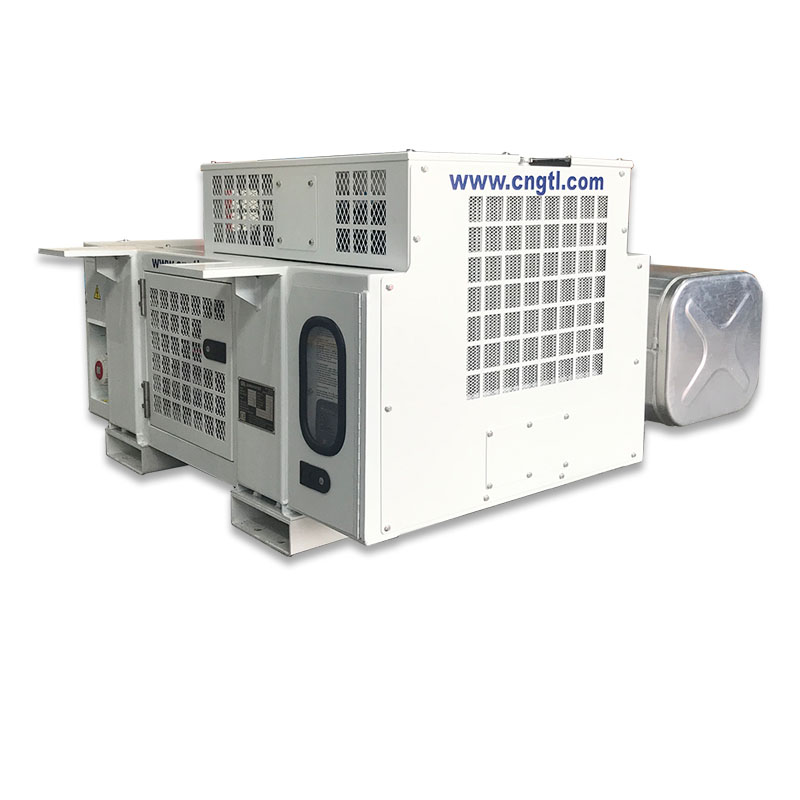
Niche applications require even tighter operational coordination. Target your procurement carefully for mobile equipment. For example, securing highly specialized transport refrigeration units like a 15kw 60hz 4tnv88 underslung reefer generator requires precise long-term forecasting. Manufacturers run these units in specialized, low-volume batches. Transport refrigeration requires ultra-compact footprints. We mount these units directly under container chassis. Vibration tolerance is extremely critical. Engineers validate these specs meticulously. Missing a production window means waiting months for the next run.
Compliance acts as a massive timeline multiplier globally. Environmental permits demand your immediate attention. Factoring in local emissions standards remains strictly mandatory. AQMD permitting in California often takes longer than physical equipment manufacturing. AQMD reviews every emissions data point. They scrutinize particulate matter outputs. Equipment sits idle without proper environmental clearances.
Industry-specific mandates also dictate your project timelines heavily. Healthcare facilities must plan for the stringent 96-hour fuel rule. Hospitals need massive reserve tanks engineered properly. Mission-critical data centers require legally required standby transfer time validation. Your switchgear must sync perfectly with local utility grids.
Building a resilient schedule protects your facility from unforeseen delays. The regulatory testing buffer remains frequently overlooked. Standard NFPA 110 generator testing requirements demand rigorous on-site commissioning. You must allocate adequate time post-delivery for this complex process. Municipal inspectors require successful load-bank testing before granting operational certificates. Load-bank testing simulates maximum facility electrical draw. We push the engine to peak capacity deliberately. Technicians monitor thermal expansion and vibration. They verify transfer switch synchronization precisely. This ensures failure-proof operation during real emergencies.
Seasonal threat planning represents another critical scheduling step. You must secure backup equipment well ahead of historical natural disaster windows. Finalize your procurement quarters before hurricane season begins. Manufacturers experience severe order surges just before summer storms hit. Early planning guarantees your facility remains operational during grid failures.
A comprehensive site-readiness checklist prevents major installation bottlenecks. Complete facility preparations parallel to manufacturing lead times.
Concrete requires 28 days for full structural curing. Heavy vibration will crack fresh concrete instantly. Do not rush civil engineering tasks. Waiting for equipment arrival before starting site work guarantees project failure. Parallel execution ensures immediate deployment upon delivery.
Facility buyers must prioritize a proven track record over optimistic promises. You should remain highly skeptical of overly aggressive lead times. Delivery estimates significantly undercutting industry averages often indicate underlying desperation. Unreliable vendors quote fast times simply to win initial deposits. Always ask for verifiable case studies. Request references for recent on-time deliveries within your industry.
Transparent communication defines a truly trustworthy manufacturing partner. A reliable supplier proactively communicates supply chain bottlenecks immediately. They do not hide component shortages until the final delivery date. Early warnings allow you to adjust construction schedules proactively.
Post-sale support infrastructure proves equally critical for long-term success. Evaluate whether manufacturers offer robust technical documentation. You need comprehensive paperwork for local permitting compliance. Substandard documentation delays municipal approvals. City inspectors demand certified emissions tiers. They review seismic certification data carefully. Your supplier must provide these documents digitally and physically. Check their field service network footprint. Do they employ local certified technicians? Can they dispatch repair crews during a blackout? These operational questions separate true partners from simple transactional vendors. Dedicated commissioning support remains absolutely non-negotiable. Strong warranty backing protects your capital investment.
Your immediate next step is highly actionable. Request a detailed lead-time forecast from potential vendors. Ask for an exact MOQ breakdown specifically matching your kW requirements.
Successful procurement functions as a complex math equation. You must constantly balance technical engineering specs, regulatory testing buffers, and realistic factory manufacturing timelines. Overlooking any single variable guarantees costly facility delays and jeopardizes site safety. Supply chain logistics remain unforgiving.
Early supplier engagement remains your strongest defense mechanism against delays. Lock in production slots as soon as possible. Finalize MOQs before finalizing broader construction contracts. You must treat power planning as a primary infrastructure milestone, never an afterthought.
Do not leave critical power infrastructure to chance. Contact our engineering and sales team today. We provide transparent consultations on current lead times and specification matching to secure your facility immediately.
A: You should typically order standard units 16 to 24 weeks in advance based on current market averages. Highly customized models require a 6-to-12-month lead time. Component constraints and specialized engineering approvals significantly extend delivery windows. Always secure your production slot early.
A: Yes, buyers can frequently negotiate rigid MOQs. You should standardize internal components across your portfolio. Leveraging multi-phase delivery contracts also helps satisfy manufacturer volume requirements. Blanket purchase orders allow suppliers to batch production while you receive phased equipment deliveries.
A: Local permitting processes can extend project timelines by several months. Manufacturing may only take twelve weeks. However, rigorous environmental reviews often take twice as long. Your equipment cannot be legally commissioned or operated until these municipal permits clear completely.
A: Post-delivery testing usually requires one to two weeks. Technicians must conduct initial load-bank testing and rigorous compliance verification. You must satisfy stringent NFPA 110 requirements before local authorities grant final operational approval. Always factor this testing buffer into your schedule.


