

Views: 0 Author: Site Editor Publish Time: 2026-08-21 Origin: Site


Maintaining unbroken cold chain integrity requires continuous power. Transit handoffs are inherently vulnerable to sudden interruptions. Logistics managers constantly battle the risk of cargo damage during these critical transition moments. Container ships provide reliable electricity across oceans. Yet, when a refrigerated container moves from a vessel to a port, it loses this connection. Moving from a railhead to a road chassis creates identical power deficits. Unplugged refrigeration units face rapid internal temperature shifts. Tarmacs absorb massive heat loads during summer months. You cannot rely on the thermal mass of the cargo alone to maintain freezing temperatures. A purpose-built reefer generator bridges these transit gaps effectively. It provides autonomous, stabilized container refrigeration power. This equipment prevents catastrophic temperature excursions and costly load rejections. You will learn how to evaluate various configuration types in this guide. We will explore essential operational criteria and maintenance protocols. Implementing these strategies ensures your perishable freight remains perfectly protected from origin to destination.
Disconnects during intermodal transfers create massive blind spots in logistics networks. They leave sensitive cargo vulnerable to rapid ambient temperature changes. Port congestion frequently delays chassis staging. A container might sit unpowered on a dock for several hours. It absorbs heat quickly under direct sunlight. You cannot rely on residual chill to protect high-value perishables like pharmaceuticals or fresh seafood.
Brief power losses often trigger compressor lockouts. Modern refrigeration microprocessors monitor power inputs constantly. They shut down the system automatically if they detect an outage. These lockouts force the refrigeration system into a delayed restart cycle. This delay accelerates spoilage and compromises product shelf life. Retailers routinely reject loads showing minor temperature deviations on their data loggers.
The Food Safety Modernization Act (FSMA) imposes strict compliance standards on carriers. Failing to document continuous temperature control violates these federal rules. You risk severe financial penalties. Damaged client trust proves even more costly. Transport operations require an independent, mobile power source. They need units capable of sustaining specific voltage and frequency requirements continuously. Sensitive container compressors demand clean energy to function correctly. A robust generator prevents these catastrophic gaps and shields your company from liability.
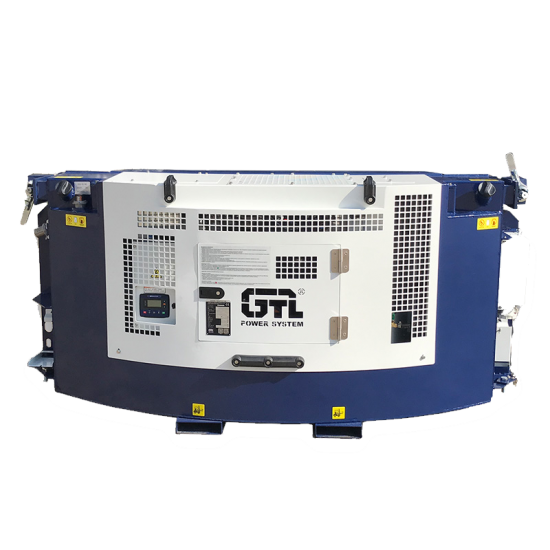
Fleets must choose the right physical setup for their daily operations. You have two primary options when selecting a transport generator. You can mount it directly to the shipping container. Alternatively, you can attach it to the hauling trailer. Each configuration offers distinct mechanical and logistical advantages.
A clip on reefer generator attaches directly to the upper header of an ISO container. It clamps securely into the standardized corner castings. This design offers immense operational flexibility. It is ideal for routes requiring the generator to stay with the container. You might move a load from a railcar to a truck. The power goes seamlessly with the box. The container retains power regardless of the chassis underneath it.
However, you must weigh certain structural considerations. This configuration adds significant weight to the front axle of the hauling truck. Dispatchers must calculate bridge-law weight limits carefully. You also need specialized forklifts or mounting infrastructure at terminals. Terminals must possess the right equipment to hoist and pin the unit safely. Terminal labor unions often dictate specific rules for handling these heavy attachments. You must factor these handling fees into your route planning.
An underslung unit bolts directly beneath the truck chassis. Mechanics mount it securely between the landing gear and the rear axles. This option works best for dedicated refrigerated hauling fleets. The power unit stays permanently with the trailer framework. It never transfers to a railcar or a ship.
This setup offers distinct mechanical advantages for highway transport. It lowers the center of gravity significantly. It improves overall weight distribution across the trailer axles. Drivers experience better handling and reduced sway on the highway. Yet, the under-trailer placement introduces specific environmental vulnerabilities. The unit sits very close to the pavement. It remains vulnerable to road debris, salt spray, and physical impact from uneven loading docks. We strongly recommend installing heavy-duty bash plates. Routine undercarriage washes prevent corrosive salt buildup on the alternator housing.
| Feature | Clip-On Configuration | Underslung Configuration |
|---|---|---|
| Mounting Location | Upper front header of container | Beneath the truck chassis |
| Best Use Case | Intermodal transport (rail/ship/truck) | Dedicated highway hauling fleets |
| Weight Impact | Adds weight to front axle | Lowers center of gravity |
| Primary Vulnerability | Requires heavy lift equipment to mount | Exposure to road debris and salt |
Not all generators handle the extreme demands of refrigerated shipping successfully. You must evaluate specific operational metrics before purchasing. Let us explore the critical criteria for selecting reliable marine power equipment.
Standard industrial generators fluctuate wildly under varying loads. Purpose-built units must deliver clean, stabilized 460V/3-phase power constantly. Modern reefers utilize highly sensitive microprocessors. They rely on variable frequency drives (VFDs) to control fan speeds. Voltage spikes easily damage these expensive electronic components. An unstable power supply causes nuisance tripping. A high-quality alternator prevents this damage. It features advanced voltage regulation circuits to ensure continuous, steady cooling.
Regulatory bodies strictly govern diesel engine emissions worldwide. You must evaluate Tier 4 Final compliance rigorously. Non-compliant engines face heavy fines in restricted emission zones like California. Assess fuel consumption rates carefully. Look at the exact gallons per hour burned under heavy load conditions. Check the engine's extreme climate starting capabilities. It must crank easily in freezing rail yards. It must also resist overheating in scorching port facilities. Direct injection systems and glow plugs aid cold-weather performance significantly.
Fuel capacity dictates your maximum autonomous runtime. Large fuel tanks provide extended runtimes exceeding four days. They prove essential for long-haul trucking or extended rail journeys. Cross-country trains lack refueling infrastructure. However, you must balance this capacity against strict weight limits. Extra diesel fuel means extra gross weight. Every gallon reduces the maximum allowable cargo payload you can legally transport. Fleet managers often select mid-size tanks for regional routes to maximize freight capacity.
Modern logistics demand total visibility at all times. Two-way communication is no longer an optional upgrade. Telematics systems provide real-time fuel-level alerts to dispatchers. They offer proactive fault code monitoring before catastrophic breakdowns occur. Fleet managers can track GPS locations accurately. Dispatchers can even utilize remote shut-off capabilities. This feature prevents severe engine damage if oil pressure drops suddenly. Predictive maintenance algorithms help shops schedule services based on actual engine hours.
Deploying these power units introduces unique daily challenges. Fleet managers must address both structural degradation and procedural hurdles. Overlooking these realities leads to expensive downtime.
Intermodal transport subjects equipment to relentless physical abuse. Constant road and rail vibration degrades engine mounts rapidly. Wiring harnesses chafe against metal frames if improperly secured. You must assess the quality of vibration isolators during procurement. Heavy-duty elastomeric rubber mounts are critical for long-term component longevity. They absorb the kinetic shock before it reaches sensitive internal engine parts. Inspect welds on the mounting frame frequently. Micro-fractures propagate quickly under heavy highway bouncing.
Equipment only functions reliably if mechanics maintain it properly. Standardizing pre-trip checks becomes a major operational burden for large fleets. Technicians must routinely check engine oil levels and coolant specific gravity. They must verify proper alternator belt tension. They must torque all mounting hardware to exact factory specifications. A rigorous PTI protocol prevents embarrassing mid-route failures. Drivers should also perform visual walk-arounds. They need to check for obvious fluid leaks or damaged electrical receptacles before leaving the terminal.
Fuel strategies change drastically based on the specific transport mode. Extended rail delays create massive fueling headaches for logistics planners. You need robust strategies for mobile refueling inside secured rail yards. Extreme winter transport conditions introduce the severe risk of diesel fuel gelling. Cold temperatures cause paraffin wax in the fuel to solidify. This wax clogs fuel filters instantly. You must use high-quality anti-gel additives. Procure specialized winter fuel blends well before the first freeze. A stalled engine in freezing weather destroys sensitive cargo value within hours.
Choosing the ideal power solution requires systematic analysis. You must align equipment specifications with your exact logistical demands.
Start by analyzing your current physical assets thoroughly. Assess the ratio of dedicated chassis to intermodal containers in your yard. This baseline ratio helps determine the optimal equipment mix. It tells you whether you need more clip-on models or permanent underslung units. Review your most common transport lanes. Analyze the typical transit duration for these routes. This helps dictate the fuel tank sizes you should prioritize.
You must look far beyond the initial purchase price. Evaluate the expected operational lifecycle of the diesel engine. Review the manufacturer's suggested maintenance intervals closely. Frequent oil changes disrupt utilization schedules and inflate labor costs. Consider the mandatory monthly telematics subscription fees. Look closely at expected fuel burn rates across different duty cycles. Evaluate the cost of replacing specialized marine-grade electrical receptacles. All these factors determine true operational viability and long-term fleet success.
Gather concrete data to make an informed choice. Request detailed spec sheets from authorized commercial dealers. Ask for verified duty-cycle testing data. Compare this data against your specific fleet routing requirements. Verify the unit matches your exact chassis dimensions perfectly. Ask the dealer for reference contacts at similar transport companies. Real-world feedback provides invaluable insights into machine durability.
A specialized generator represents much more than just an auxiliary engine. It is a vital risk-mitigation asset. It proves essential for modern, reliable cold chain logistics. Protecting temperature-sensitive freight requires proactive equipment investments.
Selecting the right physical configuration protects your daily operations. Prioritizing strict alternator stability and robust telematics ensures continuous regulatory compliance. These choices ultimately protect your high-value cargo from catastrophic spoilage. They safeguard your reputation among demanding shippers.
Do not leave your critical cold chain to chance. Contact a commercial equipment specialist today. Audit your fleet’s current chassis compatibility and precise power requirements. Secure the continuous, reliable power your freight demands. Protect your bottom line and ensure every load arrives in perfect condition.
A: Most units feature fuel tanks ranging from 50 to 130 gallons. A fully fueled 130-gallon tank can run continuously for two to five days. The exact runtime depends heavily on the ambient outside temperature and the specific load type. Deep-frozen cargo in extremely hot climates forces the engine to burn fuel much faster to maintain set points.
A: Yes, they mount to nearly all standard refrigerated ISO containers. They utilize a universal pin-mounting system. The unit locks directly into the upper front corner castings of the container header. This standardized approach allows operators to swap units quickly between different containers using specialized heavy-duty forklifts at intermodal terminals.
A: Standard units often produce unstable single-phase power suitable for simple tools. Reefer-specific units deliver stabilized 460V/3-phase output. This clean power prevents severe damage to sensitive compressor microprocessors and variable frequency drives. They also feature specialized pin-and-sleeve receptacles and heavy-duty environmental sealing to withstand harsh marine and highway conditions.


