

Views: 0 Author: Site Editor Publish Time: 2025-12-23 Origin: Site


Light towers play a crucial role in construction sites, outdoor events, and emergencies. These units provide essential illumination during the night, ensuring safety and productivity. However, proper maintenance is key to keeping them running smoothly and avoiding costly downtime. In this article, we will discuss the necessary maintenance tasks to ensure your light tower stays in optimal condition. You'll learn how daily, weekly, and long-term maintenance can extend the life of your equipment.
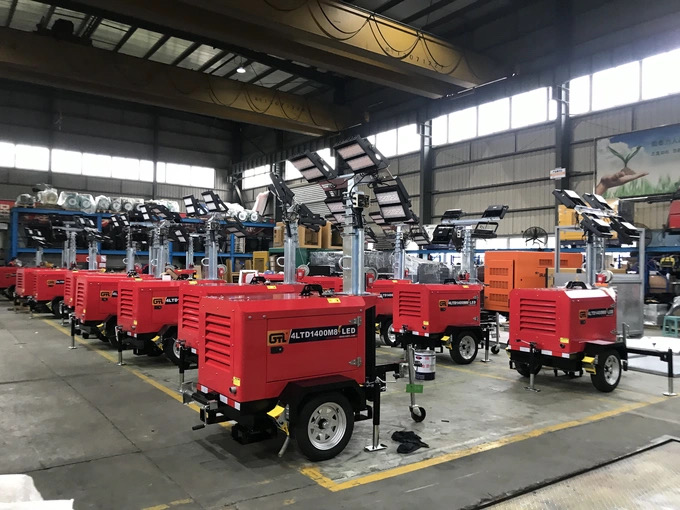
Regularly checking fluid levels is one of the most important daily tasks for light tower maintenance. Ensuring that the fuel, engine oil, and coolant are at optimal levels will prevent engine strain and overheating.
Fuel: Always check the fuel level to avoid running out of fuel during operation, which could cause power loss or engine damage.
Engine Oil: Check the oil level before use. If the oil level is low, it can lead to engine wear and eventual failure.
Coolant: Coolant levels should be inspected to prevent the engine from overheating, especially during long operational periods.
Tip: Regular fluid checks can save on costly engine repairs and ensure smooth operation throughout your project.
Electrical connections are crucial for the safe operation of light towers. Daily inspections should focus on identifying signs of arcing, such as burn marks or discoloration around terminals. Additionally, ensure that wiring clamps are tight and secure to prevent loose connections, which could lead to power loss or short circuits, affecting performance and reliability.
A thorough mechanical check is essential to identify potential issues early and prevent more significant problems. This includes tightening any loose fasteners, checking for wear in mechanical components, and inspecting several key parts:
Fasteners: Loose bolts can lead to mechanical failure. Always ensure that all fasteners are tight and properly secured.
Fan Belts and Hoses: Inspect belts for fraying and hoses for cracks. Damaged belts or hoses can cause equipment failure and increase downtime.
Bearings and Rollers: Check for wear or damage to bearings and rollers, which can affect smooth operation and lead to further mechanical issues.
Mast Components: Ensure that the mast mechanism moves freely and securely. Any resistance or loose components could cause malfunction during use.
Lubrication: Verify that all moving parts are adequately lubricated to reduce friction and prevent premature wear or seizure.
For mobile light towers, checking the tires and suspension is essential to ensure their stability and functionality during transport. Proper tire pressure is crucial not only for safety but also for more efficient transport, as it helps prevent accidents and ensures smoother rides. Additionally, uneven tread wear can indicate alignment issues or overloading, both of which could compromise the performance and safety of the light tower during transit. Regularly inspecting both the tire pressure and tread can prevent unnecessary mechanical issues and downtime.
The hydraulic system is responsible for raising and lowering the light tower, making it a critical component for smooth and safe operation. Weekly checks should focus on ensuring that hydraulic fluid levels are within the recommended range for optimal performance. Any leakage in hoses or hydraulic lines can lead to system failure and hinder the functionality of the light tower. By regularly inspecting the hydraulic system for fluid levels and leaks, operators can avoid costly repairs and ensure consistent performance throughout the equipment's lifespan.
The efficiency of the light tower's engine relies heavily on clean air and fuel filters. A dirty air filter can significantly reduce engine efficiency, leading to higher fuel consumption and potential wear on the engine. It's important to clean or replace air filters regularly to ensure that dirt and debris don't affect the engine’s performance. Similarly, blocked fuel filters can restrict fuel flow, causing engine misfires or power loss. Regular cleaning or replacement of fuel filters ensures smooth operation and extends the engine's lifespan, improving overall system reliability.
Light towers are typically used in environments that generate a lot of heat. The cooling system plays a key role in maintaining safe operational temperatures. Check the radiator for dust, dirt, or debris that could impede airflow.
Radiator Inspection: Clean the radiator regularly to ensure optimal airflow and cooling efficiency.
Coolant Mixture: Ensure that the coolant mixture is appropriate for the season, as different weather conditions can affect the cooling system's performance.
At least quarterly, it’s essential to replace engine oil and fuel filters to prevent contamination from affecting performance. Clean oil and fuel are critical for ensuring the engine runs smoothly and efficiently.
Engine Oil: Regular oil changes reduce wear and tear on the engine, preventing overheating and premature failure.
Fuel Filters: Clogged fuel filters can lead to fuel starvation and engine misfire. Replace them as part of a regular service routine.
Light towers rely on batteries to start and operate. Regularly inspect battery voltage to ensure it’s within operational limits. Look for signs of corrosion on the terminals and clean them as needed to maintain optimal performance.
Voltage Test: Test the battery regularly to ensure it’s fully charged and functioning properly.
Corrosion Check: Clean battery terminals to remove any corrosion that could prevent the engine from starting.
| Lamp Type | Advantages | Maintenance Tips | Lifespan |
|---|---|---|---|
| LED | Longer lifespan, energy-efficient, lower maintenance | Clean lenses regularly, check for power supply issues | 25,000–50,000 hours |
| Halogen | Bright light, lower initial cost | Frequent replacement, sensitive to heat, clean regularly | 2,000–4,000 hours |
| Metal Halide | High intensity, commonly used in construction | Ensure secure fitting, clean lamps to avoid heat buildup | 10,000–20,000 hours |
| Component | Potential Issues | Maintenance Actions | Frequency |
|---|---|---|---|
| Fuel Contamination | Dirt, water, or debris in the fuel system | Inspect fuel tank and filters for contaminants | Monthly or after heavy use |
| Generator Issues | Failure to start due to clogged filters or pump | Check fuel filter, fuel pump, and electrical connections | Every 3 months or during troubleshooting |
| Component | Potential Issues | Maintenance Actions | Frequency |
|---|---|---|---|
| Hydraulic Fluid | Leaks or low fluid levels affecting operation | Check fluid levels, inspect for leaks in hoses and lines | Weekly or after each use |
| Mast and Winch | Issues with smooth operation, rust, or wear | Inspect winch, ropes, and locking mechanisms, lubricate | Monthly or during setup |
In colder environments, light towers face unique challenges such as fuel freezing and cooling system failure. To ensure reliable operation, additional precautions can be taken:
Winter Fuel Blend: Use winter-grade fuel to prevent freezing and ensure the engine runs smoothly in low temperatures. Winter blends are designed to withstand colder conditions and reduce the risk of fuel system issues.
Coolant Heaters: Consider installing coolant heaters to prevent the engine from freezing when the light tower is not in use. These heaters maintain the temperature of the coolant, ensuring it flows properly when the engine starts.
Battery Maintenance: Cold temperatures can drain batteries quickly. Ensure that batteries are fully charged before use and consider using battery blankets to prevent freezing and maintain optimal performance.
Lubrication: Cold weather can cause engine oil to thicken, which increases friction and wear. Use synthetic oils designed for low temperatures to ensure smoother engine operation and reduce the risk of damage during startup.
In hot and tropical climates, overheating can be a major concern, as prolonged heat can cause engine failure and increase wear. To mitigate these challenges, take the following measures:
Airflow: Ensure the light tower is positioned in an area that allows for unrestricted airflow around the engine and cooling system. Adequate ventilation helps prevent heat buildup and keeps the engine operating at optimal temperatures.
Regular Cleaning: Dust, dirt, and debris can accumulate on the radiator and cooling system, reducing their efficiency. Clean these components regularly to maintain proper heat dissipation and prevent engine overheating, which could lead to performance issues.
Radiator Protection: Install radiator guards to prevent large debris, such as rocks or branches, from obstructing airflow or damaging the radiator. This ensures the cooling system works efficiently and avoids overheating during prolonged use in hot conditions.
Cooling Fluid Check: Regularly check the coolant levels and the quality of the coolant. Over time, coolant can degrade and lose its ability to regulate the engine temperature effectively. Ensure the correct coolant mixture for the climate to maintain optimal cooling performance.
Engine Monitoring: Equip the light tower with temperature sensors or monitoring systems to detect overheating early. These systems can provide alerts when the engine temperature exceeds safe limits, allowing operators to take corrective action before damage occurs.
Regular maintenance is crucial for ensuring the reliability and longevity of light towers. By conducting daily, weekly, and monthly checks, businesses can prevent costly breakdowns and improve operational efficiency. Xiamen GTL Power System Co., Ltd. offers high-quality light towers designed for durability and performance, providing reliable lighting solutions for various industries. Their products ensure optimal operation, even in challenging conditions, helping you maintain consistent performance and minimize downtime.
A: Regular maintenance for a light tower includes checking fluid levels, inspecting electrical connections, cleaning filters, and monitoring the hydraulic system. Proper care ensures optimal performance and extends the tower's lifespan.
A: Fuel and oil levels should be checked daily before use. Ensuring they are at the proper levels prevents engine strain and reduces the risk of failure during operation.
A: Cleaning or replacing the air filter regularly is essential for maintaining engine efficiency. A clogged filter can reduce performance and increase fuel consumption in your light tower.
A: To prevent overheating, ensure the light tower is positioned for proper airflow, clean the radiator regularly, and check coolant levels. These steps help maintain a stable engine temperature.
A: If the generator fails to start, check the fuel filter, fuel pump, and electrical connections for issues. Cleaning or replacing clogged filters and ensuring secure connections can resolve the problem.


