

Views: 0 Author: Site Editor Publish Time: 2025-12-25 Origin: Site


Light towers are essential in various industries like construction, mining, and emergency services. These mobile solutions ensure safety and efficiency in areas lacking permanent lighting. In this article, we will explore the key specifications of light towers, including lighting power, mast height, mobility, and durability. Understanding these specifications will help you choose the best light tower for your needs.
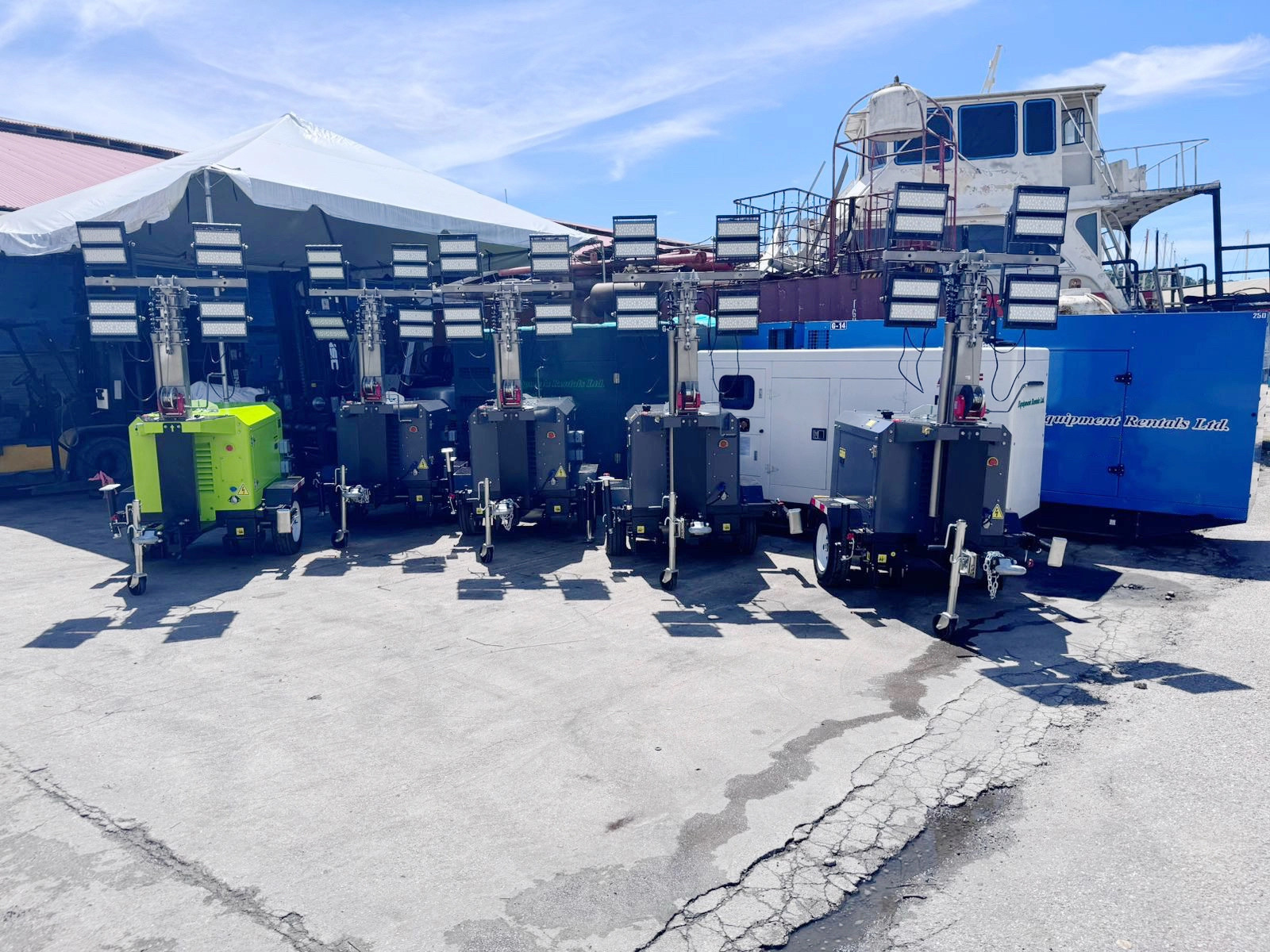
When choosing a light tower, lighting power is one of the most important factors to consider. Light towers typically use three types of light sources:
LED Lights: Known for their energy efficiency, longevity, and lower environmental impact. LED towers provide high luminosity while consuming less power, making them ideal for long-term operations.
Metal Halide Lights: These are brighter and provide better color reproduction, making them suitable for areas that require high-intensity light for visibility over large distances.
High-Pressure Sodium Lights: Offering high brightness and energy efficiency, these lights are often used in industrial settings where powerful illumination is necessary.
The wattage of a light tower can range from 1,000 watts to over 10,000 watts depending on the specific model. Higher wattage options provide greater illumination but also increase energy consumption. Therefore, it’s crucial to choose based on the size of the area needing coverage.
The mast height of a light tower is a defining specification, as it directly influences the coverage area. Typical masts are adjustable from 5 meters to 9 meters (about 16 feet to 30 feet), allowing flexibility for different operational needs.
There are three types of masts:
Manual Masts: These masts require manual operation to adjust height and angle. They are often simpler and more affordable but may not be ideal for frequent adjustments.
Hydraulic Masts: These offer easy, fast height adjustment using hydraulic power, making them suitable for rapid deployment and frequent use.
Electric Masts: Powered by electric motors, these masts offer precise control, especially for high-performance applications that require constant adjustments.
Tip: Consider your deployment frequency and operational needs when selecting the mast type. Hydraulic or electric masts are ideal for high-demand projects where speed and flexibility are critical.
Light towers are powered by various energy sources, with the most common being diesel, electric, battery, and solar. Here's how they differ:
Diesel-Powered Towers: Diesel is a popular choice for light towers, especially in remote areas or places where grid power is unavailable. Diesel towers typically offer longer run times (up to 60 hours on a full tank) and are more reliable for long-duration operations.
Electric Light Towers: These require an external power source and are more suitable for urban locations or areas with access to the grid.
Battery-Powered Towers: Battery-operated towers offer portability and are commonly used for short-term, low-maintenance lighting needs. However, they have limited battery life and must be recharged after use.
Solar-Powered Light Towers: These are environmentally friendly and ideal for locations where traditional power sources are unavailable. Solar towers are more cost-effective in the long run but typically have lower light output compared to diesel-powered options.
Tip: For long-term or heavy-duty operations, diesel-powered towers are the most reliable option, while solar or battery towers can be suitable for environmentally conscious or temporary applications.
| Feature | Trailer-Mounted Light Tower | Skid-Mounted Light Tower |
|---|---|---|
| Mobility | Highly portable, can be moved easily between locations. | Less portable, typically stationary or for specific areas. |
| Ideal Use Case | Best for construction sites, outdoor events, and temporary setups. | Suited for industrial or long-term installations. |
| Transportation | Mounted on a trailer, can be towed by vehicles. | Requires handling equipment (e.g., forklifts) for transport. |
| Setup Time | Quick setup with the ability to adjust mast height and lighting direction on-site. | More complex setup due to lack of mobility. |
| Size | Generally larger and bulkier. | More compact and space-efficient. |
| Cost | Typically more expensive due to added mobility features. | Less expensive, ideal for fixed installations. |
| Flexibility | High flexibility for short-term or moving projects. | Limited flexibility, better suited for permanent placement. |
| Weight | Heavier due to trailer and components. | Lighter and more compact. |
| Wind Resistance | Built for higher wind resistance due to trailer-based design. | Less resistant to wind; stationary models are more stable. |
Tip: If you anticipate frequent relocation of your light tower, a trailer-mounted option provides the best flexibility for fast setup and movement. Skid-mounted towers are better for stationary, long-term installations where mobility isn't a priority.
The weight of a light tower can significantly impact its transportability. For example, light towers with large masts and heavy-duty components may weigh several hundred pounds or more. Understanding the transport dimensions and weight is essential for ensuring that the unit can be easily moved and set up at the work site.
Light towers range from compact, lightweight models for small-scale applications to large, heavy-duty units designed for industrial environments. Keep in mind the size of your project and how the tower will be transported when selecting the right model.
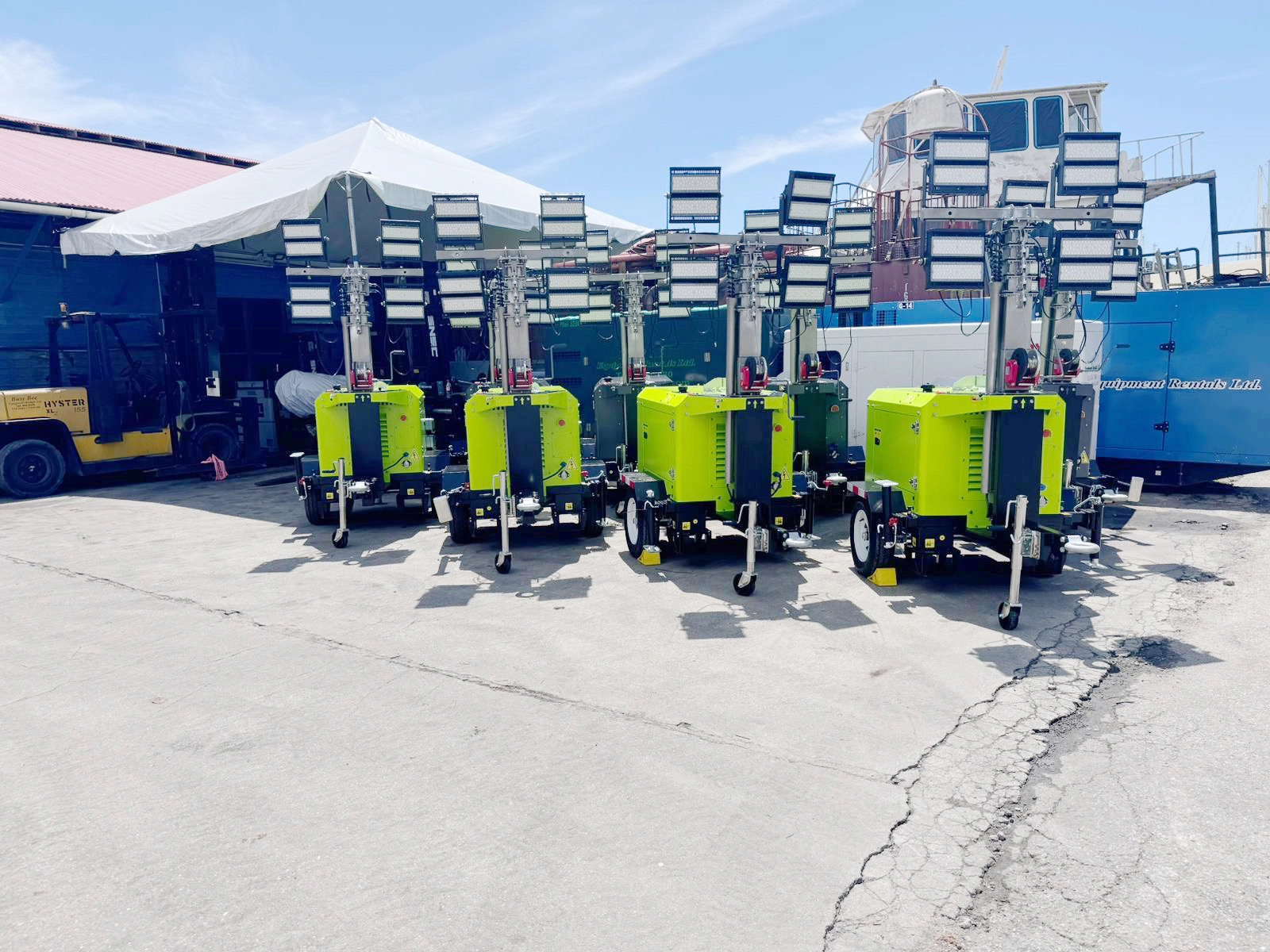
Light towers are often exposed to harsh conditions, making durability a key factor in their specifications. Common materials used in light tower construction include:
Aluminum Alloy: Lightweight, corrosion-resistant, and durable, making it ideal for portable and trailer-mounted units.
Galvanized Steel: Used in towers that require additional strength and stability. It offers excellent protection against the elements and is highly resistant to corrosion.
Stainless Steel: For extreme conditions, stainless steel is used due to its durability and resistance to rust.
Choosing the right material ensures that the light tower will withstand harsh weather, such as high winds or rain.
| Feature | Wind Stability Rating | Outriggers & Leveling Jacks |
|---|---|---|
| Wind Resistance | Wind stability ratings range from 30 mph (48 km/h) to 50 mph (80 km/h), depending on the model. | Designed to enhance stability and prevent tipping or instability during operation. |
| Use Case | Suitable for environments with varying wind speeds. | Especially useful in high-wind areas or unstable ground conditions. |
| Design Considerations | Light towers are engineered with wind resistance features such as reinforced masts and materials. | Outriggers are deployed to provide a wider base and reduce risk of tipping. |
| Effectiveness | Ensures the tower remains operational even in inclement weather. | Provides added stability and safety by securing the tower in place. |
| Wind Speed Range | From moderate (30 mph) to high wind resistance (50 mph). | Typically offers stability up to a certain wind speed rating (e.g., 30 mph to 50 mph). |
| Maintenance | Higher wind resistance models may require periodic checks for structural integrity. | Outriggers and leveling jacks require regular maintenance to ensure proper function. |
Tip: If your light tower will be used in areas prone to high winds, ensure that it has a high wind resistance rating (e.g., 50 mph) and is equipped with outriggers or leveling jacks for maximum stability.
The fuel efficiency of a light tower directly impacts its operational cost. Diesel-powered light towers are known for their long run times—up to 60 hours on a full tank, making them ideal for continuous use. Fuel consumption varies depending on the wattage of the light tower and the type of engine it uses.
Opting for a high-efficiency diesel engine can significantly reduce fuel costs while maintaining reliable lighting performance.
For short-term projects or environmentally friendly applications, solar-powered and battery-operated light towers offer benefits. However, their run times are generally shorter than diesel-powered units, and their light output may be lower. Solar-powered towers are ideal for locations with abundant sunlight, while battery-powered towers are perfect for small-scale operations with lower energy demands.
| Feature | LED Lighting | Metal Halide / High-Pressure Sodium Lighting |
|---|---|---|
| Lifespan | 50,000 hours or more | 10,000 - 20,000 hours |
| Energy Consumption | Lower energy usage, more efficient | Higher energy consumption |
| Environmental Impact | Environmentally friendly, lower carbon footprint | Higher carbon footprint and energy waste |
| Illumination Quality | Provides high-quality, uniform light | Bright but often with less uniformity and color accuracy |
| Operating Costs | Lower due to energy efficiency and longevity | Higher due to frequent bulb replacements and higher energy usage |
| Maintenance | Minimal maintenance, long intervals | Requires more frequent maintenance and bulb replacements |
| Heat Emission | Produces minimal heat, reducing heat-related wear | High heat output, which can affect performance and longevity |
| Initial Cost | Higher upfront cost, but lower long-term cost | Lower upfront cost, but higher long-term operational costs |
| Best Use Cases | Long-term operations, environmentally-conscious projects | Short-term, high-intensity lighting where cost is less of a concern |
Diesel-powered light towers typically emit exhaust fumes and noise. While newer models are designed to minimize noise and emissions, electric and solar-powered models are the best options for eco-friendly operations. Solar-powered towers, in particular, offer the advantage of zero emissions and extremely low noise levels, making them ideal for use in residential areas or during outdoor events.
Tip: Consider your project’s environmental impact and local regulations when choosing between diesel, solar, or electric-powered light towers.
Routine maintenance is essential for maximizing the lifespan of a light tower. Diesel engines, batteries, and lighting components require regular checks, including:
Oil changes and engine checks (for diesel-powered models)
Battery charging and testing
Inspection of lighting components (e.g., LED lamps or metal halide bulbs)
Establishing a service schedule and opting for service agreements with manufacturers ensures that your light tower remains in optimal working condition.
The service life of a light tower can be extended with proper maintenance. LED models, for example, can last up to 50,000 hours when properly maintained. Regular inspections, including cleaning and checking for wear and tear, will keep the tower performing efficiently for years to come.
Tip: Investing in light towers from reputable brands with strong warranty and support services ensures long-term reliability.
Choosing the right light tower involves understanding key specifications such as lighting power, mast height, and fuel efficiency. By evaluating these features, you can make the best decision for your specific needs, whether for a construction site, emergency response, or outdoor event. Xiamen GTL Power System Co., Ltd. offers high-quality light towers that deliver reliable performance, excellent durability, and energy efficiency. Their light towers are designed to meet the demands of various industries, providing long-lasting solutions for all your lighting needs.
A: A Light Tower is a portable lighting solution used to provide visibility in areas without permanent lighting, such as construction sites and outdoor events.
A: A Light Tower uses a light source (LED, metal halide, or sodium lamps) mounted on a mast, powered by diesel, solar, or electric sources to illuminate large areas.
A: Key specifications include lighting power (wattage), mast height (adjustable from 5m to 9m), and the power source (diesel, electric, solar, or battery).
A: A Light Tower can run up to 60 hours on a full tank of fuel, depending on the model and power consumption.
A: LED Light Towers are energy-efficient, have a long lifespan (50,000+ hours), and are environmentally friendly, reducing operational costs and carbon footprints.


