

Views: 0 Author: Site Editor Publish Time: 2026-03-05 Origin: Site


An oil-free air compressor is a type of compressor that operates without the need for lubrication through oil. Unlike traditional oil-lubricated compressors that use oil to reduce friction and cool components, oil-free compressors rely on advanced engineering and materials to achieve a similar function. They are designed to compress air without any oil contaminating the airflow, making them ideal for industries where air purity is crucial.
Oil-free air compressors are vital in certain industries where even the slightest contamination of air could cause serious damage or affect product quality. The absence of oil contamination makes them the perfect choice for sectors like pharmaceuticals, food and beverage, electronics manufacturing, and healthcare. These compressors provide clean, dry air for operations, enhancing product safety and reliability.
The main difference between oil-free and oil-lubricated compressors lies in the lubrication system. In oil-lubricated compressors, oil is used to lubricate the internal components, which helps reduce friction, heat, and wear. However, this oil can potentially contaminate the compressed air, making it unsuitable for sensitive applications.
In contrast, oil-free air compressors use advanced materials and designs to prevent internal parts from wearing out without the use of oil. As a result, they produce clean air, free from oil particles, and are ideal for applications where air quality is paramount.
Oil-free air compressors are designed with several key components that allow them to function without lubrication. Understanding how these components work together can help in selecting the right compressor for your needs.
Here’s a breakdown of the essential components that enable oil-free compressors to work efficiently:
Component | Function |
These rings are made from high-performance materials that provide a tight seal, ensuring no oil leakage. They reduce friction between the piston and the cylinder. | |
Cylinder Liners | These liners are designed with coatings that prevent wear and tear, eliminating the need for oil. They provide a smooth surface for the piston to move efficiently. |
Cooling Systems | Oil-free compressors use efficient cooling mechanisms such as water or air cooling to maintain the proper temperature of the system without relying on oil for cooling. |
Advanced Bearings | Bearings in oil-free compressors are made from high-quality materials that reduce friction without the need for lubrication. They ensure long-lasting operation. |
In an oil-free air compressor, the working principle follows a similar process to that of oil-lubricated compressors, but without the use of oil. Here’s how the process typically works:
Air Intake: The compressor draws in ambient air through a filter.
Compression: The air is compressed by a piston or rotary mechanism. Oil-free compressors use high-quality, durable materials to handle the compression without oil lubrication.
Cooling: The compressed air is cooled using air or water cooling systems to reduce temperature and condensation.
Air Discharge: The clean, dry, and oil-free air is then delivered to the application point.
Piston-based Oil-free Compressors: These use a reciprocating piston to compress the air and are common for smaller applications.
Diaphragm Compressors: These are used for applications requiring very pure, contamination-free air. They are particularly suited for laboratory settings.
Screw Compressors: Common in industrial applications, screw compressors use two interlocking screws to compress air and are highly efficient.
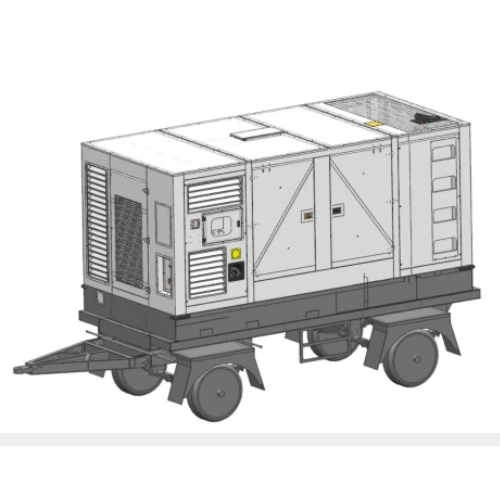
Oil-free air compressors offer several distinct advantages over oil-lubricated models, making them an excellent choice for specific industries. Here are some of the key benefits:
One of the biggest advantages of oil-free air compressors is that they do not require regular oil changes or lubrication maintenance. Traditional oil-lubricated compressors need frequent checks and oil changes to maintain optimal performance. Oil-free compressors, however, eliminate the hassle and cost of oil changes, making them more convenient to operate.
Oil-free air compressors provide clean air with no oil contamination, which is essential for industries like food processing, pharmaceuticals, and electronics. Any oil residue from an oil-lubricated compressor can negatively impact product quality, leading to contamination and potential safety hazards.
Oil-free compressors are often more energy-efficient than oil-lubricated models. This is due to the fact that they do not require the additional energy used to pump and filter oil. In the long term, the reduced need for energy consumption can translate into significant cost savings.
With the absence of oil, the internal components of oil-free compressors experience less wear and tear, leading to longer operational lifespans. The advanced materials used in these compressors are designed to withstand high pressure and continuous operation without breaking down.
Oil-free air compressors are used in a variety of industries where air quality is critical. Below are some of the most common applications:
In medical settings, such as hospitals and laboratories, clean air is a necessity. Oil-free air compressors provide reliable, oil-free air to power medical equipment like ventilators, respirators, and anesthesia machines. These compressors help maintain the integrity of sensitive medical environments by preventing contamination.
The food and beverage industry relies on oil-free compressors to maintain the hygiene and safety of production processes. These compressors are used in bottling, canning, and food processing applications where air contamination could affect product quality. Oil-free air ensures that the food remains free from harmful chemicals and residues.
In electronics manufacturing, precision is key. Oil-free compressors are ideal for processes that require clean, dry air without the risk of contamination. These compressors are used in the assembly and testing of sensitive electronic components, ensuring the reliability and performance of products.
The pharmaceutical industry demands the highest standards of cleanliness, especially in the production of medicines. Oil-free compressors are used in the production of pharmaceutical products, ensuring that the air used in the processes is contaminant-free.
When selecting an oil-free air compressor, several factors must be considered to ensure the right fit for your application. Here are the key aspects to take into account:
Factor | Consideration |
Air Quality Requirements | Determine the level of air purity needed for your application. Some industries require extremely clean, dry air, while others may need less stringent standards. |
Flow Rate and Pressure | Choose a compressor with the right flow rate (CFM) and pressure (PSI) to meet your operational needs. |
Energy Efficiency | Look for models that offer low energy consumption to reduce operational costs. |
Compressor Type | Decide between piston, diaphragm, or screw compressors depending on your application. Piston compressors are often used in smaller-scale operations, while screw compressors are more suitable for large industrial setups. |
Maintenance and Service | Even though oil-free compressors require less maintenance, choosing one with easy-to-access service points and good customer support can make a big difference in long-term reliability. |
Size and Portability: Consider whether a stationary or portable compressor would best suit your space and needs.
Noise Levels: Some oil-free compressors are designed to operate quietly, which is crucial in noise-sensitive environments.
Warranty: Ensure the compressor comes with a solid warranty to protect your investment.
While oil-free air compressors require less maintenance than their oil-lubricated counterparts, they still need regular care to ensure they continue to perform at their best. Here are some maintenance tips:
Regularly inspect the compressor for any signs of wear or damage. Check components such as filters, seals, and hoses for leaks or damage. Cleaning these parts regularly helps ensure the compressor operates smoothly.
Oil-free compressors rely heavily on filters to maintain air quality. Clean or replace the air intake filters as needed to prevent dirt and debris from entering the compressor. This will help prolong the life of the unit and ensure air quality is maintained.
Make sure the cooling system is working efficiently. Clean the air or water cooling system to prevent blockages that can cause overheating and reduced performance.
Monitor the compressor’s pressure and flow rate to ensure they remain within the manufacturer’s recommended range. If the compressor is not delivering the required pressure or flow, it may need servicing or adjustments.
In conclusion, oil-free air compressors offer a reliable and efficient solution for industries that require clean, dry air, free from oil contamination. With benefits such as reduced maintenance costs, energy efficiency, and enhanced reliability, these compressors are the preferred choice in sectors like healthcare, food processing, and electronics manufacturing. By understanding the principles of oil-free air compression and considering key factors like air quality, flow rate, and compressor type, businesses can make informed decisions that drive productivity and ensure safety.
At Xiamen GTL Power System Co., Ltd., we specialize in providing high-quality oil-free air compressors tailored to meet the specific needs of various industries. Our team is ready to help you choose the right solution to optimize your operations. Feel free to reach out to us for expert advice and support in making the best choice for your business.
What is the main benefit of using an oil-free air compressor?
The main benefit is the ability to produce clean, oil-free air, which is crucial for industries where air contamination could affect product quality and safety.
How long do oil-free air compressors last?
Oil-free compressors are designed for long-term use, with proper maintenance extending their lifespan significantly. Most models can last many years with regular care.
Can oil-free air compressors handle high-pressure applications?
Yes, many oil-free air compressors are designed to handle high-pressure applications. However, it’s important to select a model that meets the specific pressure and flow rate requirements.
Are oil-free air compressors more energy-efficient than oil-lubricated compressors?
Yes, oil-free air compressors are generally more energy-efficient because they eliminate the need for oil cooling, which reduces energy consumption and operational costs.
What types of industries benefit most from oil-free air compressors?
Industries such as healthcare, pharmaceuticals, food and beverage, and electronics manufacturing benefit most from oil-free air compressors due to the need for clean, uncontaminated air.


