

Views: 0 Author: Site Editor Publish Time: 2026-10-01 Origin: Site


Transitioning to or replacing a generator for refrigerated transport goes far beyond checking a regulatory box. It directly impacts your payload capacity, daily maintenance schedules, and overall operational budget. Procurement teams must balance strict EPA standards and CARB rules against absolute cold-chain reliability. Choosing the wrong unit often leads to forced downtime from active regeneration failures on the road. Worse, it exposes you to unexpected compliance fines across restricted emission zones. Every minute of lost cooling threatens sensitive cargo and damages vendor trust. We want to help you avoid these costly operational pitfalls from the start. This guide provides fleet managers and procurement directors a zero-fluff, evidence-based evaluation framework. You will learn exactly how to shortlist and procure the ideal hardware for your fleet without compromising on efficiency.
Regulatory bodies rigidly enforce emissions for transport refrigeration across North America. Federal EPA standards and California’s CARB TRU regulations demand strict adherence. However, adding compliance hardware introduces complex engine mechanics. You must understand how these regulations alter baseline operations.
Horsepower heavily dictates emission requirements. Most reefer gensets fall into the 25-50 HP category. Because of this, they usually achieve compliance without needing Diesel Exhaust Fluid (DEF). Instead, they rely on a Diesel Oxidation Catalyst (DOC) or a Diesel Particulate Filter (DPF). Choosing a Tier 4F reefer generator in this bracket simplifies fluid management for drivers. Drivers avoid hauling bulky DEF jugs, reducing payload weight slightly.
If you operate in California, you face stricter local rules. You must verify if your chosen unit achieves Ultra-Low Emission Transport Refrigeration Unit (ULETRU) standards natively. Some systems require expensive add-on filtration to operate legally out west. Fleets failing to meet CARB standards face severe fines at highway weigh stations. You cannot afford to deploy non-compliant units in restricted zones.
Always inspect the emissions plate before finalizing procurement. The manufacturer must provide clear EPA family data. Accessible certification documents make fleet audits seamless. Keep digital copies of these compliance plates on file. Transparency prevents regulatory grounding during unexpected DOT inspections.
| Horsepower Range | Common Emission Standard | Typical Aftertreatment Technology | DEF Required? |
|---|---|---|---|
| Under 25 HP | Tier 4 Final | Mechanical Fuel Injection / No Aftertreatment | No |
| 25 to 50 HP | Tier 4 Final | DOC or DPF Integration | No |
| Over 50 HP | Tier 4 Final | SCR + DPF + DOC | Yes |
How your engine manages soot and NOx directly shapes your maintenance calendar. The wrong aftertreatment strategy requires constant driver intervention. You must evaluate these mechanics closely.
First, compare DOC and DPF systems. DOC-only systems generally require less maintenance. They oxidize pollutants continuously during normal operation. A DOC operates effectively without complex sensors. Conversely, DPF systems physically trap soot and require periodic regeneration.
If the manufacturer uses a DPF, verify their active versus passive regeneration cycles. Passive regeneration happens seamlessly at high highway temperatures. Active regeneration forces fuel dosing to burn off soot. This process burns extra diesel and creates extreme exhaust heat.
Best Practice: Match your aftertreatment to your route type. Long-haul routes generate enough heat for passive DPF regeneration. Stop-and-go city delivery routes often cause DPF clogging, making a DOC-only system vastly superior.
Cold-start performance separates reliable units from liabilities. Modern lean-burn engines sometimes struggle in extreme cold. Assess the cold-cranking amps (CCA). Look for robust pre-heating features like intake air heaters or block warmers. Guarantee reliable starts in sub-zero ambient temperatures. If your fleet runs through North Dakota winters, weak starting systems ruin cold-chain integrity.
Alternator capacity protects your cargo. Modern reefer compressors utilize highly sensitive electronics. Verify the unit provides clean, stable power. A standard 460V/230V dual-voltage alternator prevents electrical spikes. Clean sine waves prevent premature compressor failure.
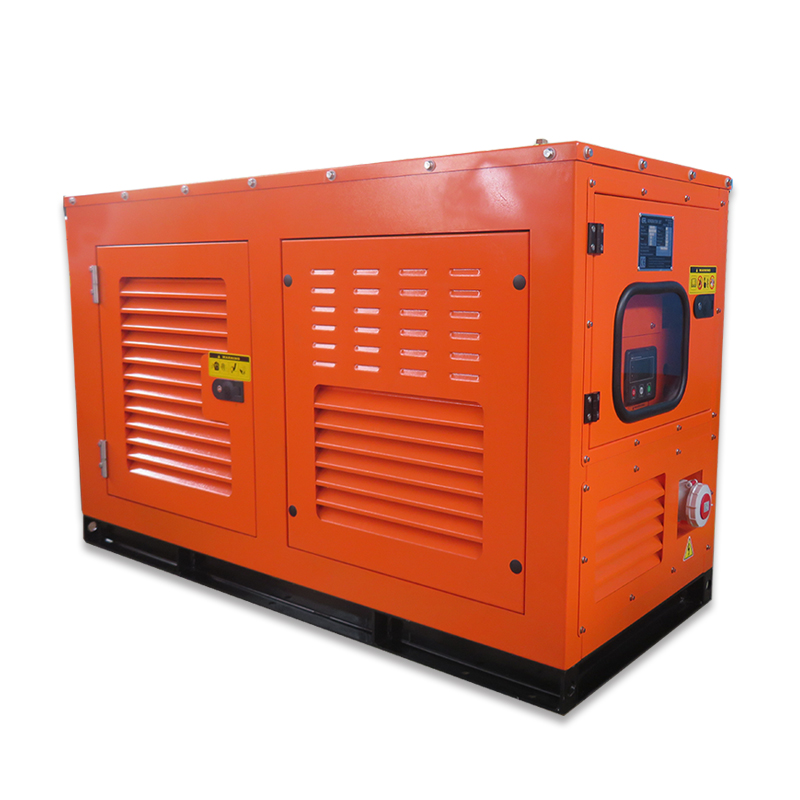
Packaging and structural integration directly influence aerodynamics and weight distribution. They also determine how easily technicians can perform routine service. You must choose a mounting style that complements your trailer fleet.
When evaluating a side-mount reefer generator, measure ground clearance carefully. Low-hanging units suffer impact damage at steep loading docks. Uneven yard terrain also poses a scraping risk. You need sufficient clearance to navigate steep railroad crossings without tearing the unit off the chassis.
Serviceability dictates your long-term labor costs. Evaluate the enclosure doors. Technicians should easily reach the oil filter, fuel filter, and drive belts. They should never need to dismount the unit for basic preventative care. A side-mounted unit allows mechanics to work standing up. This ergonomic advantage speeds up preventative maintenance schedules drastically.
Expect a distinct weight penalty. These compliant engines carry heavier aftertreatment components. Check the exact wet weight before installation. Understand how a side-mount configuration shifts the trailer’s center of gravity. You must avoid exceeding legal payload limits on specific axles. Imbalanced weight distribution causes uneven tire wear over time.
Review the vibration isolation hardware. Heavy-duty shock mounts protect the engine block from harsh road harmonics. Poor isolation leads to cracked mounting brackets. It also causes premature structural failure across the generator canopy. Strong rubber isolators absorb these impacts effectively.
Fuel burn represents your largest ongoing operational expense. Optimizing tank integration drastically improves route efficiency. Minor efficiency gains compound over millions of fleet miles.
Demand verifiable fuel consumption data. Ask the manufacturer for burn rates at 50% load and 100% load. Never accept blended averages. A highly efficient Tier 4F reefer generator should sip fuel during temperature-holding phases. High fuel efficiency reduces your fleet's carbon footprint while protecting profit margins.
Balance tank capacity against required autonomy. Compare standard 50-gallon tanks against 75-gallon upgrades. Larger tanks increase wet weight but reduce necessary fueling stops.
Follow this simple numbered list to validate fuel integration:
Finally, inspect the unit for robust spill containment. Look for double-wall construction around the fuel cell. Integrated spill catchers prevent environmental contamination. Fuel spills at customer docks create massive liability issues. Environmental fines for diesel ground contamination scale rapidly. Secure, well-designed filler necks mitigate these risks entirely.
Post-purchase support acts as your primary risk mitigation tool. Complex electronic engines demand sophisticated oversight. You cannot manage what you cannot measure.
Native telematics are crucial for modern logistics. Your unit must offer continuous remote monitoring. Fleet managers need real-time data on fuel levels and battery health. Telematics also predict upcoming DPF regeneration requirements. This visibility prevents forced thermal events on the highway. Catching a low-voltage warning remotely allows you to reroute the truck to a service center before the compressor loses power.
Scrutinize the warranty fine print meticulously. Many vendors offer attractive top-line numbers with buried exclusions.
Review these critical warranty elements before signing any procurement contract:
A robust warranty means nothing without localized support. Ensure the nearest authorized technician operates within a reasonable radius of your primary lanes. Evaluate the vendor's national service density. High parts availability prevents units from sitting idle for weeks. Ask the manufacturer about their average parts fulfillment timeframe. If a proprietary sensor fails, you need a replacement overnight, not next month.
Selecting a reliable compliant generator requires looking past the basic emission sticker. You must holistically evaluate aftertreatment reliability, physical mounting constraints, and lifetime support networks.
Prioritize vendors offering transparent fuel consumption data. Accessible side-mount designs often reduce maintenance labor significantly. Insist on robust telematics to protect your cold chain proactively. Evaluating these core metrics ensures your fleet remains profitable and compliant across all jurisdictions.
Next Steps for Procurement Teams:
A: Typically, no. Most reefer gensets fall into the sub-50 HP category. This allows them to meet strict Tier 4 Final standards using advanced fuel injection, DOC, or DPF technologies. They achieve full compliance without needing complex Diesel Exhaust Fluid (DEF) systems, saving payload weight and simplifying driver workflows.
A: Commercial units operate reliably for 10,000 to 15,000 hours before needing a major overhaul. This lifespan requires strict adherence to preventative maintenance schedules. Proper aftertreatment care, timely oil changes, and regular fuel filter replacements ensure maximum longevity and continuous compliance.
A: Aftermarket DPF retrofits exist to meet specific local mandates like older CARB rules. However, they do not legally reclassify a Tier 2 or Tier 3 engine as Tier 4F. Upgrading the entire genset proves much more reliable and cost-effective over the long term.
A: Side-mount units offer easy, eye-level access for routine maintenance and fueling. Technicians avoid crawling under the chassis to change filters or inspect drive belts. However, you must carefully consider ground clearance limits and continuously monitor the trailer's lateral weight distribution to avoid uneven tire wear.


